The Devil You Didn’t Know
August 19, 2026
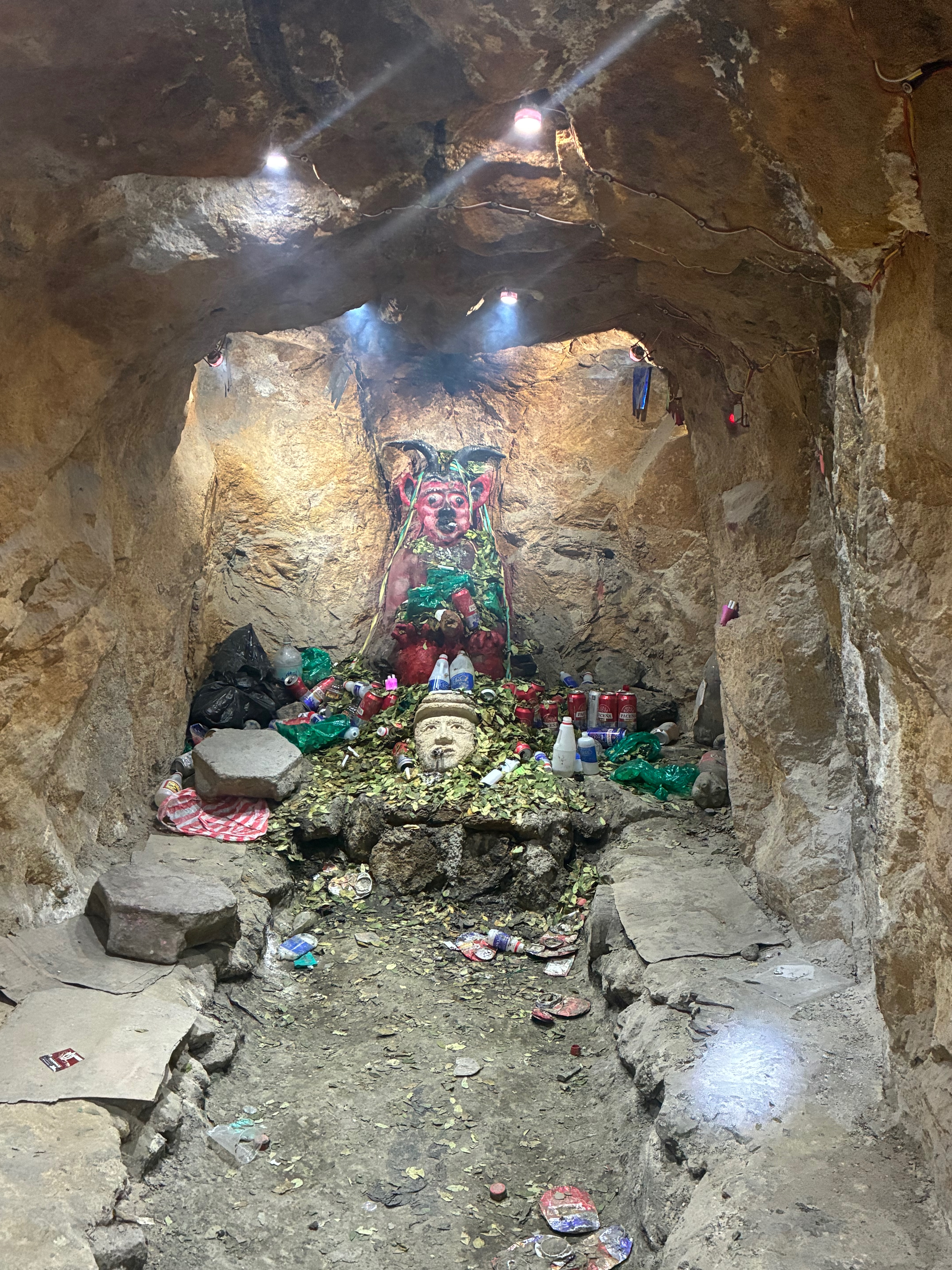
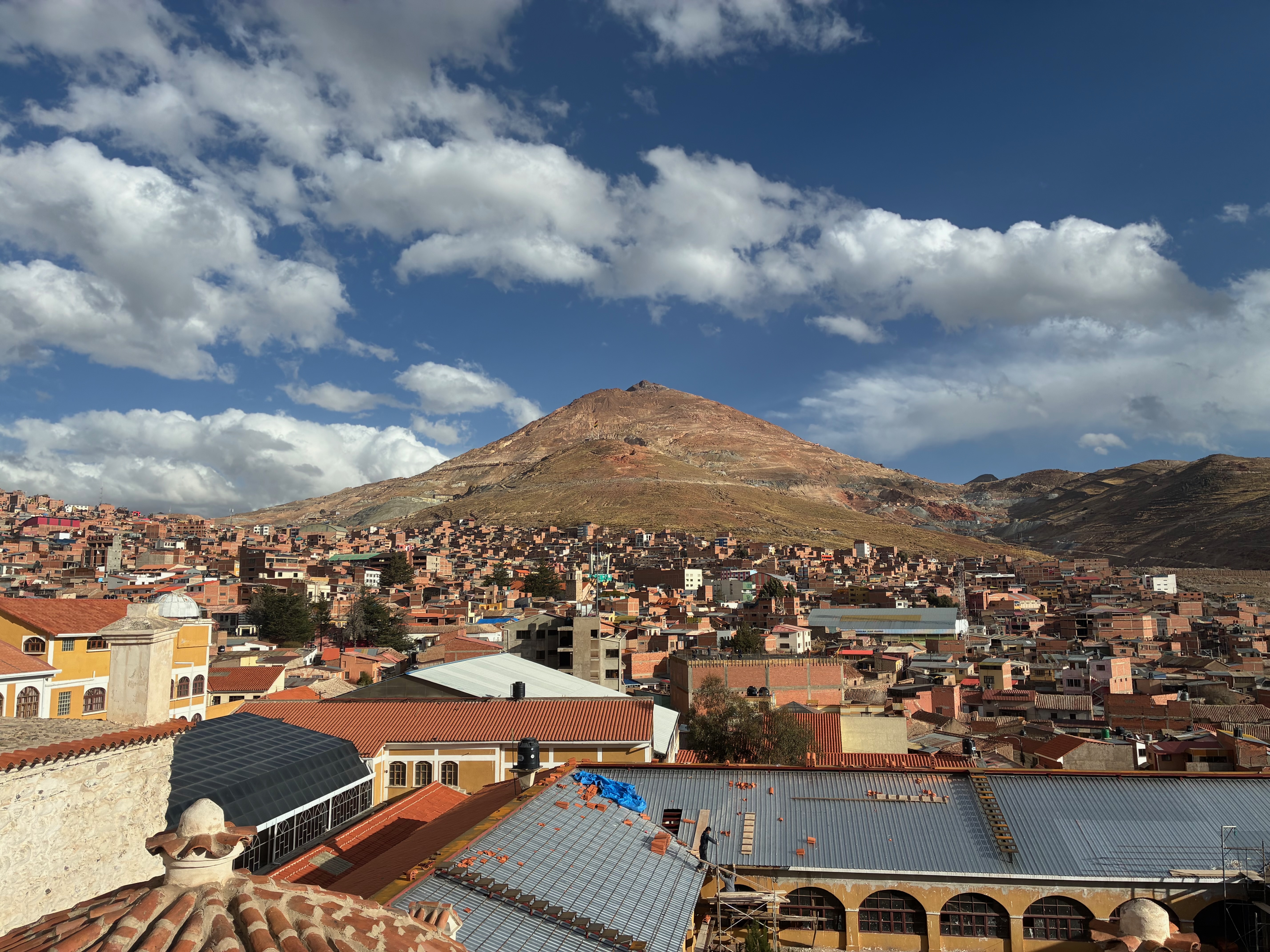
I met the Devil in Bolivia. He’s easy to spot—a 4-foot tall, seated, completely scarlet creature with surprised-looking bulging eyes, puffy cheeks, and large black horns. Oh, and did I mention the enormous phallus emerging from his groin like a massive drilling machine, the red paint worn out in places to reveal the same rocks and clay we stood on, deep in the world’s richest silver mine. An solitary mountain pockmarked by a labyrinth of over 200 entrances, with a name now forgotten by most of the world outside of the Altiplano: Cerro Rico.
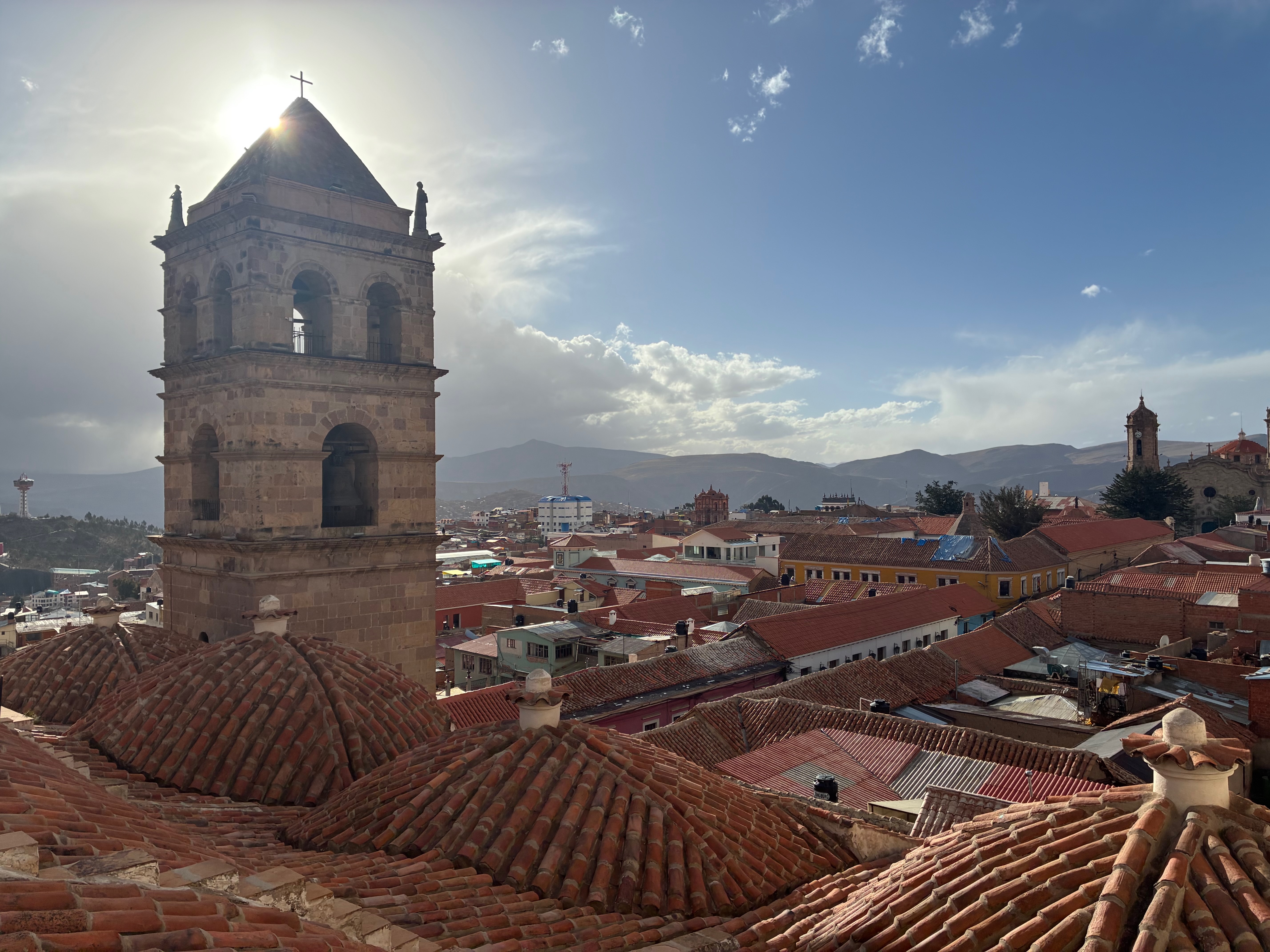
After returning from Lake Titicaca, Michal and I took a night bus from La Paz down to Potosi. Or should I say up, from 3,650m to 4,070m, higher than most of Colorado’s Rocky Mountain peaks. La Paz sits in a valley just outside the northern edge of the Bolivian Altiplano, the second largest high plateau on earth, following Tibet. Flat, dry land, dotted by sparse mountains, too many active volcanoes, and that ever-present cold, hypoxic air where every breath feels incomplete.
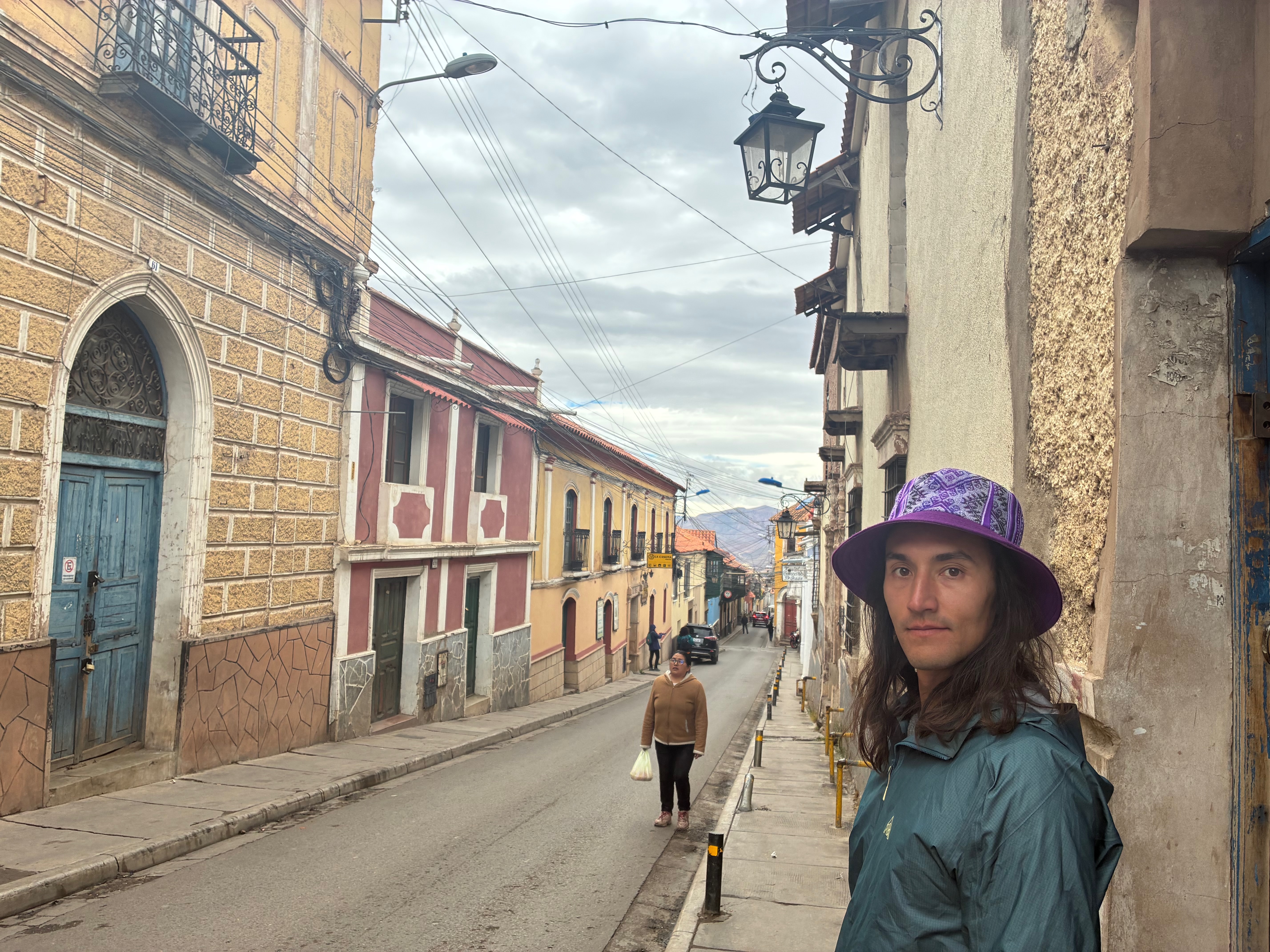
The bus was comfortable enough, with its 160 degree reclining leather seats like on a first-class airplane, but I still barely slept. Our minds in a daze and our lungs already short on air, we awoke into the cold reality of Potosi. As I haggled with a taxi driver for what I thought was a fair price, he pointed at that no one would take us at the price I asked, as the way from the bus terminal south to the town plaza near our accommodations was all uphill. And there is a nationwide fuel shortage, especially affecting rural areas. But we would be hard-pressed to believe that, as we wove through the tiny town’s tinier sidewalks: pedestrians here are relegated to the edges of the colonial city’s narrow street design now clogged with cars and buses it was never meant to handle. Modern metallic boxes, all idling visible clouds of exhaust, poisoning the little oxygen available to share among the 200,000 town residents, 30,000 of whom are miners. The town as it turns out, is situated not next to, but on the mountain and covered in a thin layer of snow that had fallen the night before our arrival.
It was a day like any other, 13 million years ago, as the Nazca Plate subducted under the South American Plate, slowly raising the Andes mountains and flat the Altiplano behind it. Volcanoes formed, many of which are still active today. But like an unpopped pimple, one volcanic dome refused to release its underworld contents. Instead, its magma cooled deep within the dome, slowly releasing vast quantities of dissolved silver, zinc, tin, mercury, antimony, lead, and many other metals, within its pyramidal walls, Cerro Rico was born.
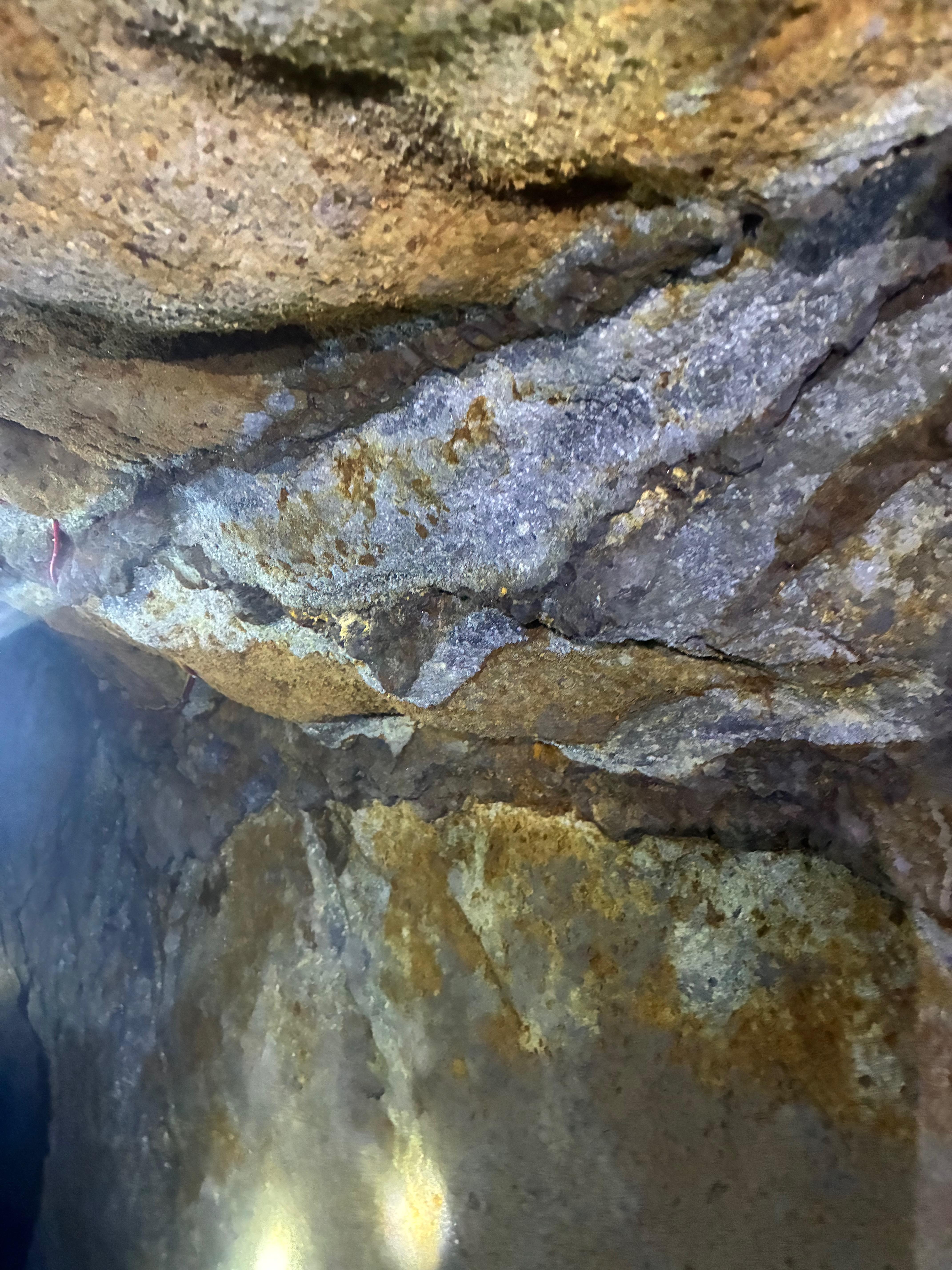
The mountain remained virtually uninhabited and largely left alone by the various Amerindian peoples of the altiplano, the silver veins frozen for centuries. The Inca empire was aware of the 'mountain made of silver’, but mined more easily accessible silver elsewhere and used it primarily for ceremonial purposes, as opposed to bullion. Their measures of economic value lay primarily in tejidos, or the various woven tapestries, sometimes used as burial shrouds and taking up to 20 years to make. The silver would sleep until the next empire.
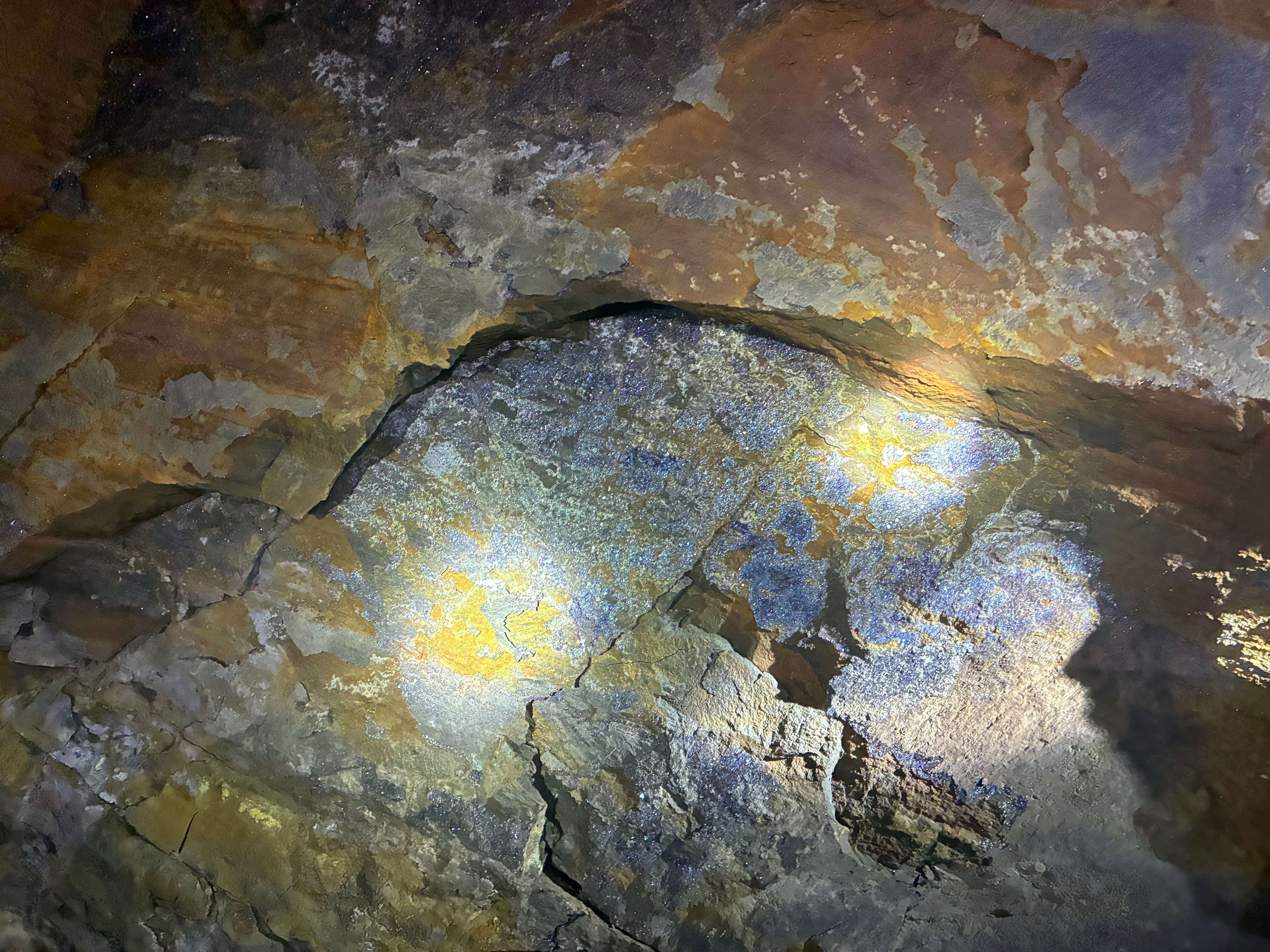
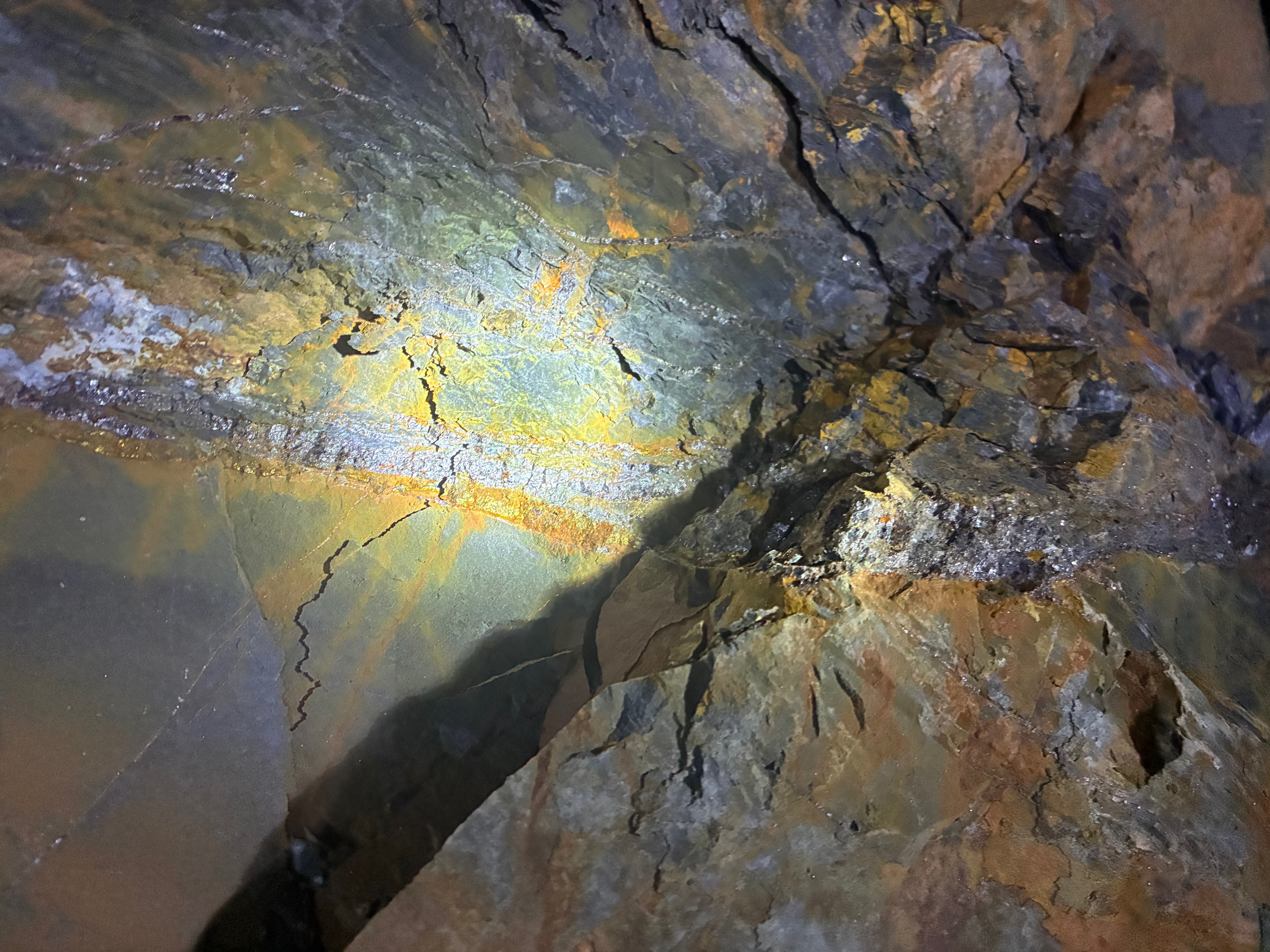 The story really takes off in 1545, when a Quechua man working under the repartimiento system of forced labor named Diego Huallpa found silver deposits on the surface of the mountain. The news spread quickly, and within the same year the mine was founded. A small town was established to house the miners and their owners. By the turn of the 17th century, Potosi would swell to become the second-largest city in the Western world, after London. Most of its population was composed of slaves. Cerro Rico dominated the world’s silver supply for roughly two centuries, supplying up to 80% of global production in its peak years.
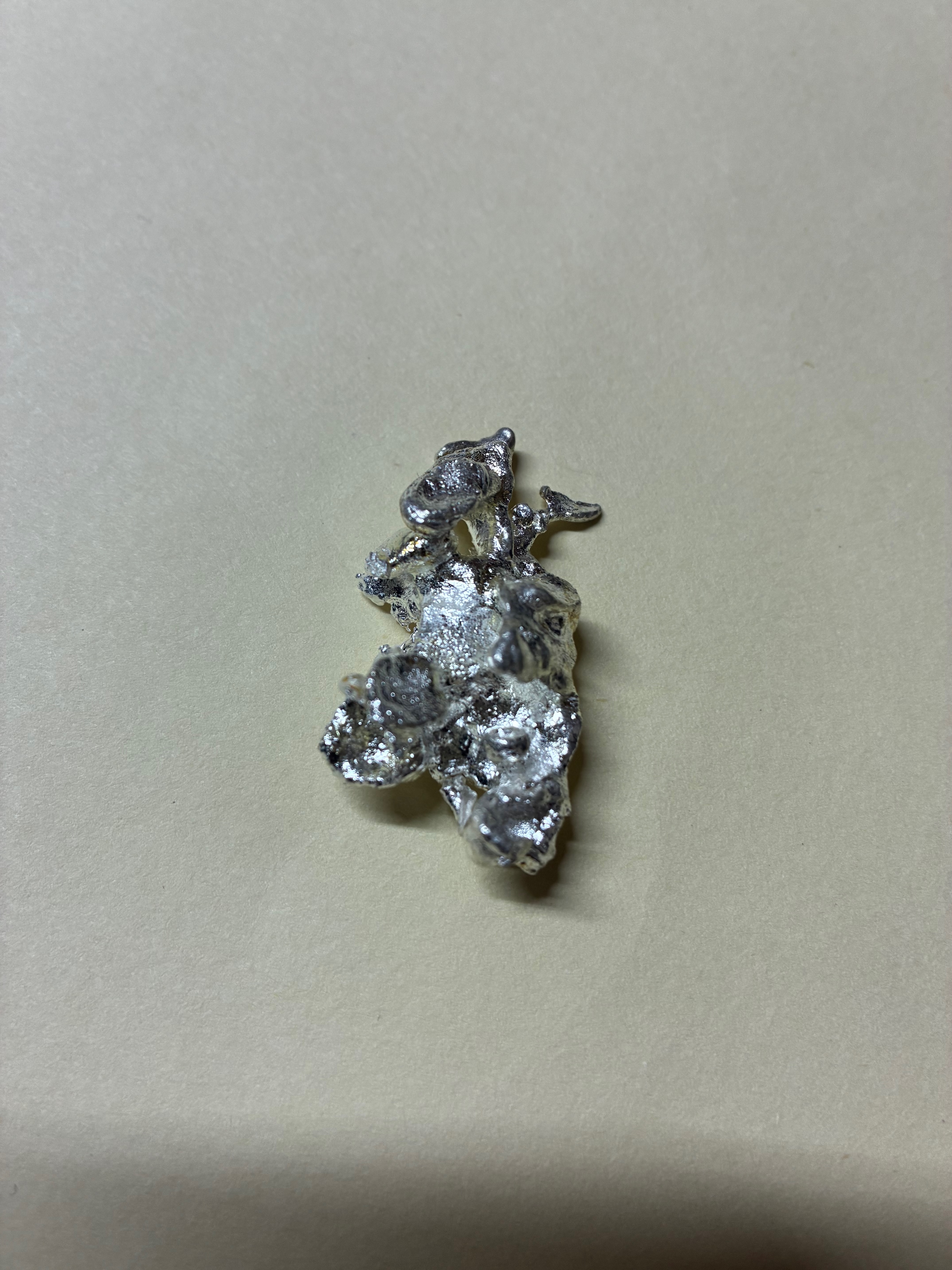
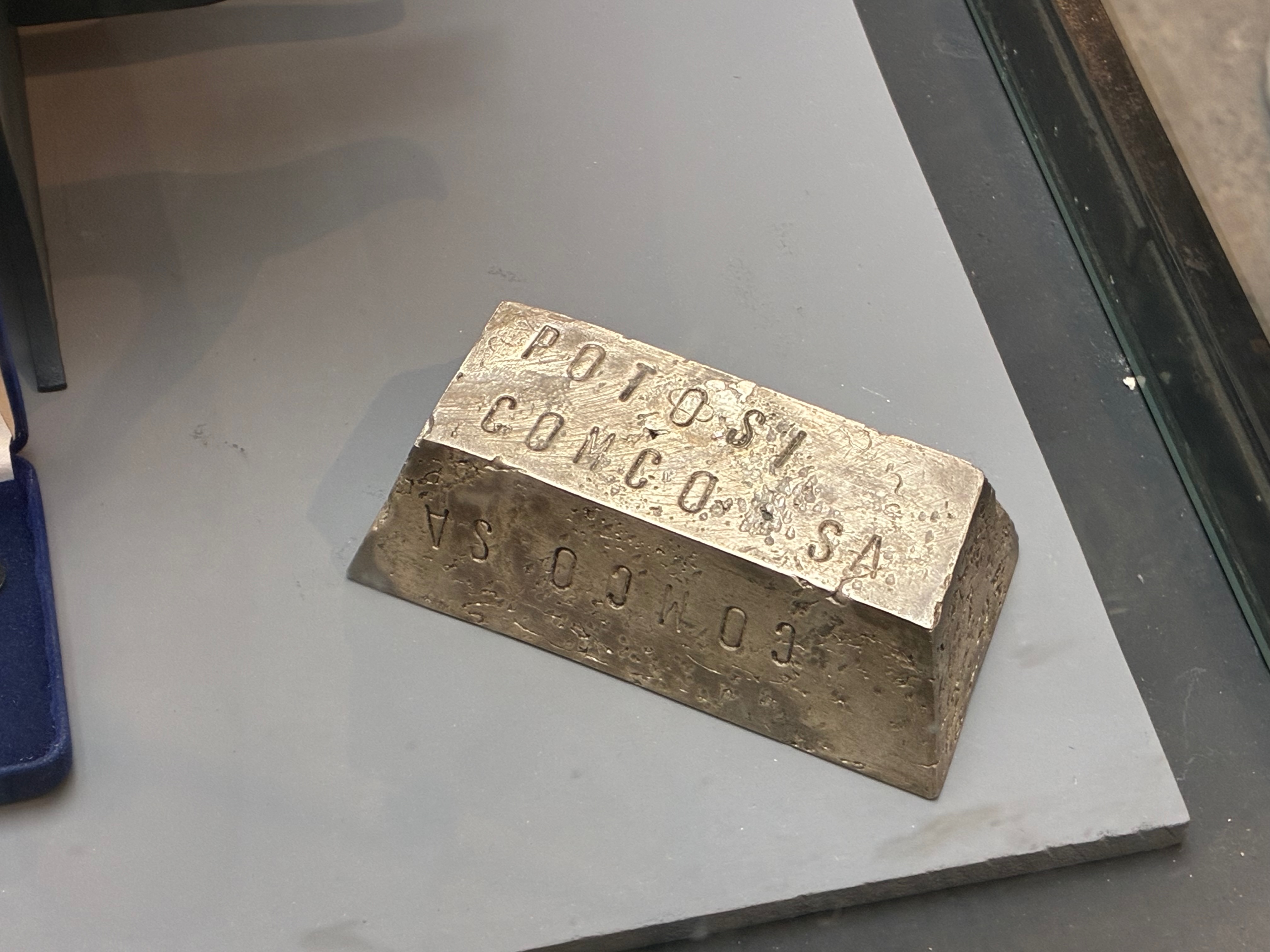
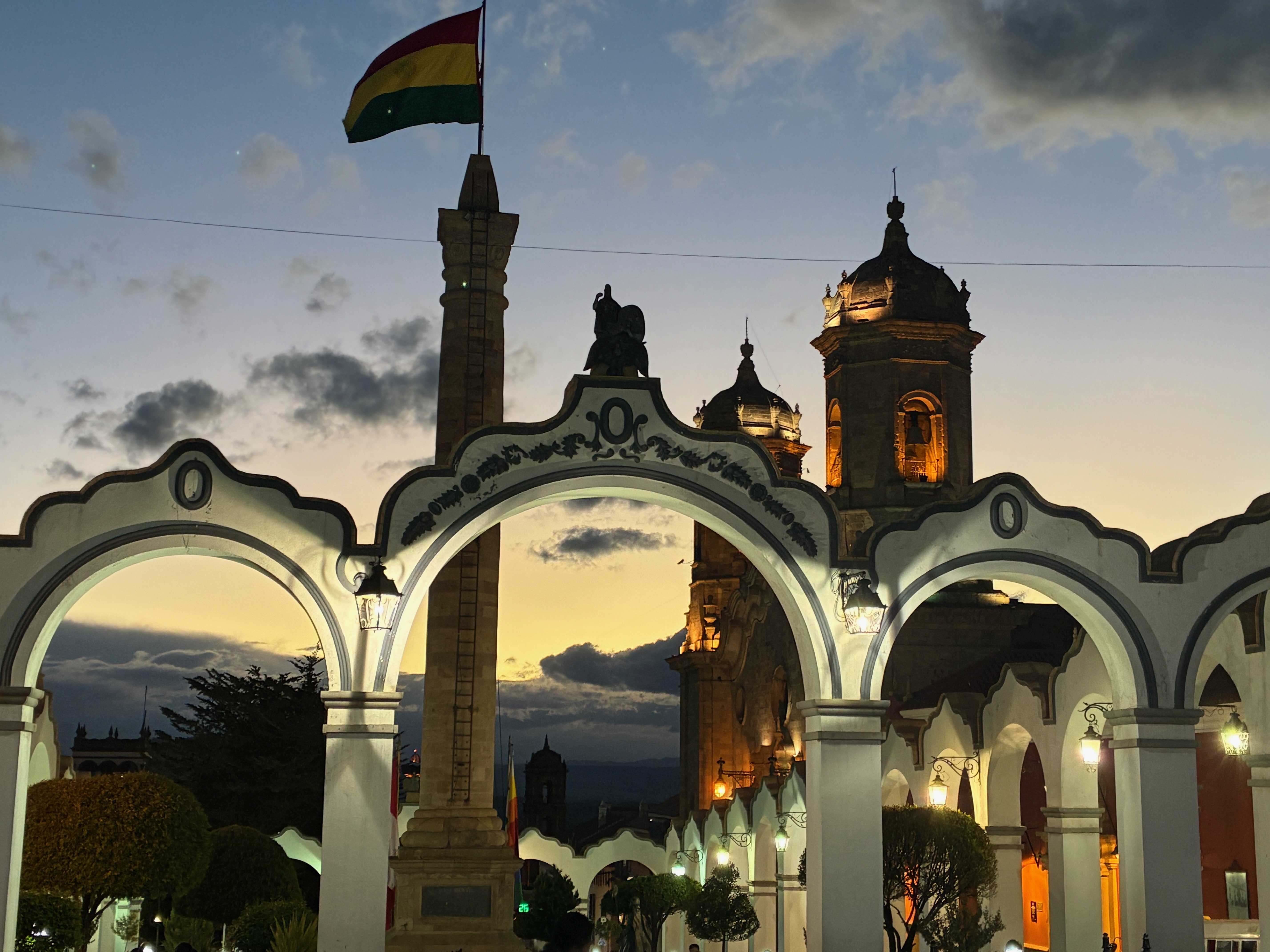
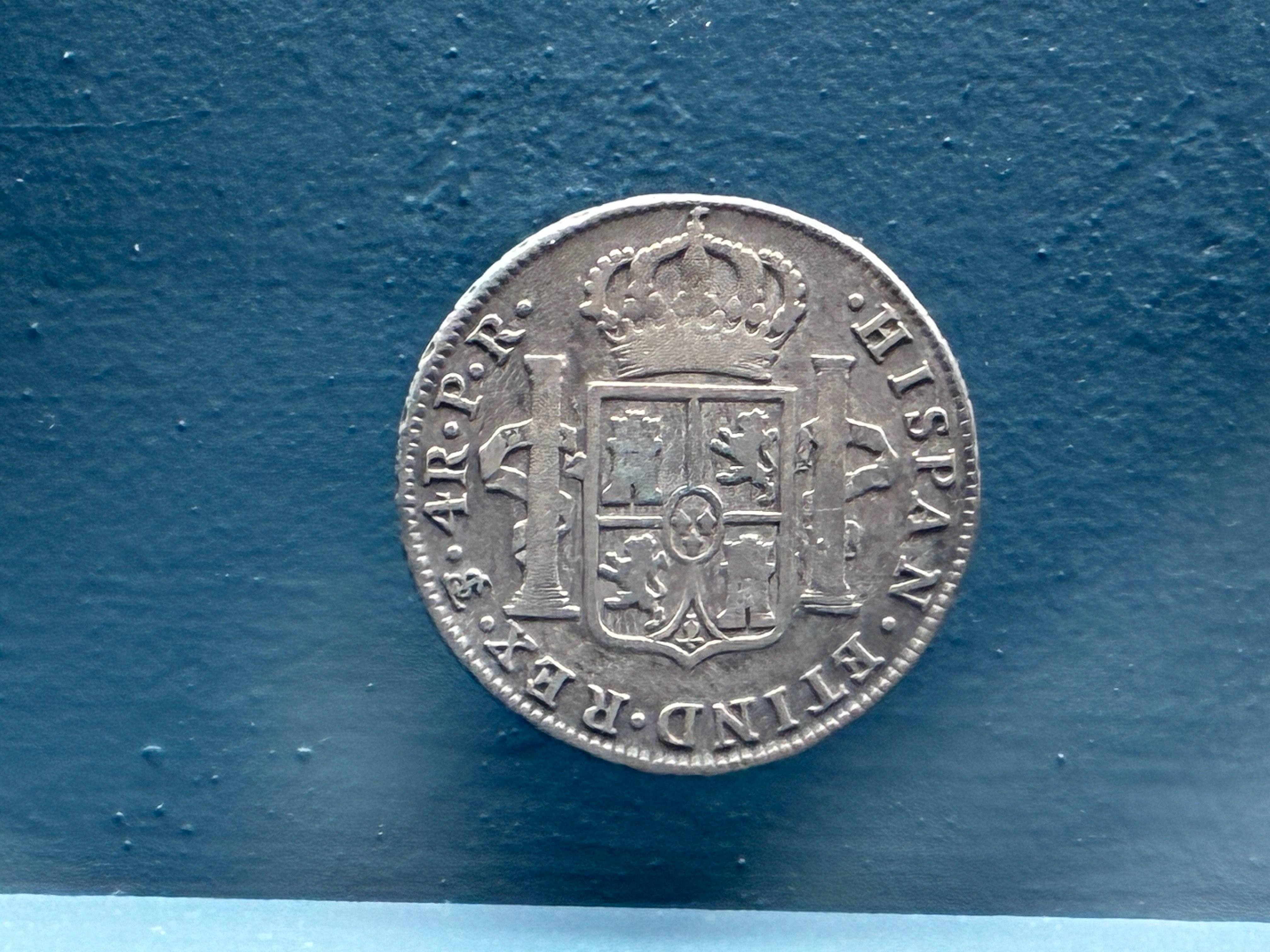
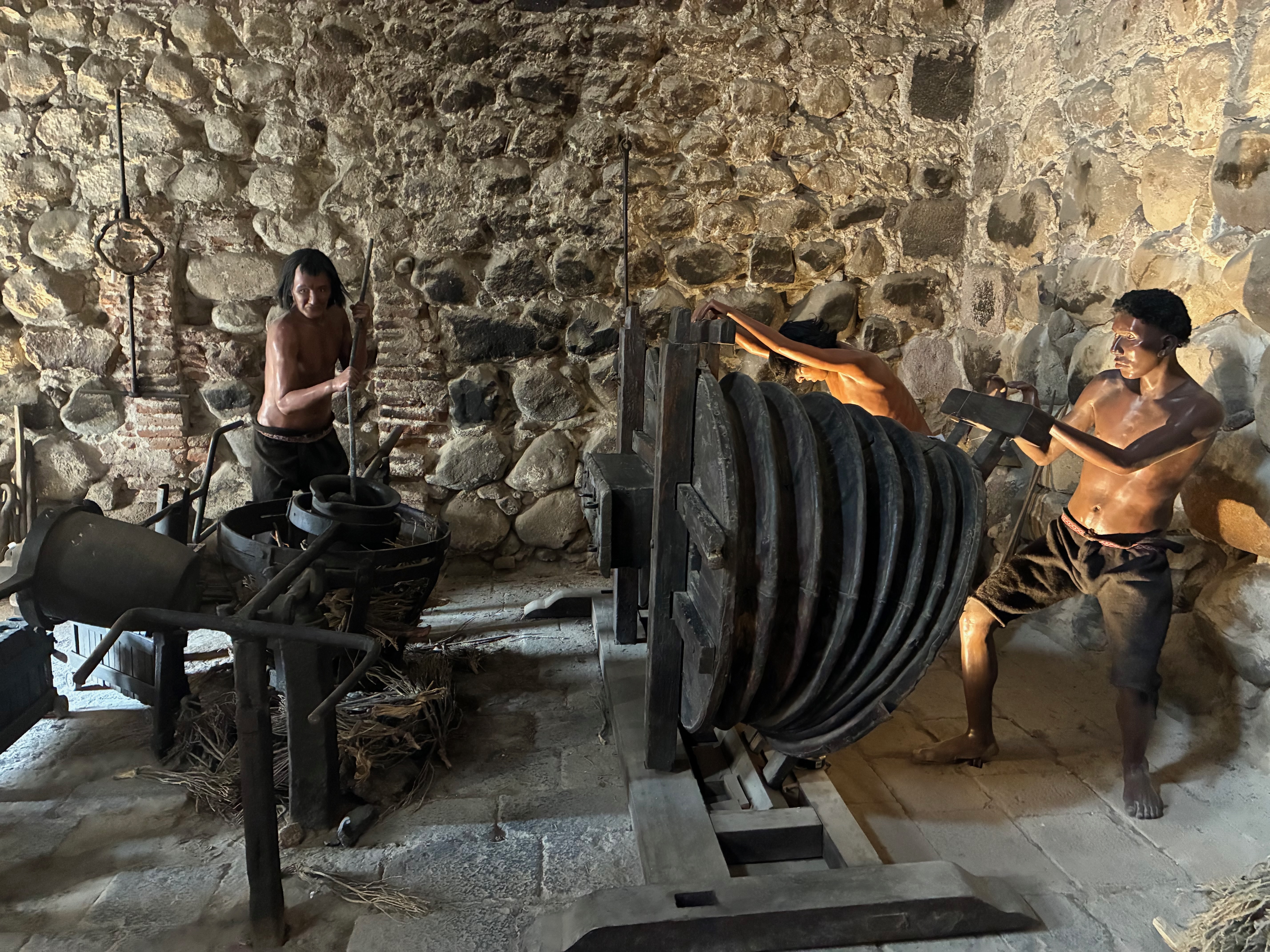
Today, it only has a fraction of its peak population. And almost all of them eat breakfast at home, making it quite difficult to find anything to eat besides coffee and croissants before 10am. Tourism is present, but largely centered around short trips into the mine. After a light breakfast in a cafe made of salt bricks harvested from the nearby Salar de Uyuni, we made our first stop at the Casa de Moneda, or royal mint, established in 1572 when this territory was still the Viceroyalty of Peru. It was the mint not only of this viceroyalty, but of the entire Spanish Empire and its continents of colonies.
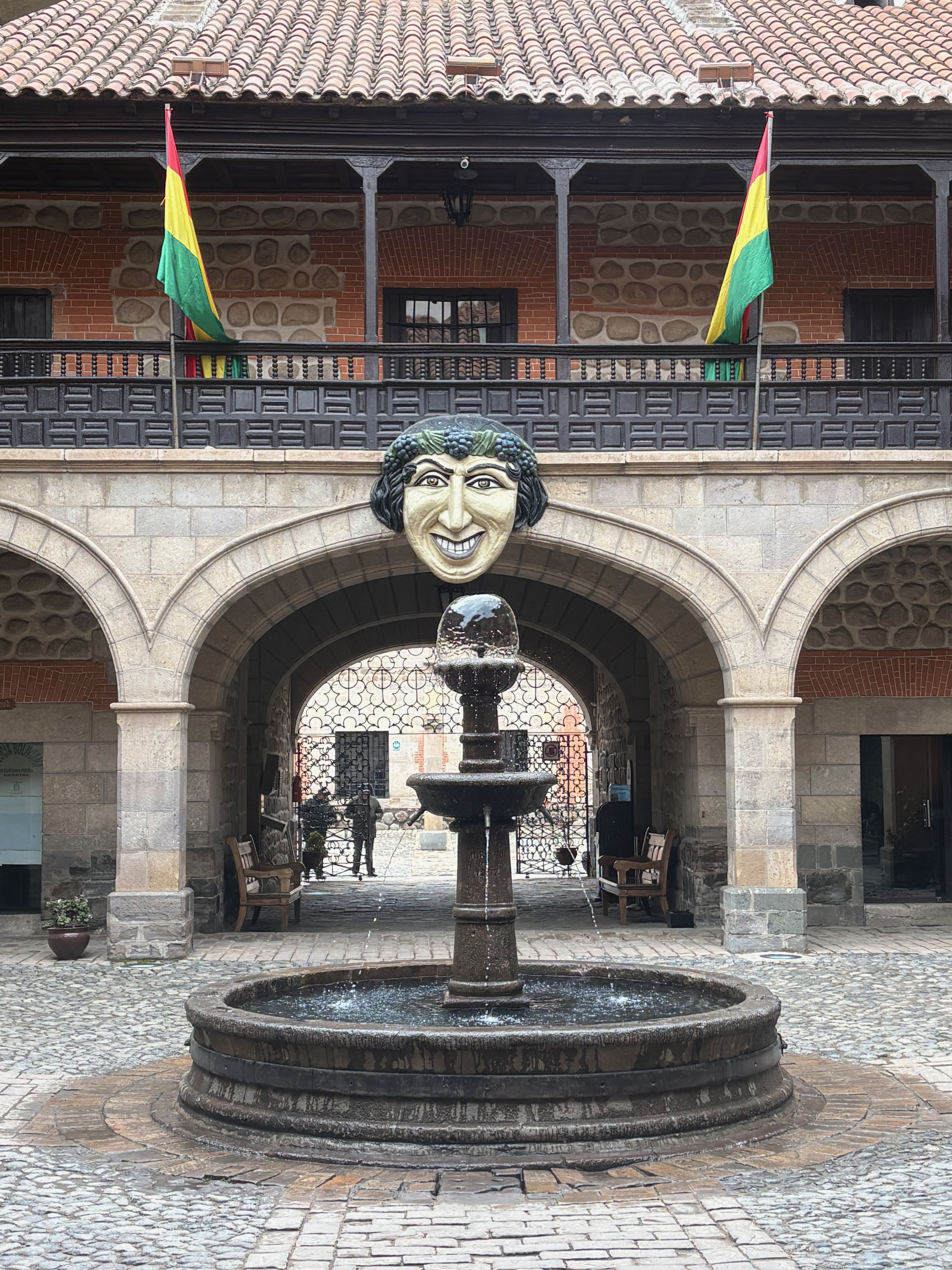
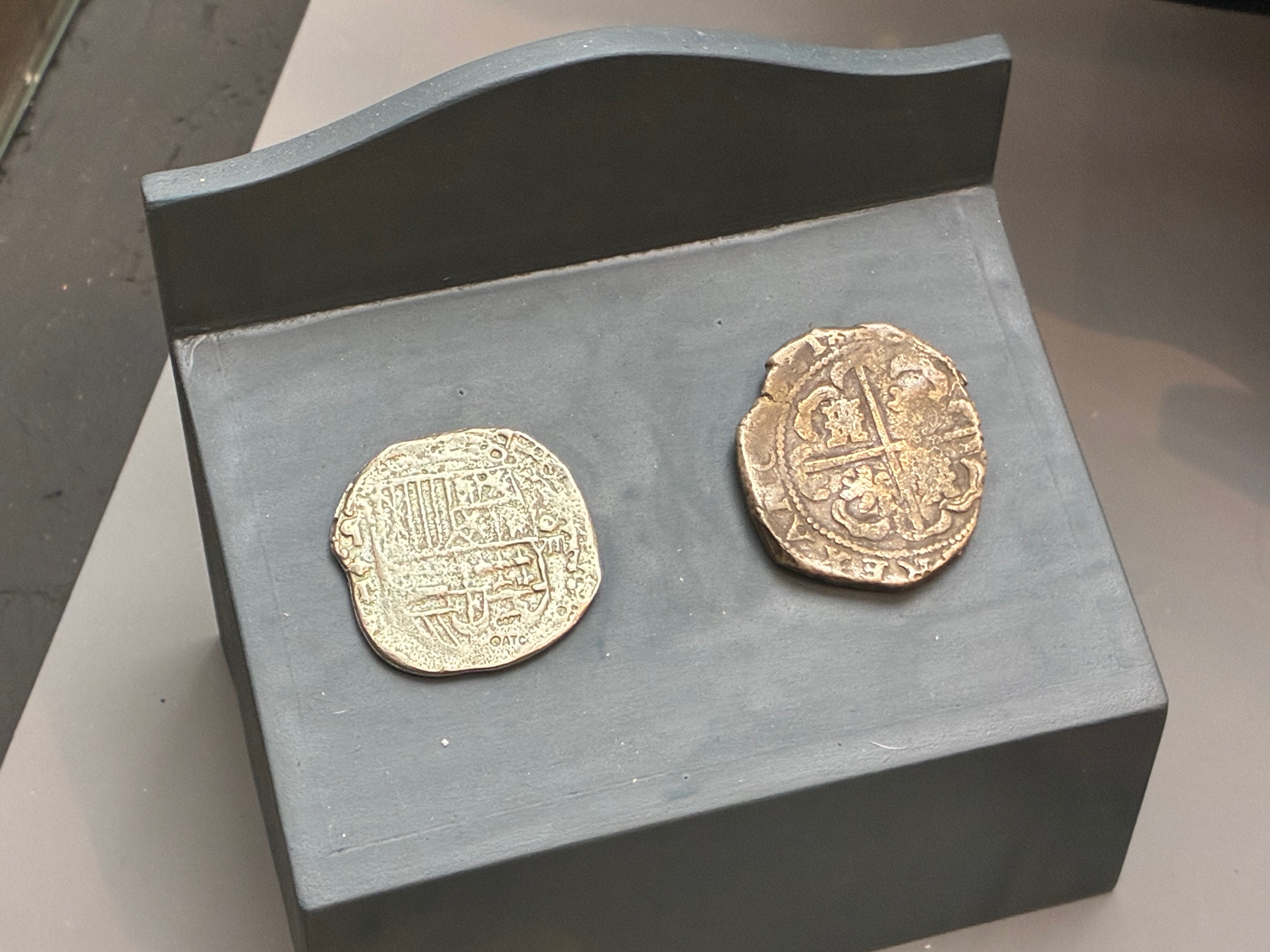 The smaller coins minted in Potosi were called the Real (Royal). They spread across the Spanish empire, then the world’s largest, flowing across the colonies, into Europe, Africa, and eventually India and China, becoming first truly global currency. They each weighed about 3.195g of silver. Eight Reales, and you have the larger 25.56g ‘Peso de a ocho’, which means ‘Weight of eight’. Peso corrupted into Pieces of Eight in English. The term peso was eventually replaced with Dolar. The United States used Spanish coins in its own colonial economy and well after the American Revolution until its mint could reach adequate production. The first Silver Dollar was directly modeled from the Piece of Eight, reducing the weight slightly to 24.06g. The symbol for Peso simply involved removing the vowels to create ‘PS’, and this eventually evolved into the ‘$’ we are all familiar with today as the world’s Global Reserve Currency.
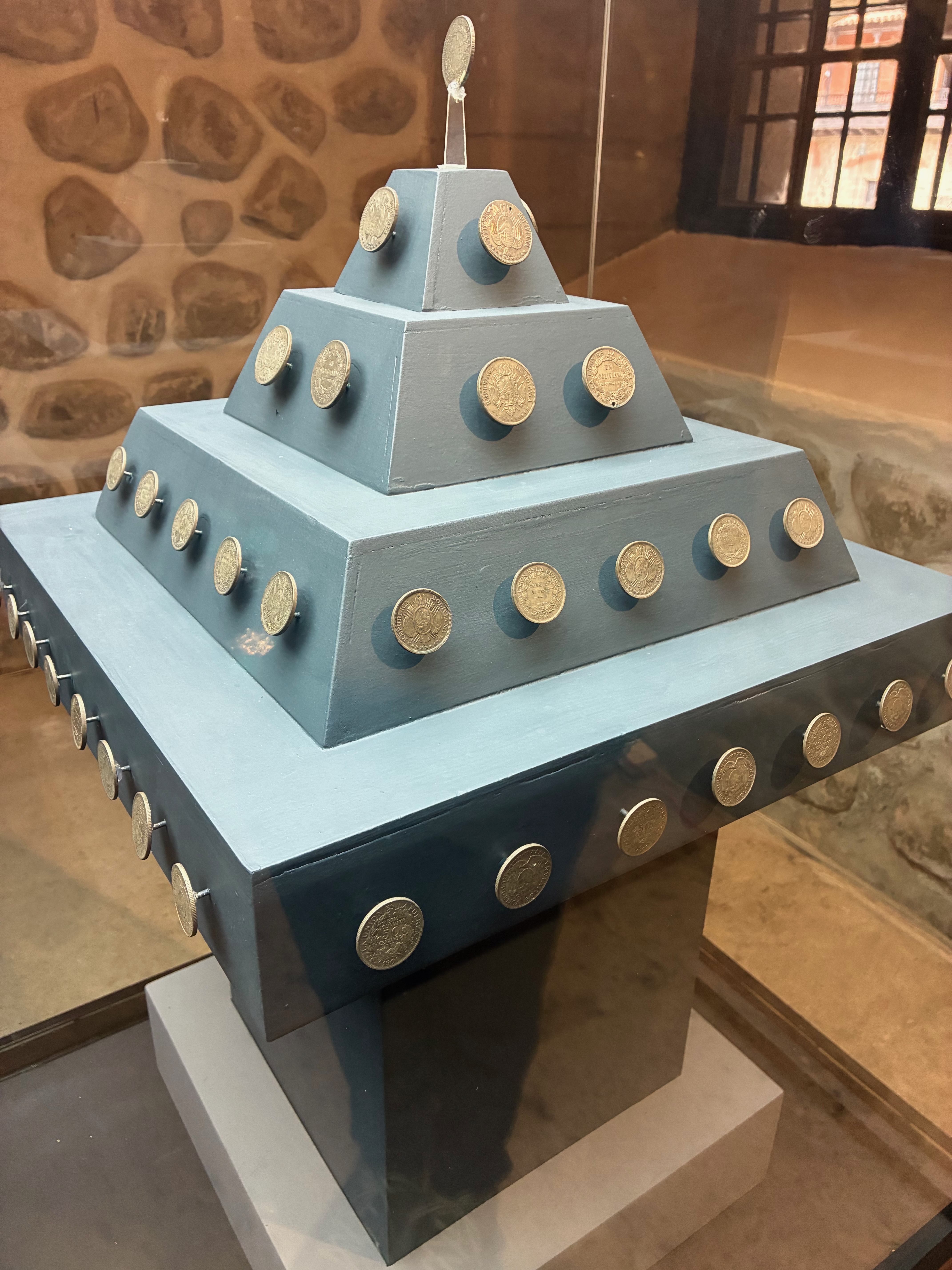
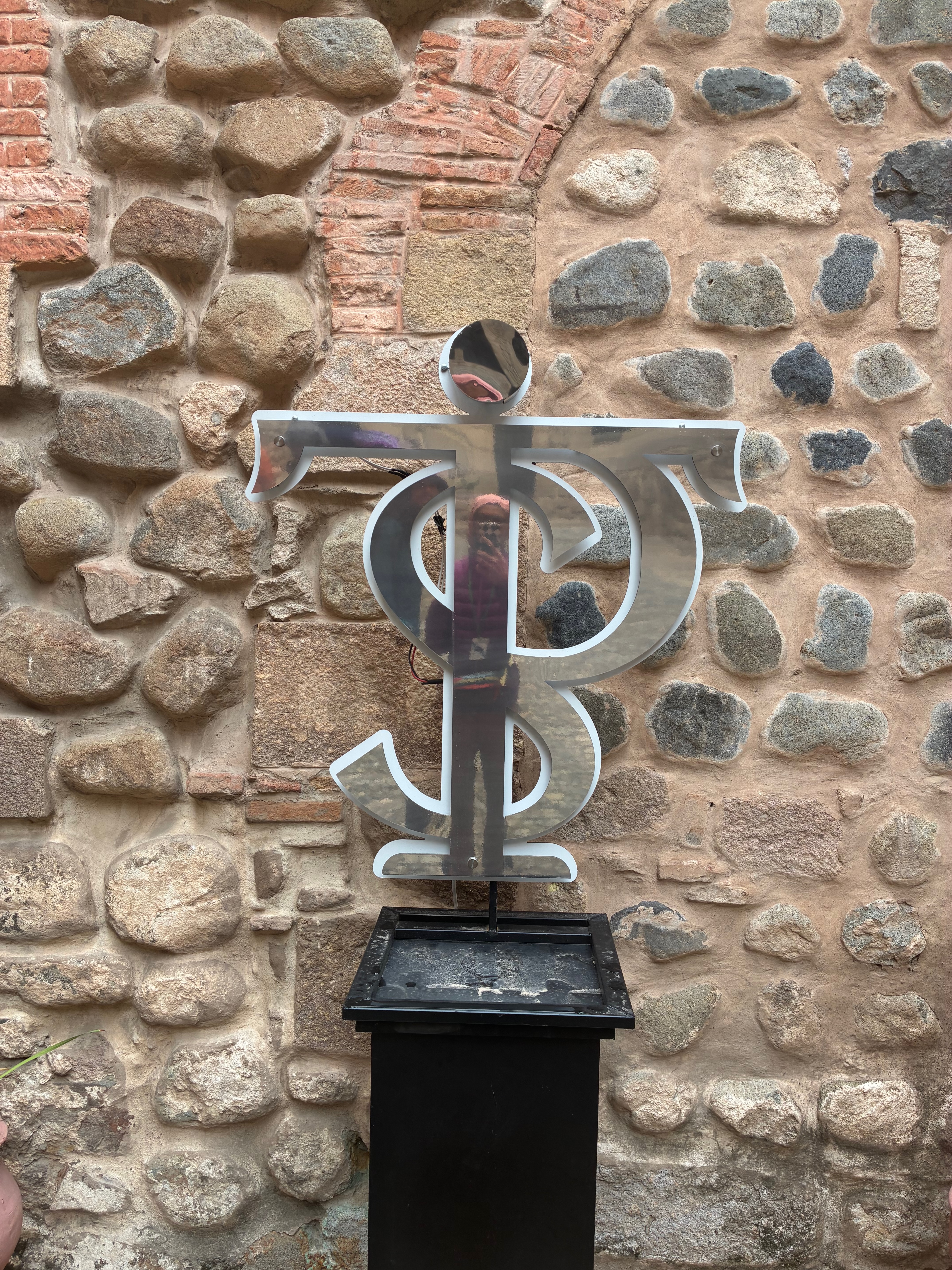
Today, almost all exchanges between countries are done in U.S. Dollars. Central Banks and citizens the world over buy dollars to hedge against inflation in their own currencies, even in countries the U.S. is currently sanctioning or at war with. Remember that fuel shortage? It’s largely due to a lack of U.S. dollars; Bolivia can use nothing else to purchase and import over 90% of its fuel from its neighbors. This crisis is getting worse, with people waiting in queues for days to only partially fill their tanks.
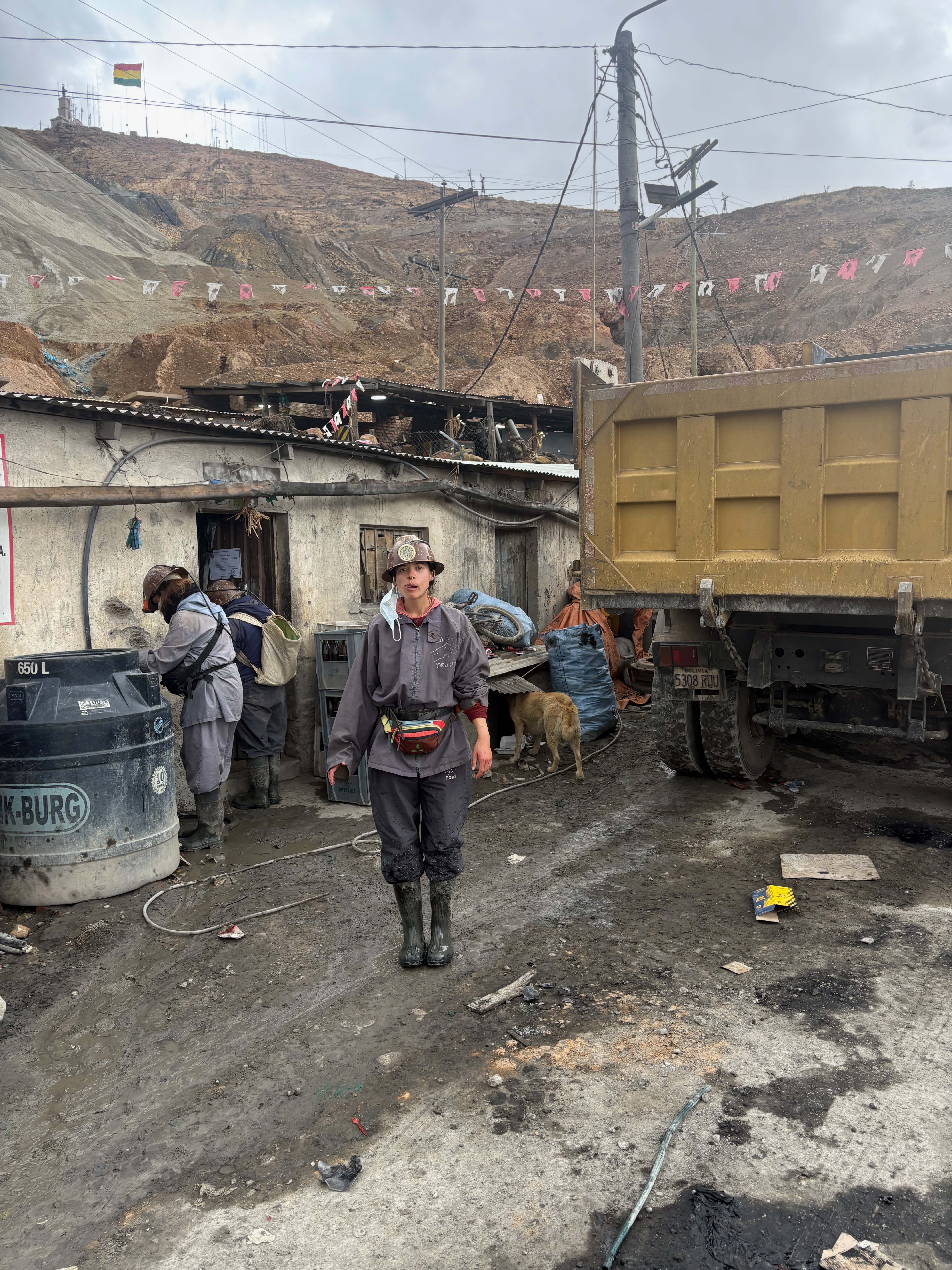
A quick lunch of salteñas, delicious baked meat pies found throughout the country, and off into the mine. Our tour guide was a woman who had ‘done her time’ and worked for 2 years in the mine before she opted for the easier job of leading curious outsiders like us around her old stomping grounds (don’t stomp in there). We were given hard hats with headlamps, a thin gray cotton shirt and pants, and gray rubber boots caked in dried mining sludge.
Today, the coin mint is defunct. As the world’s powerful currencies switched from bullion to legal tender and eventually financialized away from metals altogether, modern minting technology became increasingly specialized and capital-intensive in order to combat counterfeiting. It became more cost effective for poor countries like Bolivia to outsource production to private companies in foreign countries like the United Kingdom, which today mints the currencies of over 140 mostly Global South countries.
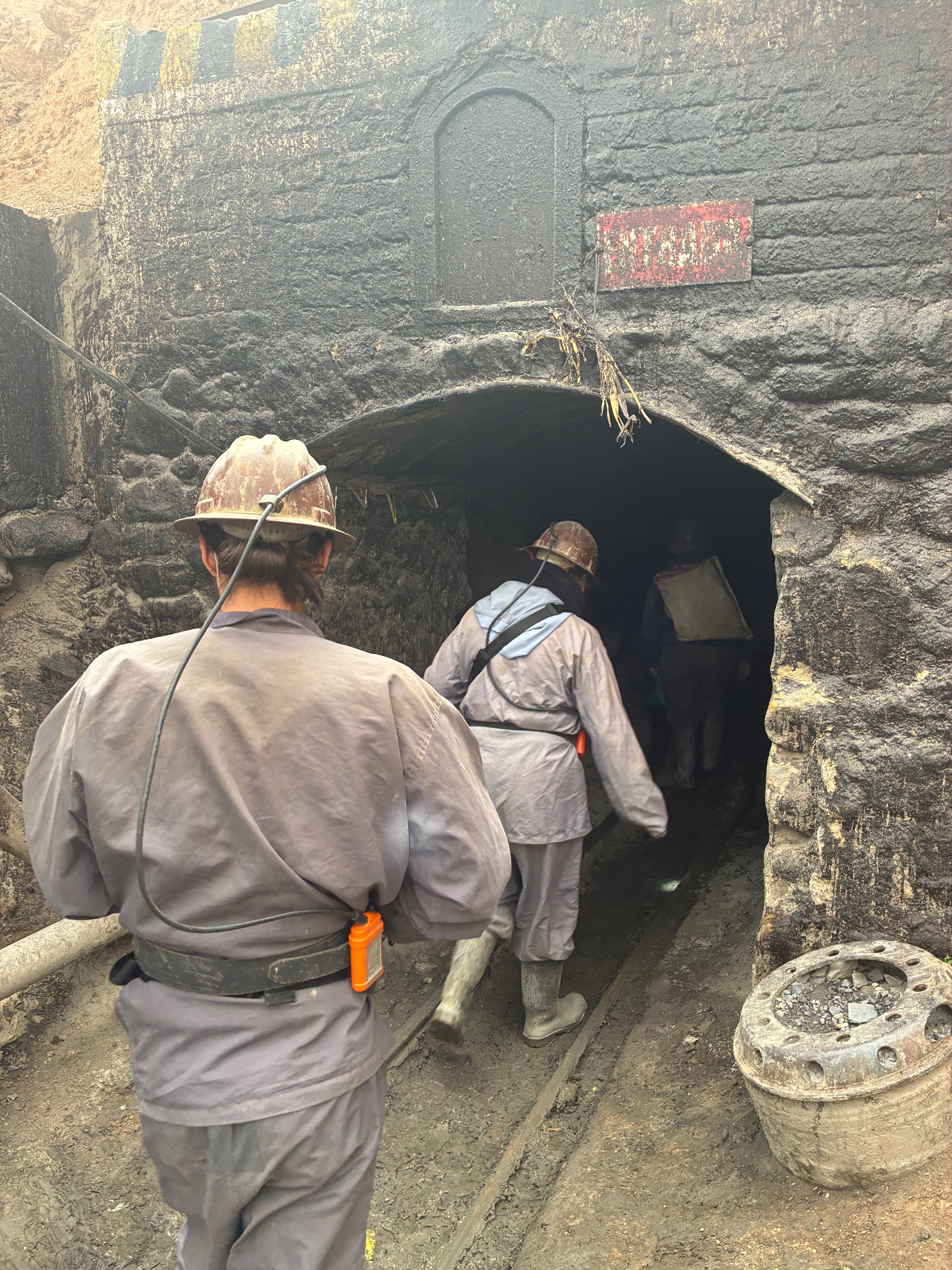
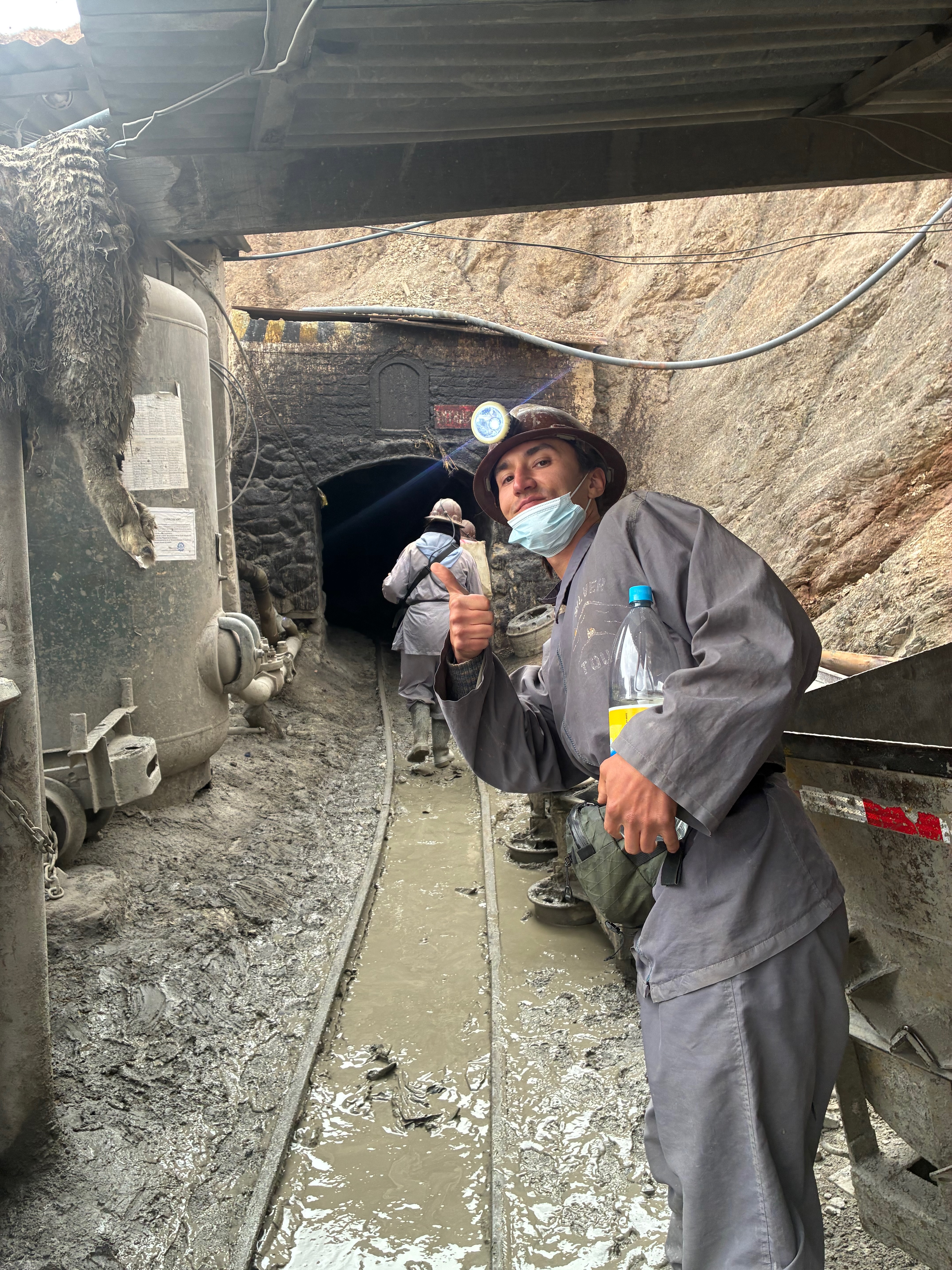
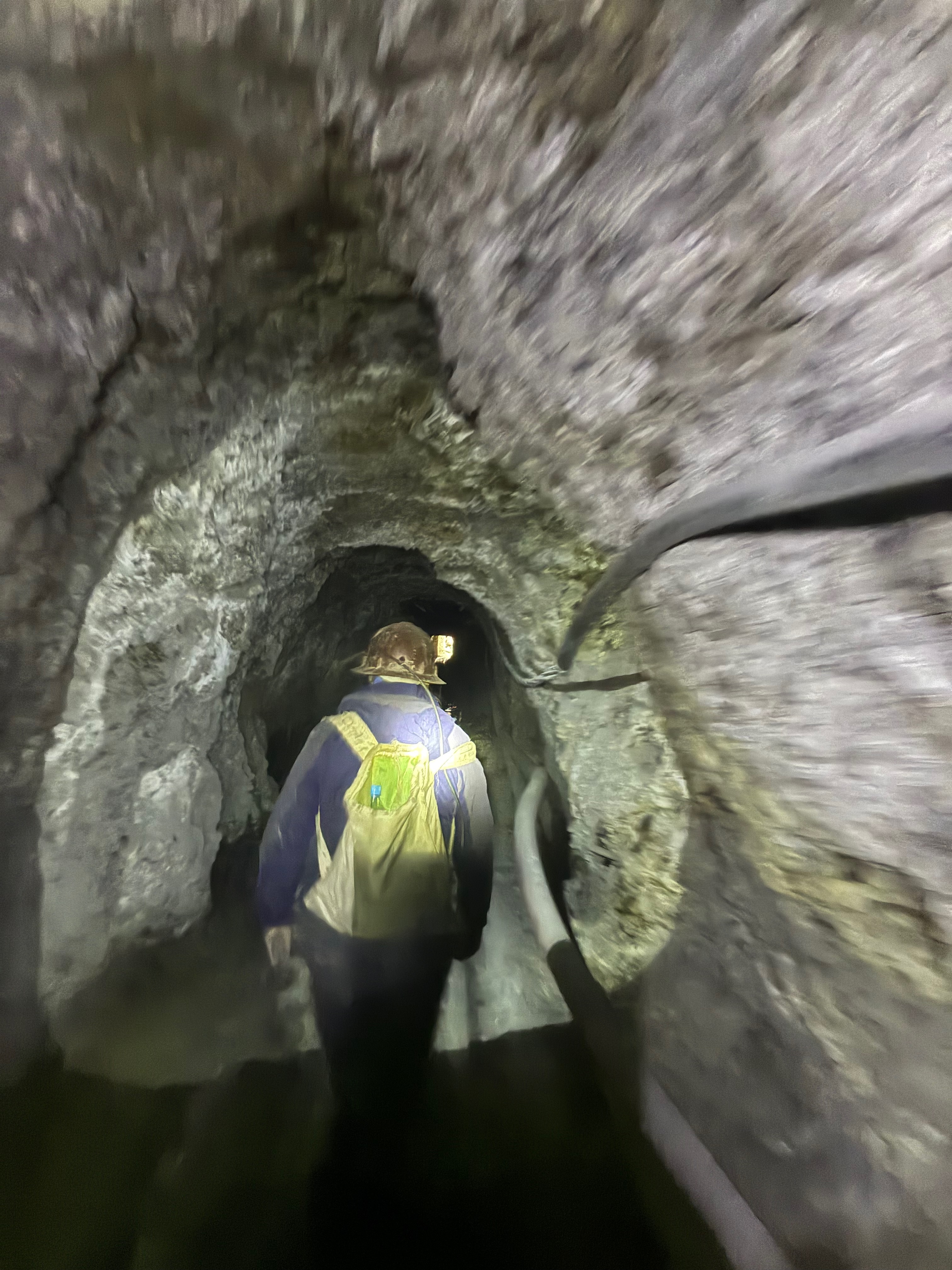
Tunnels, tunnels, tunnels. We entered one of the over 200 entrances, stepping into another world. We passed dozens of miners, many of whom have come from far-flung corners of this country, hoping not to strike it rich, but simply make ends meet. Hundreds of thousands of families depend directly and indirectly on the continued productivity of the mine, plus favorable mineral prices in the global markets. Distant rumbles approached from multiple directions, including above and below. All the tunnels were the same size, and without any signage, there seemed to be no method to the endlessly-branching madness. Right here, left there, step around the gaping hole that goes straight down 200 feet. We spoke with a few young men who shared their outlook. For some, it’s just a quick stop to make some money for college. No one we spoke to wanted to make a lifelong career out of mining here, and yet it happens all the time. Stay too long, breathe too much, and the damage to your lungs is irreversible: the primary cause of death here is Silicosis, but accidents are also common.
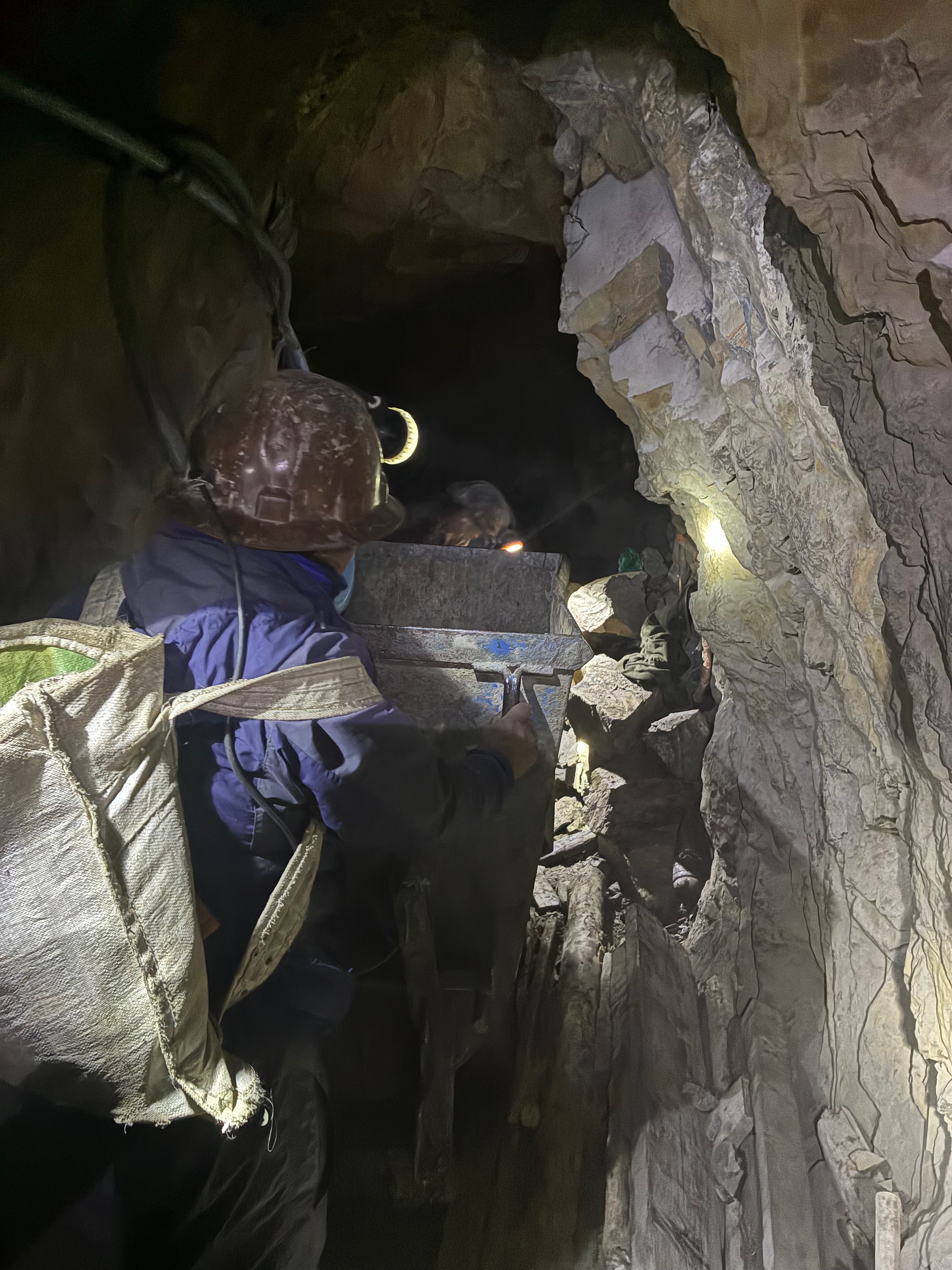
Bolivia’s silver dominance has also faded. With an estimated 50,000 of the original 110,000 tons of silver remaining but increasingly difficult to access, most of the activity has shifted to Zinc and Tin. The miners today are loosely organized into cooperatives, where each miner is required to have worked as a day laborer for 2 years, and is responsible for supplying their own gear and dynamite. Hand tools still dominate, with pneumatic drills and jackhammers among the most advanced gear. Mine carts are pushed by 1-2 people containing hundreds of pounds of rock to be crushed and sorted outside. Even compared to the mines in Peru, the work here does not seem to have changed much across almost 500 years.
Back to Old Scratch. Those bulging, crazed eyes are reminiscent of High Altitude Retinopathy, which strongly affected many unacclimatized Africans, who were brought to work in the mines and at the mint. Silver was isolated using Mercury Amalgamation, which released toxic, maddening fumes in an era with no personal protective equipment. The puffy cheeks? Full of coca leaves. Coca, while originally banned by the Church in the colonial era due to its ceremonial uses, was re-permitted and then purposely grown by the authorities when they saw its positive effects on the workers. A real superfood, as it not only helps with energy and alertness at altitude, but it also staves off the hunger in miners, who still work all day without eating anything but coca.
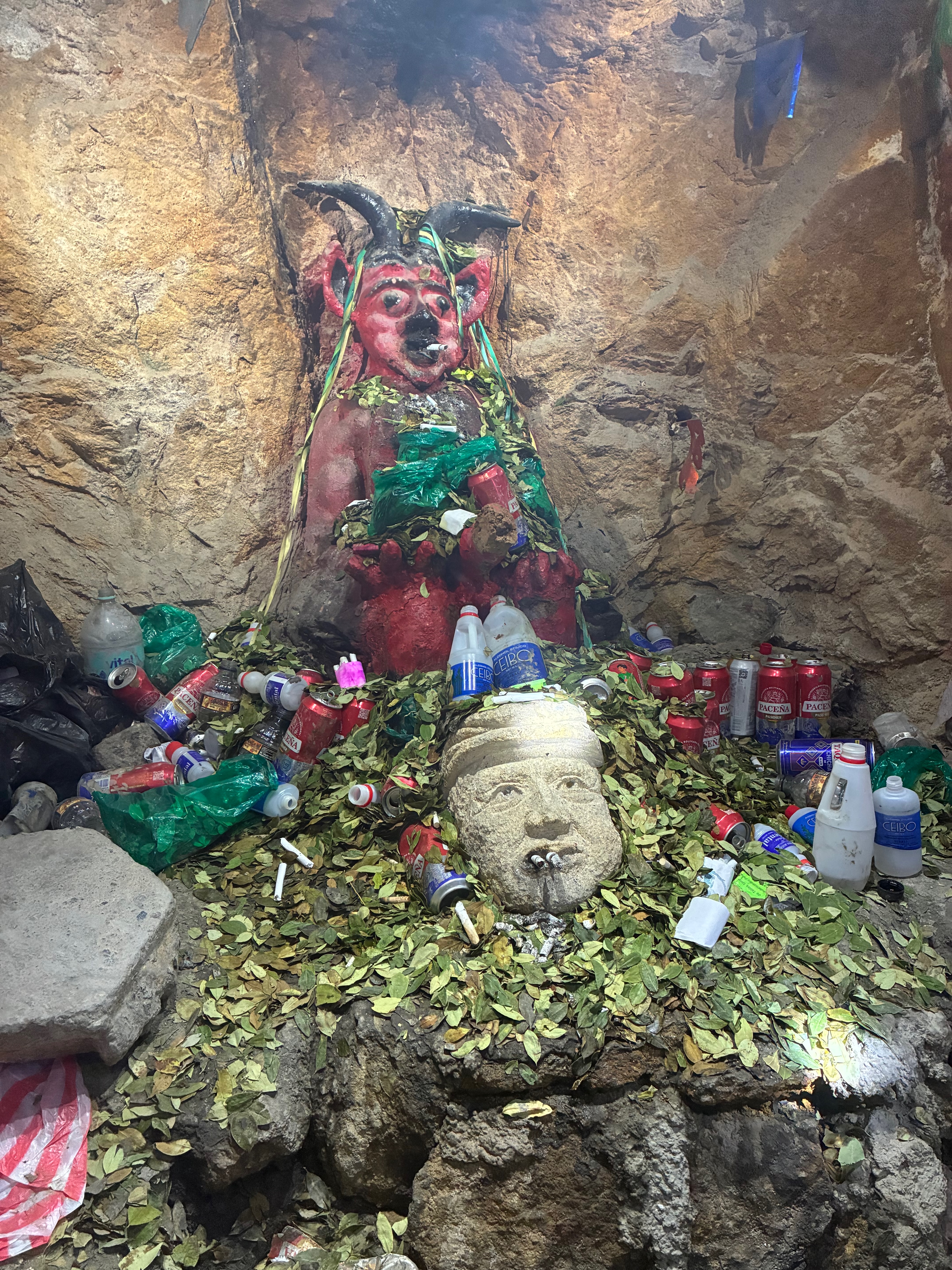
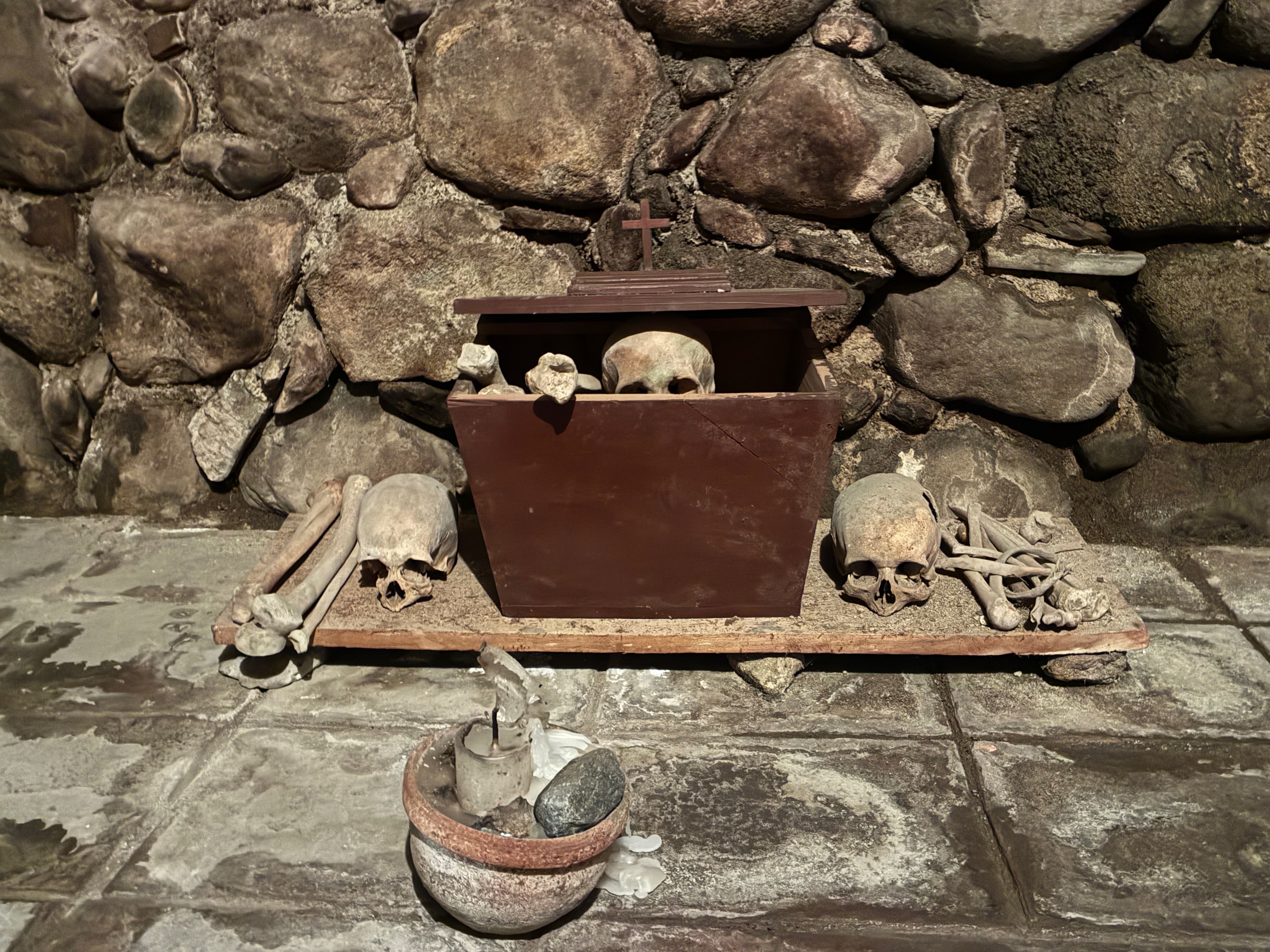
We sat at the end of a small tunnel lit with a couple of light bulbs, the only place we saw with light that wasn’t from our own headlamps. Our guide lit 4 small cigars and carefully placed 2 in the mouth of the devil creature and 2 in the mouth of a human head at the base of the statue. She proceeded to explain that devilish as he may appear, El Tio is simply the guardian of the mountain. Supay is the lord of the Uku Pacha (underworld) in Andean cosmology. He rules not only the physical underground, but also shadows, the death transition, and all things morally gray. Workers would put up stone cairns or lingams at the entrances of Cerro Rico and other mines, acknowledging their entrance into a different realm with rules distinct from the world above. They would ask for permission and protection, making offerings to placate the psychopomp whose mountain they were raiding.
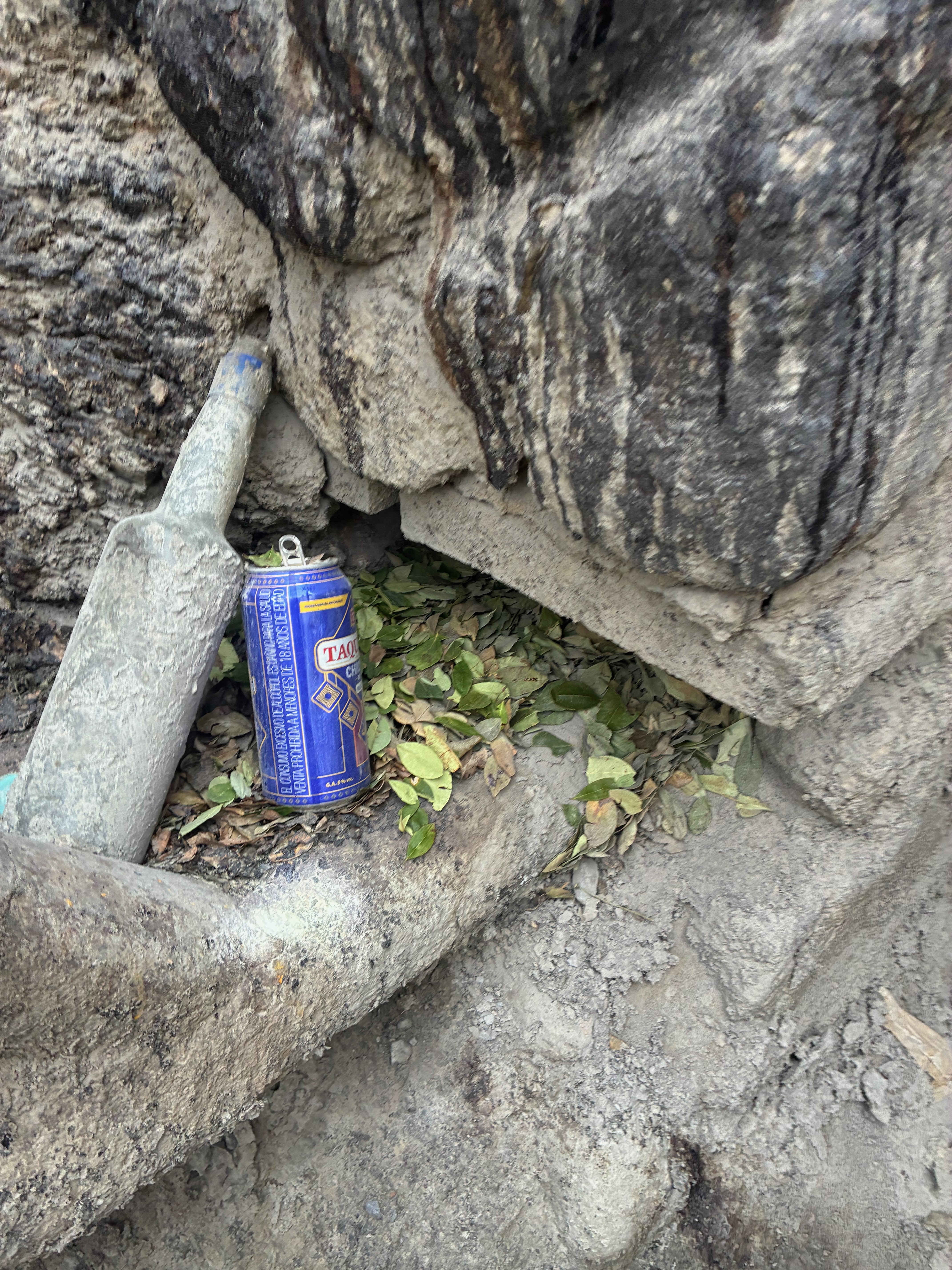
 The Conquistadors attempted to shoehorn Supay into their simplified, purely adversarial Satan to motivate their new subjects to convert to the new religion. In accounts from the mines, the statues took on the appearance of horned, red devils to frighten the laborers into working harder, lest Satan punish them. But you can’t put gods into a box. Quechua language has no ‘D’ and so ‘Dios’, used not just for the Christian God but all supernatural deities, shape-shifted into Tio (uncle). The statues remained, horns and all. As our guide poured out strong liquor and dressed the effigy with coca leaves, asking for safe passage, I began to see how this composite story-being did indeed rule the mountain.
But there is yet another dimension. Here is the mountain in a 1720 painting we saw copies of everywhere in town. Cerro Rico as represented by the Virgin Mary, often conflated by Andeans with the cosmic space-time goddess Pachamama. She gazes up, alive and with God crowning her, ready to give birth for the royal and religious men below, who raise their heads in gratitude to the heavens. Within the Virgin, the Savior of the world: Front and center, fresh from the Virgin’s body sits the Piece of Silver, the dollar, by then changing hands across the world.
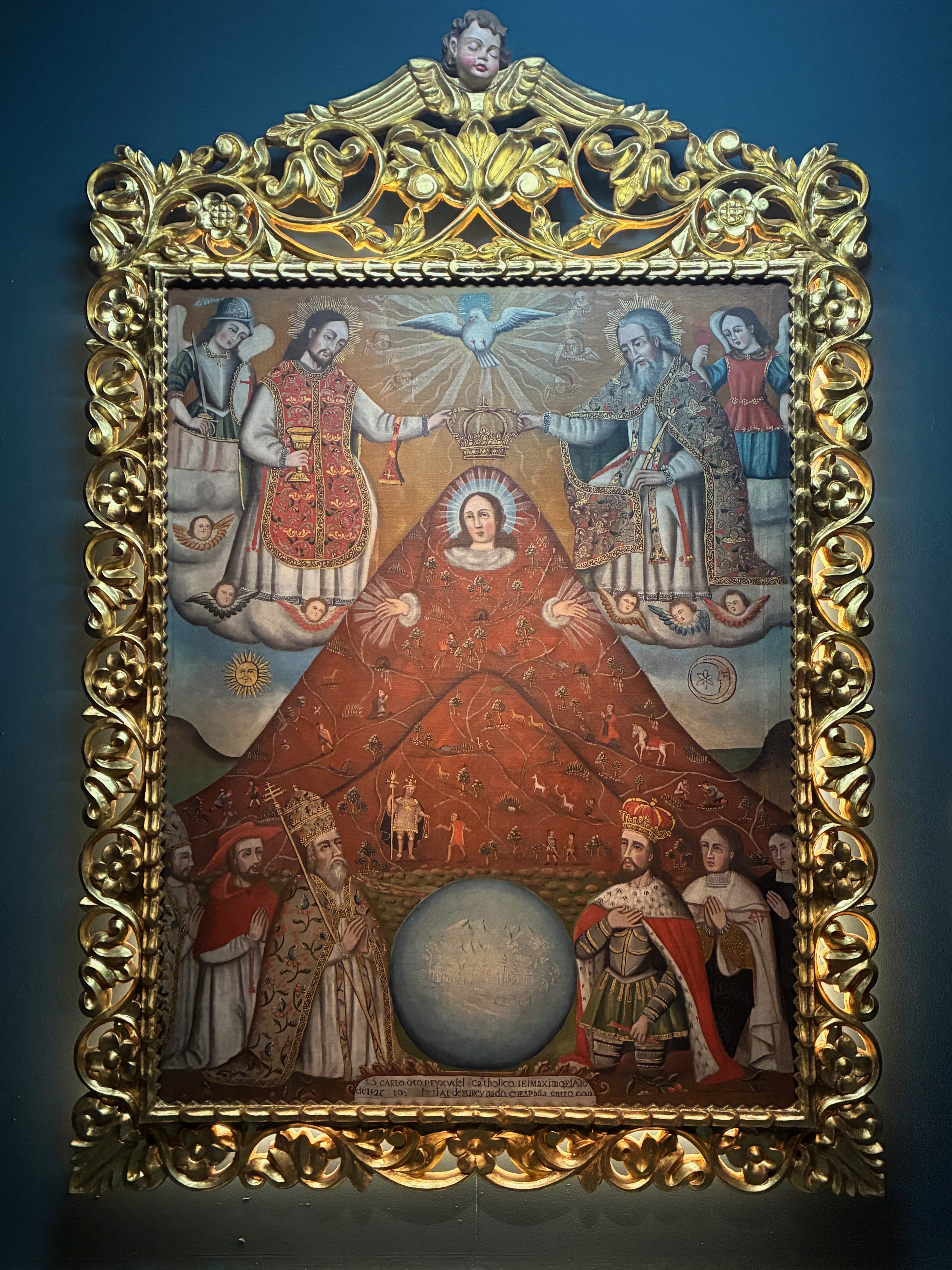
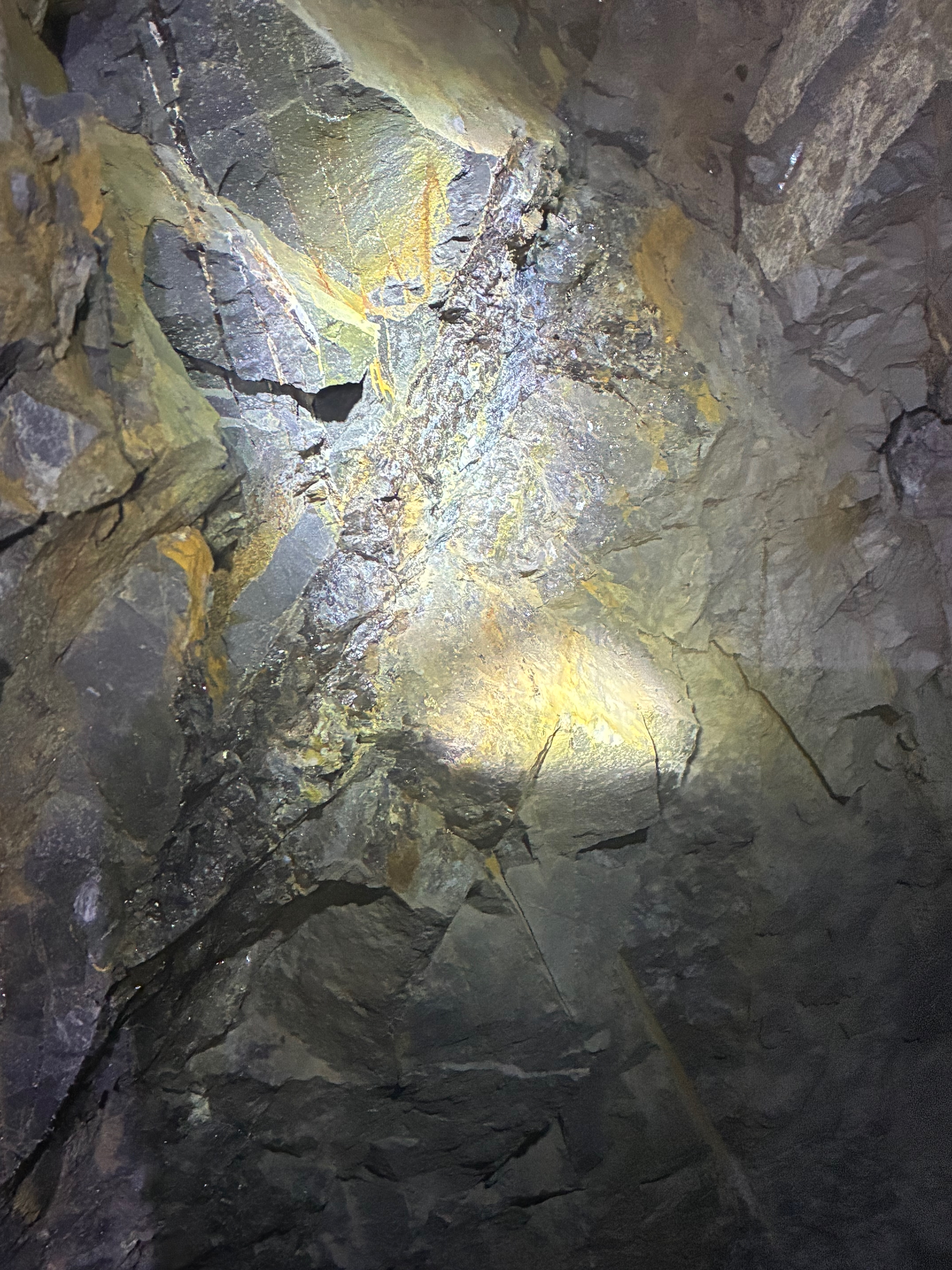
Far from being a dead lump of rock ripe for the taking or a simple story about colonial exploitation, Cerro Rico is a living, albeit severely damaged ecosystem of black rocks, red devils, morality as gray and runny as the mining sludge we splashed in, and resplendent silver lines running down the tunnel ceilings. It’s buried treasure, forced labor, triangular virgins, and a critical forgotten chapter in the evolution of money and modern economies. It’s an environment that generates powerful myths and deep questions:
What do you value? What are you willing to do for it? When is it enough? What do you think you deserve? Who do you owe your life to? Why are things the way they are?
And who’s really in charge here?