Quechua 101: HUA
July 10, 2026
 So many names in this region begin with that prefix. From my rudimentary internet research it seems that while many unrelated Quechua words begin with that “wa” sound, they were all transliterated into Spanish using the same phonetic arrangement.
I tried asking a local Andean doñita on the bus today what that phonetic prefix meant. Laughter crept into her smile as she explained that she didn’t study past third grade, despite Quechua being her native language. But she did list off several more words for me to learn.
So many names in this region begin with that prefix. From my rudimentary internet research it seems that while many unrelated Quechua words begin with that “wa” sound, they were all transliterated into Spanish using the same phonetic arrangement.
I tried asking a local Andean doñita on the bus today what that phonetic prefix meant. Laughter crept into her smile as she explained that she didn’t study past third grade, despite Quechua being her native language. But she did list off several more words for me to learn.
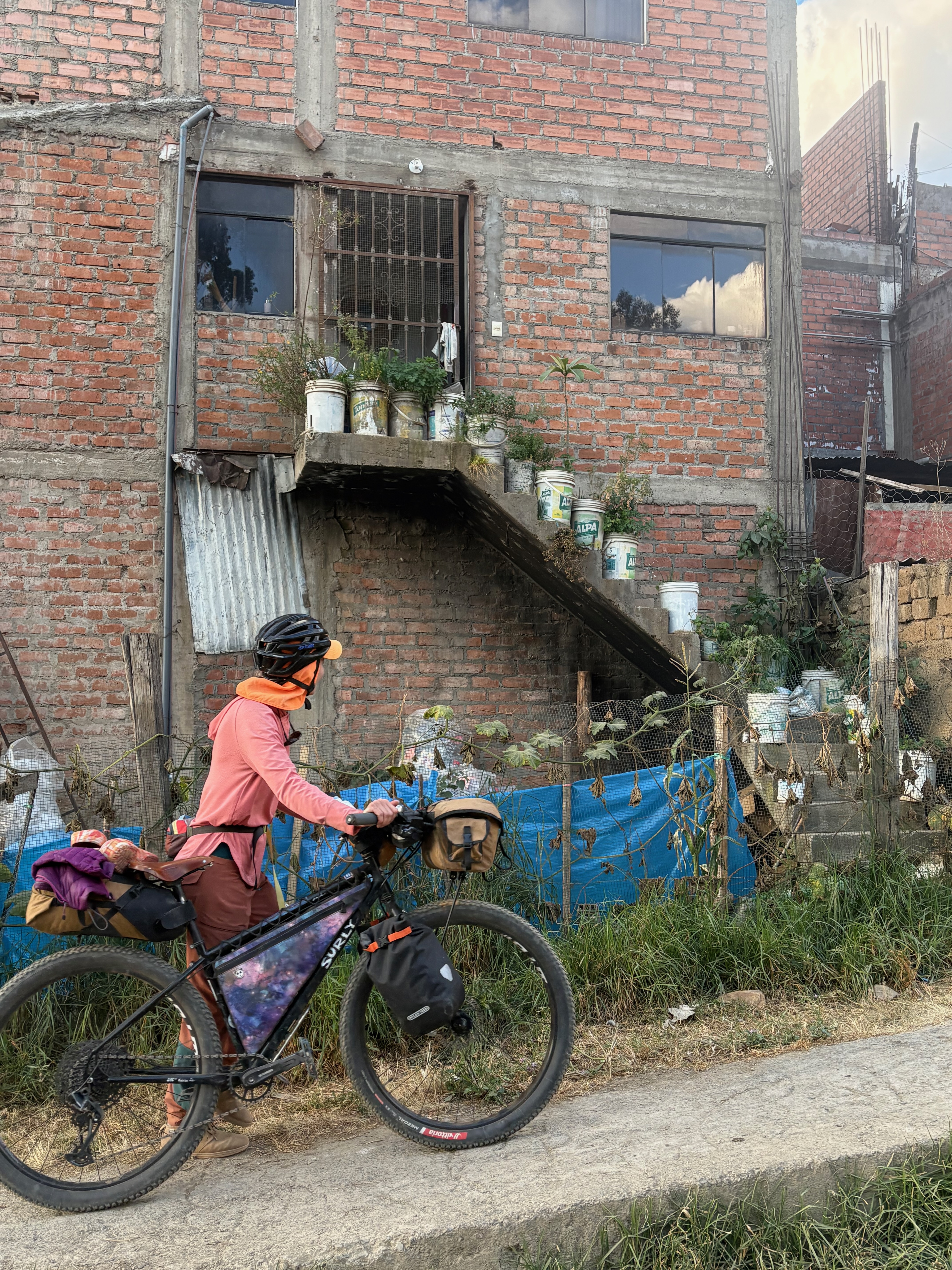
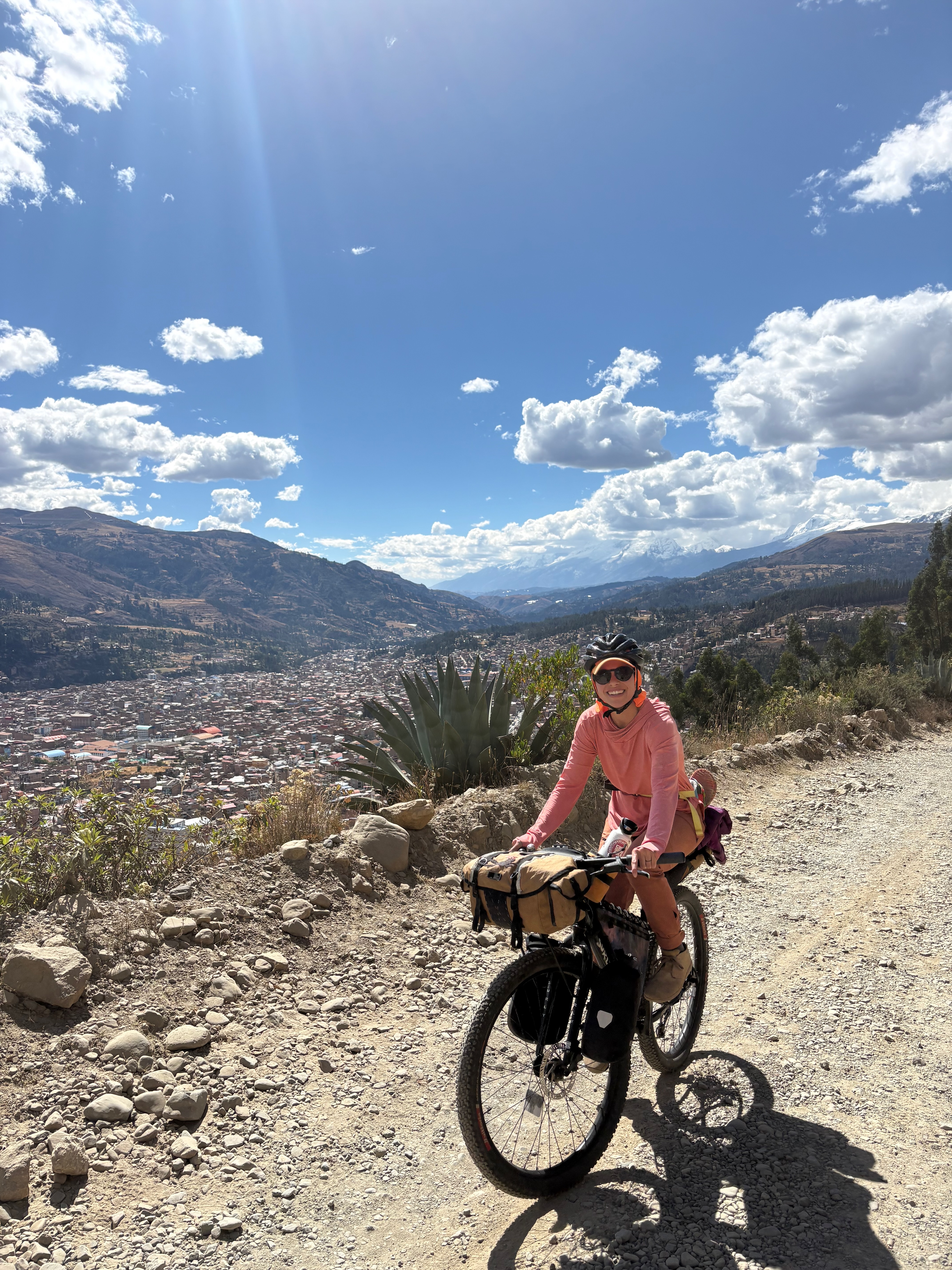
 We are in the city of Huaraz, at 3,000m (10,000ft). Soon, we’ll roll up past the Cordillera Blanca, saying goodbye to the iconic peaks of Huascarán and Hualcán, toward the town of Huanzala, soon followed by Huallanca and Huancahuasi, skipping the major city of Huánuco, sharp left at San Mateo de Huanchor, and zipping past Huachipampa before arriving in Huancavelica.
We might see remains of mountain Huacas (shrines/temples) with well-preserved Huacos (pottery), soaring Huamangas (falcons), maybe hear some Huayno (traditional music), and hopefully avoid needing to reroute due to any Huaicos (landslides).
We associate these words with the Inca/Quechua-speaking culture, but hundreds of years before the Incas there was the Wari (Huari) culture. Like the Ancient Greeks did for the Romans, the Wari laid much of the physical, cultural, and mythological infrastructure that would later become adopted by their eventual Inca successors. Unlike the Greeks, much of their culture is lost to time.
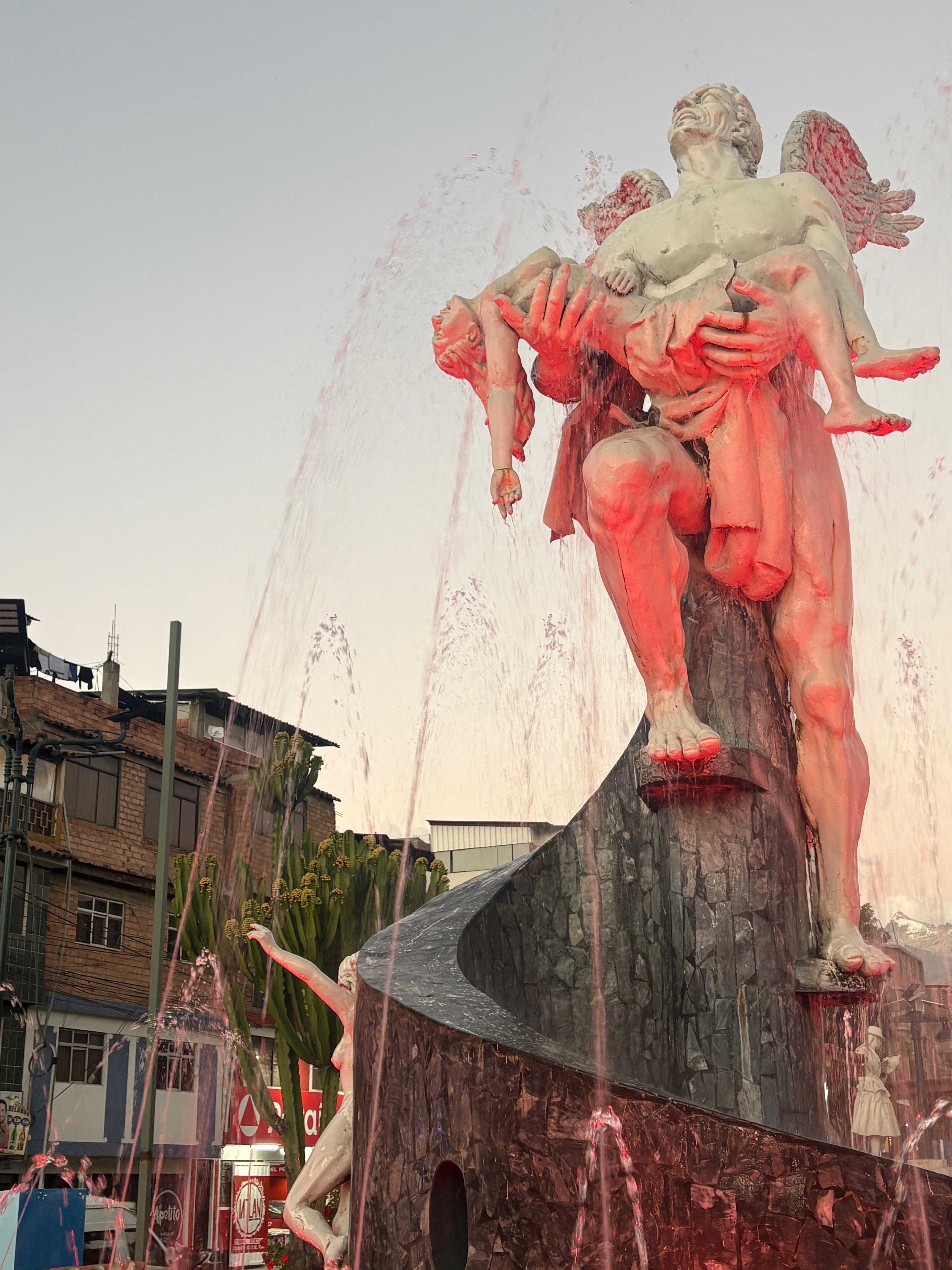
 Some more history: Atahualpa was the last Sapa Inca (emperor) and gets all the fame in the Spanish conquistadors’ narrative. But Huáscar was his half-brother who jointly ascended the throne in the chaos of the smallpox epidemic that killed both his father (Huanya Capac) and older brother. From 1529-1532, Huáscar and Atahualpa fought like Octavius and Antony over the imperial throne during the Inca Civil War and like Antony, Huáscar, not as military-minded as his opponent, lost despite having the loyalty of the armies of Cusco. Ever the medicine man, legend has that upon his execution by drowning at the hand of his victorious half-brother, he took the sacred knowledge of the Incas down into the watery underworld to keep them until such a time as it would be right for them to return. Atahualpa, for his end, was captured by the Spanish only months later, paid an enormous ransom of gold for his release, and was even baptized a Christian, before being publicly hung by Pizarro’s men.
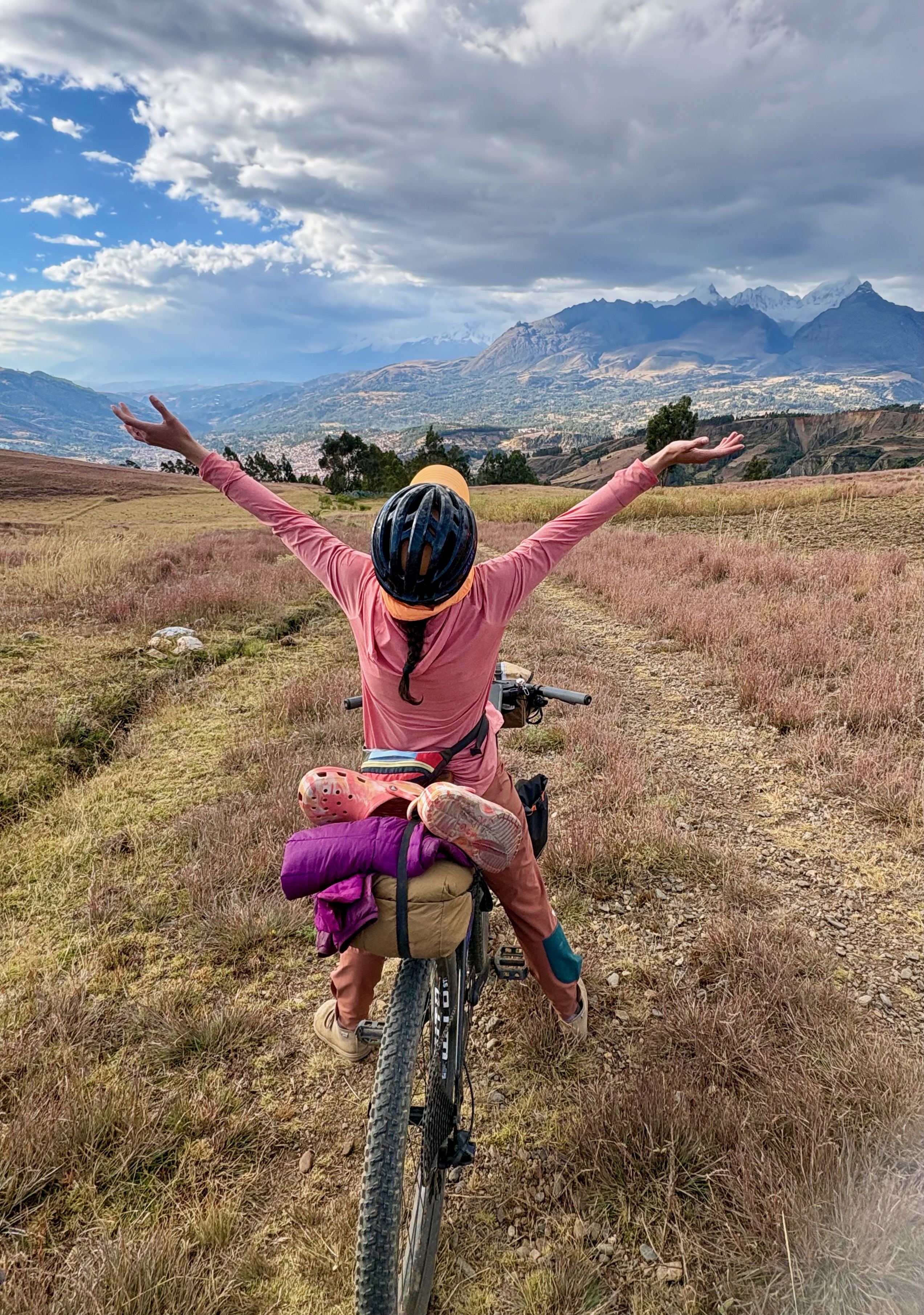
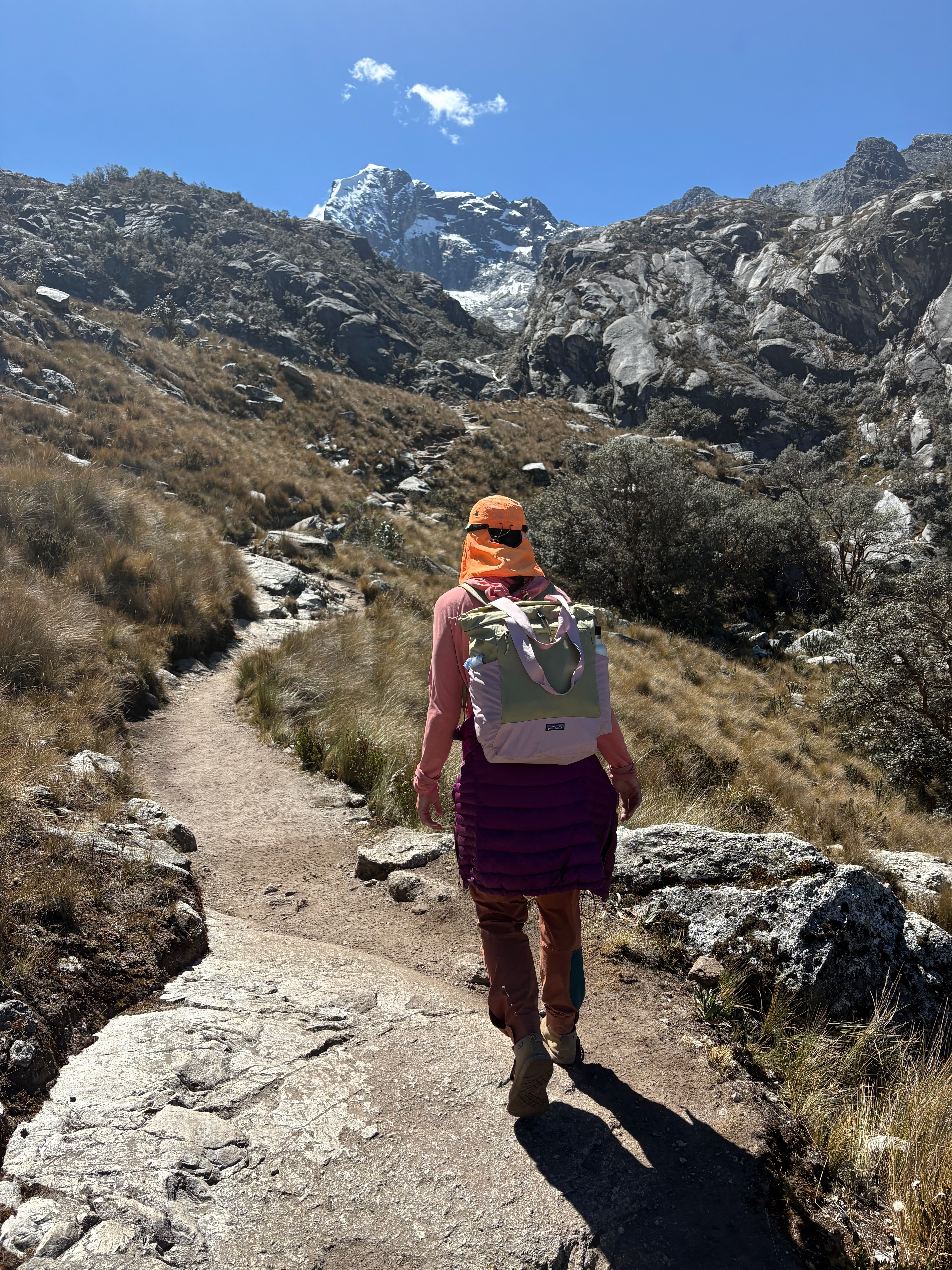
 But back to “Hua-”. Whatever the actual meaning, my subjective experience has been one not that different from the beginning sounds of “wow”! Hear it? Here, riding my bike, walking, simply opening my eyes, ears, and mouth. “Hua” is really the only sound that can come out. I look and see mountains in every direction. "Hua". It’s an ancient sound, inextricably tied to this land. It’s breath I inspire from this thin, cool air, before expiring gratitude again and again and again. “Hua” has kept me moving on our acclimation rides and hikes. Just when I feel out of breath, I find new breath. “Hua”.
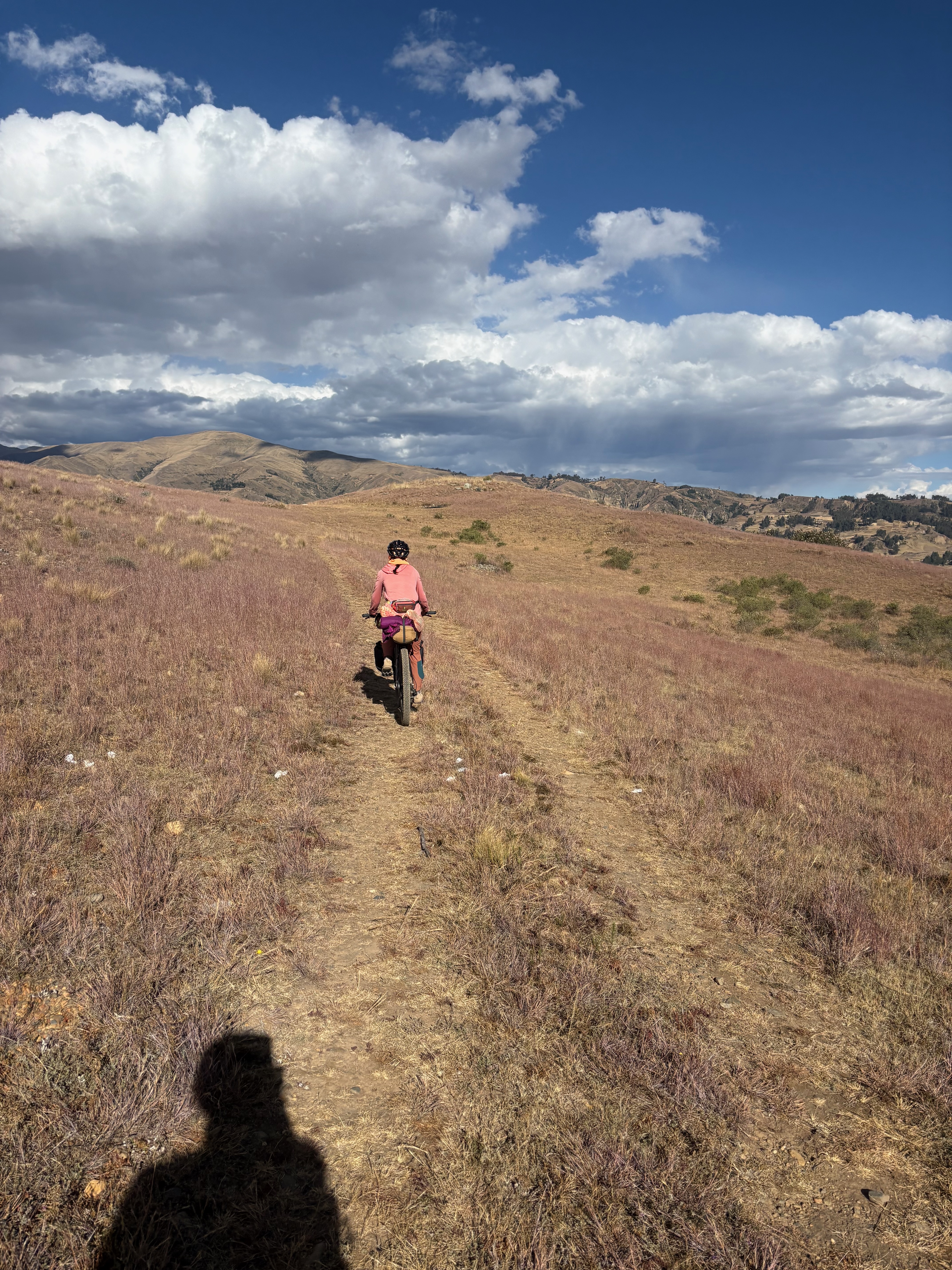 It’s like reaching into my pocket for money and finding 10 Soles I didn't think I had, but so much more. Try it next time you’re out of breath at 4,500 meters. Hua.
And if that doesn’t work, drink lots of coca tea.
 Carlos