Mennonites 2: insiders vs outsiders
September 21, 2026
When I was in my senior year of college, I decided to write an undergraduate research thesis about my mom’s family. My degree was a Bachelor of Arts in Spanish, very much in the follow-your-heart territory of the humanities. I got to spend a lot of time and effort in school writing a fancy paper for no other reason than I cared deeply about the topic.
I did think there was something important there, and I still do, which is why I’m still writing about it. I am interested in how people choose to identify themselves. One question that I wish to consider for the duration of this series (because yeah, I have a lot to say about this topic) is: how long does it take for someone to be “from” somewhere? The idea is to let that question simmer. I like to visualize a pot full of ingredients set on the back burner of the stove to cook for a long, long time.
We visited my second cousin Enrique and his wife Maria in the department of Santa Cruz, Bolivia, and we later took an impromptu trip to Paraguay to visit Loma Plata, where I have more relatives and where my grandparents were born. The city of Santa Cruz de la Sierra, the capital of the larger Santa Cruz department, has grown to be the largest city in the country in the last thirty years. I asked a few people why this huge economic boom, and the general answer I received was “agriculture.” Santa Cruz produces almost all of Bolivia’s food. The big crops are corn, sorghum, wheat, and soy, and cattle raising is big business too. The farmland looks a lot like it generally does in the United States or Canada: huge swaths of land clear cut for a monocrop, worked by machines. Farmers buy their seeds from various companies, some genetically modified, and they fumigate for pests. People from all over Bolivia who can’t find work flock to Santa Cruz to make money in the agro industry, and all of the auxiliary industries that come with it, like real estate and transportation.
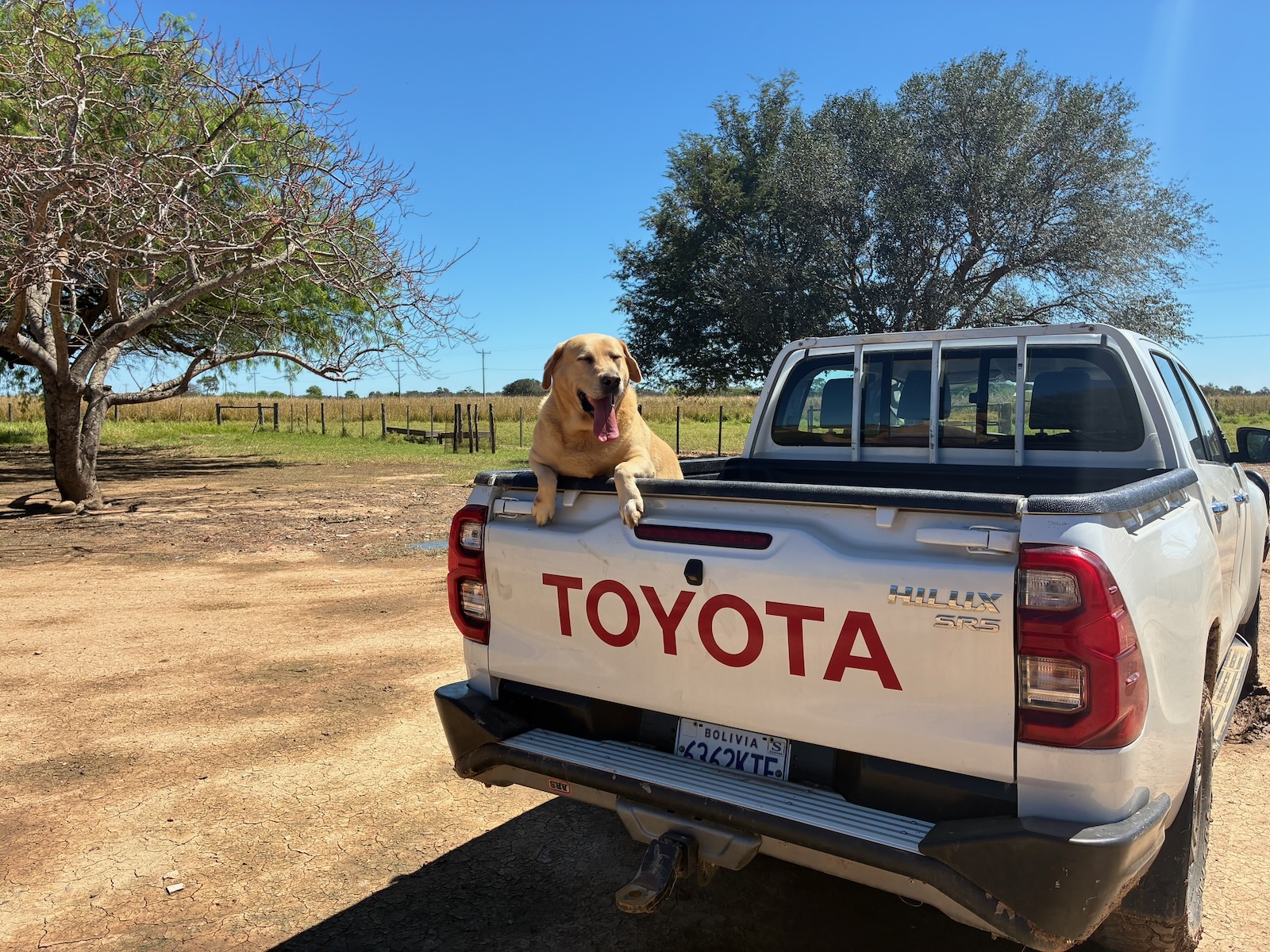
Santa Cruz de la Sierra isn’t a particularly nice city. The old colonial heritage of the department of Santa Cruz is defined primarily by the Jesuit missions to the region. The modern growth of Santa Cruz has swallowed up its historic center so now it looks like a radius of dirty roads, factories, industrial facilities, skyscrapers, housing, businesses, and gas stations. It was the only city in Bolivia where we saw supermarkets. Enrique and Maria picked us up in a white Toyota Highlander that was painted the red-brown color of the earth from top to bottom. I wondered at the huge, mud-covered, 4x4 vehicle. Once out of the city, the quality of the roads quickly deteriorated into red sand or red clay with deep ruts and poor water drainage resulting in mud puddles so big and deep they were more like mid-road ponds. We saw more than a few semi trucks carting agriculural products stranded on the side of the road. Some 70 kilometers away from the city, we reached Mennonite Land.
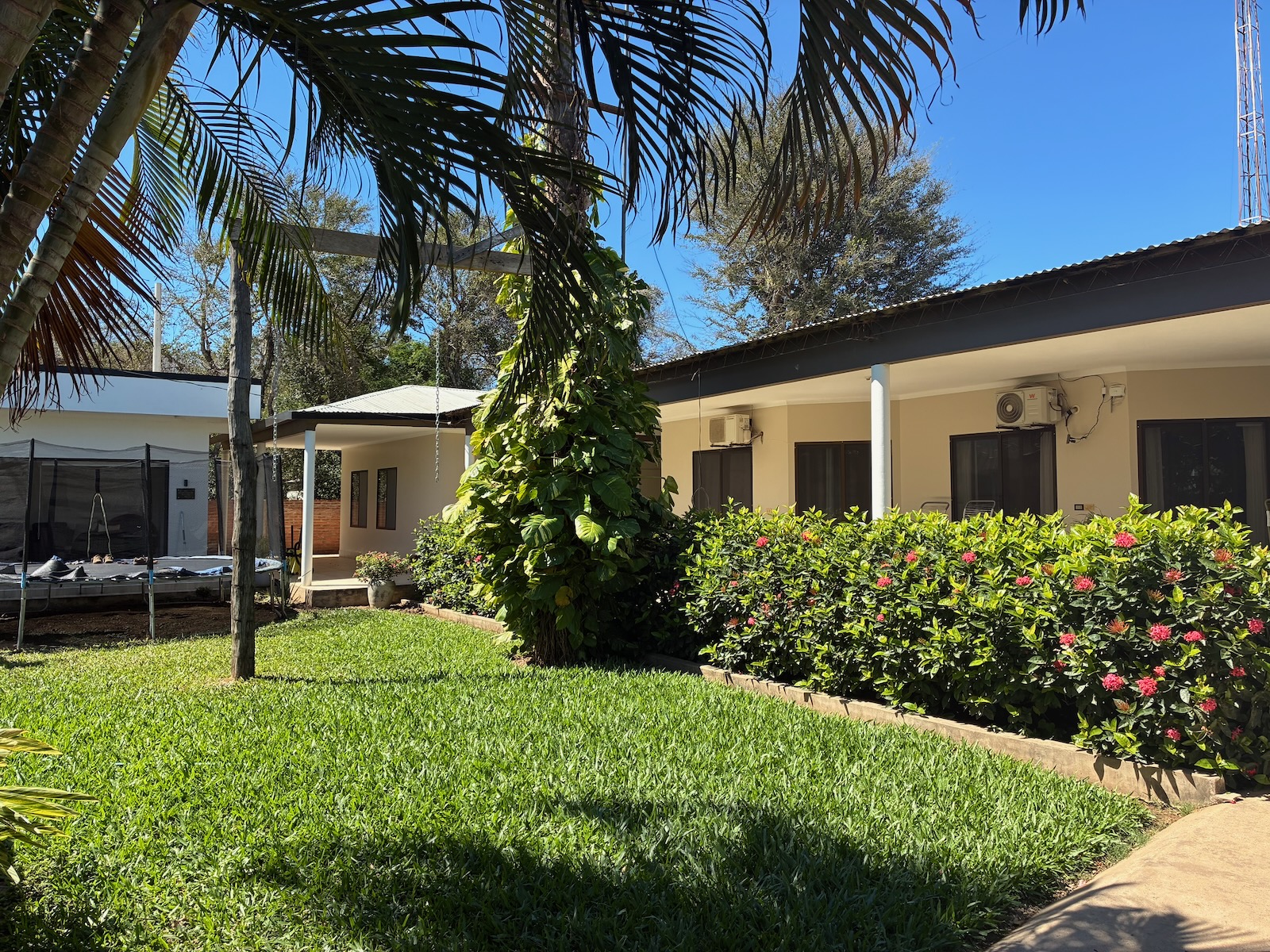
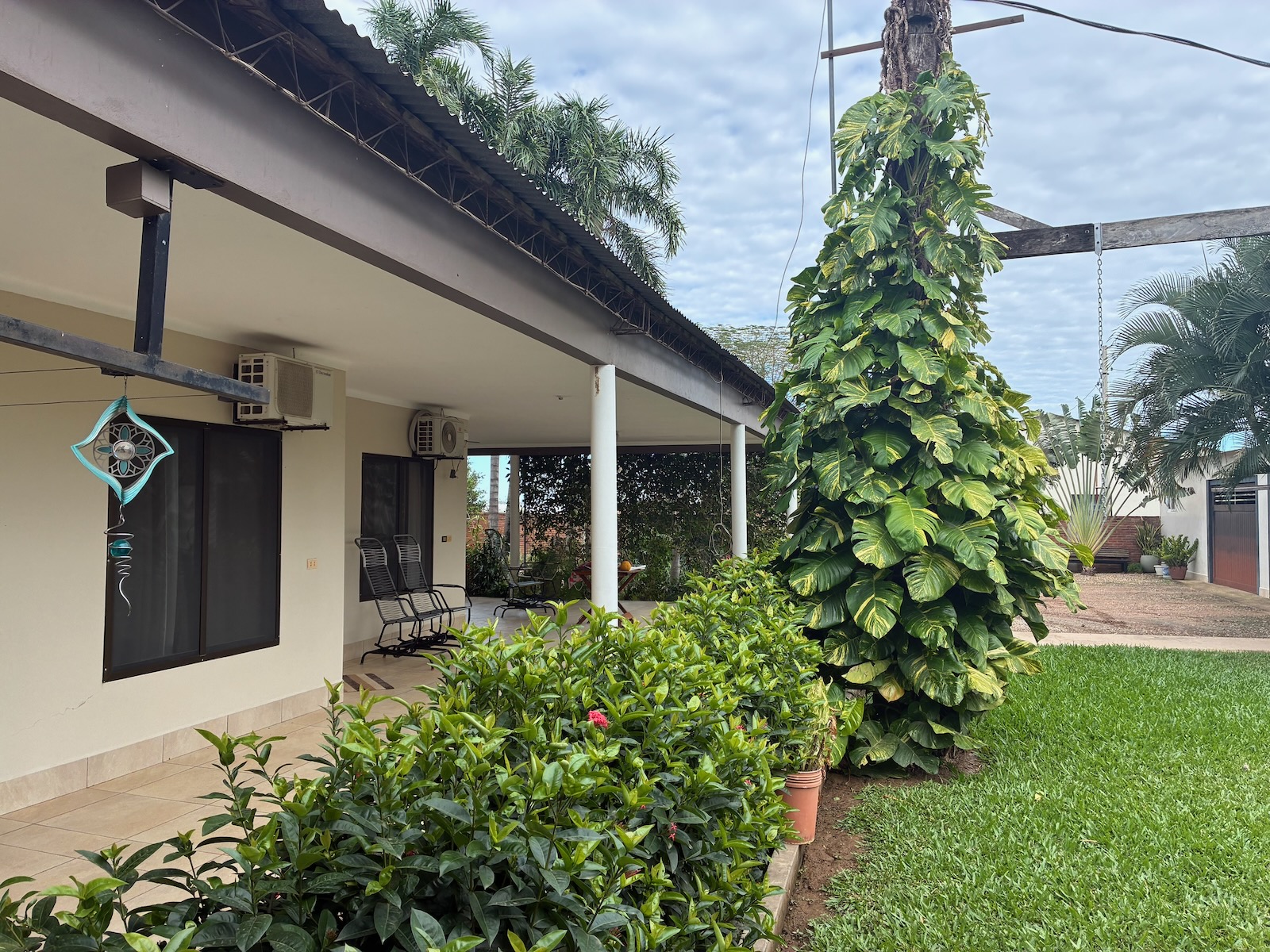
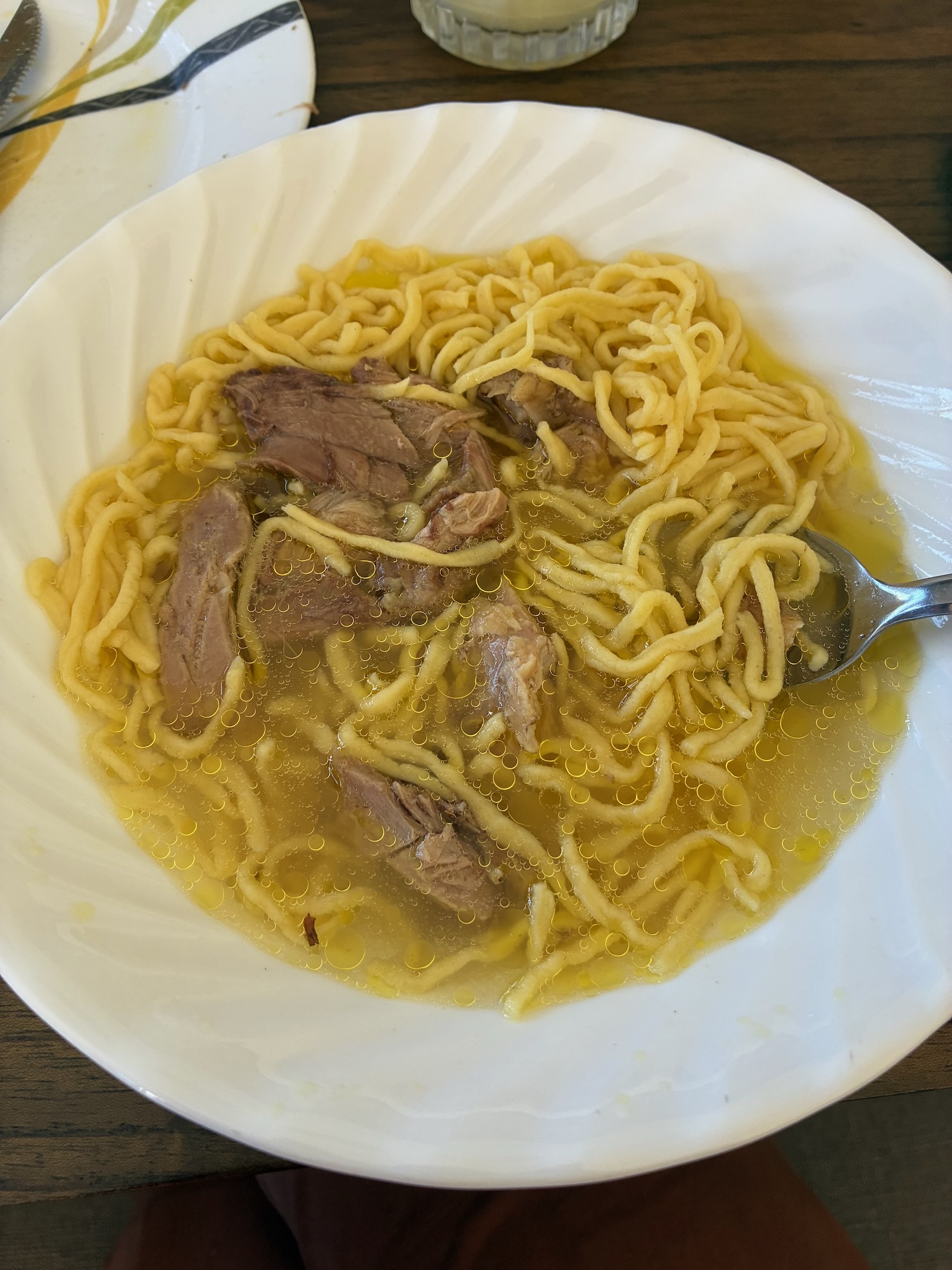
It was like visiting a country within a country. The roads were still unpaved, but smooth. They were wide enough for two passing cars, and slightly elevated in the middle with ditches on either side to drain water. The last 30 kilometers to Enrique and Maria’s house was much smoother riding. They live in a Mennonite neighborhood called Buena Vista, founded in 1999. The neighborhood was clean and well kept with no trash in site. The houses had large porches to protect from the blazing sun and had big yards full of blooming flowers and fruit trees, all well cared for. We were put up in the nicest room we’ve had in all of our travels. Now, to be fair, we’ve been traveling on a budget and not shelling out for the nicest places on offer, but still. Walking into a spacious, clean, nice room in Mennonite Land was a bit unbelievable. By far the most unbelievable part of Buena Vista was the fact that we could drink the tap water. The community pooled their resources together to build themselves a well for safe drinking water. Nowhere else in South America besides Puerto Iguazú, Argentina, were we able to drink the tap water. The food was different, not what would be readily considered “Bolivian,” but rather the familiar recipes my grandma and aunties would make. It was hearty diet of meat, fish, vegetables, homemade cheese, and homemade bread. I gained back a good bit of what I’d lost to diarrhea earlier in our travels.
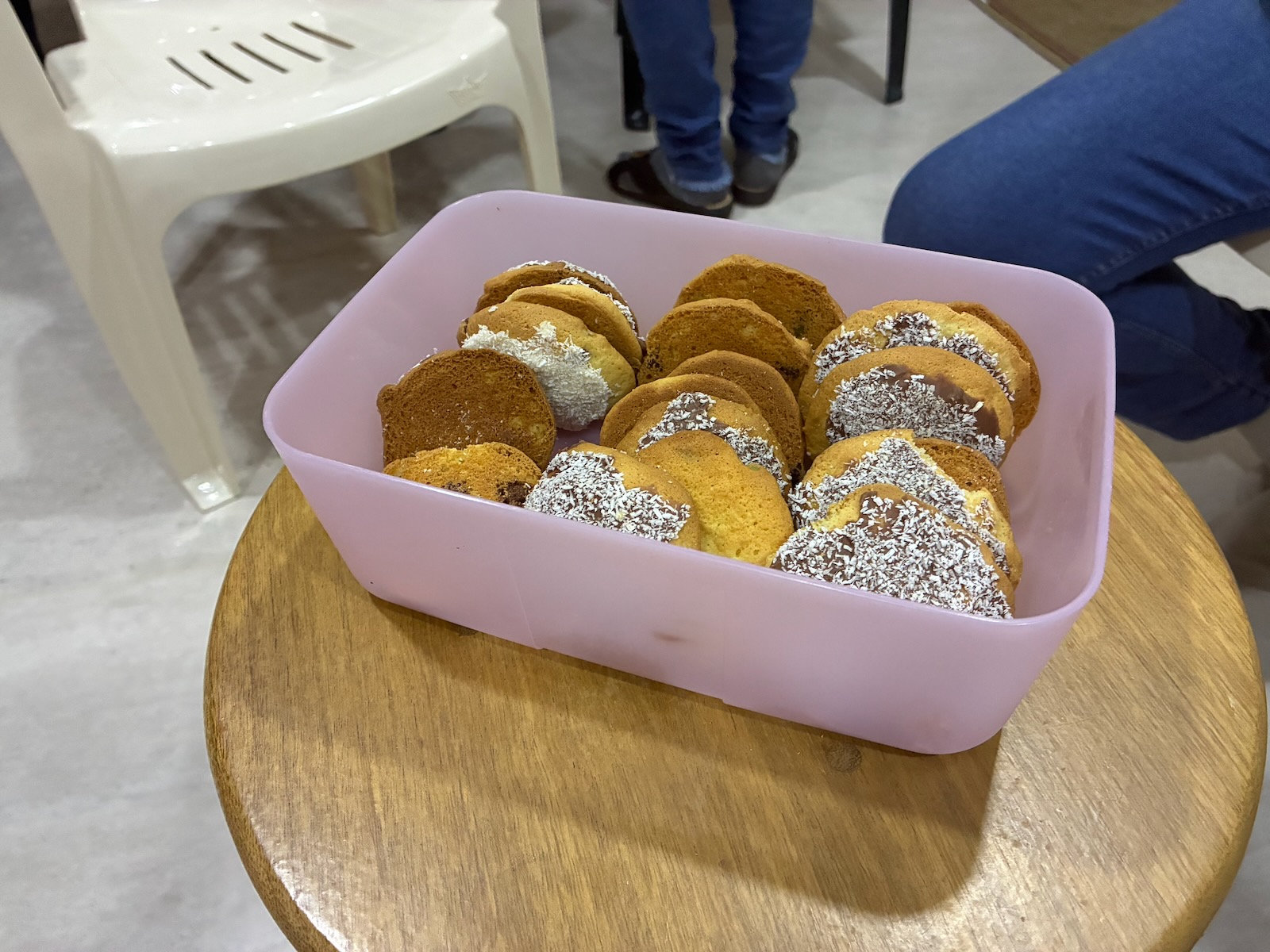
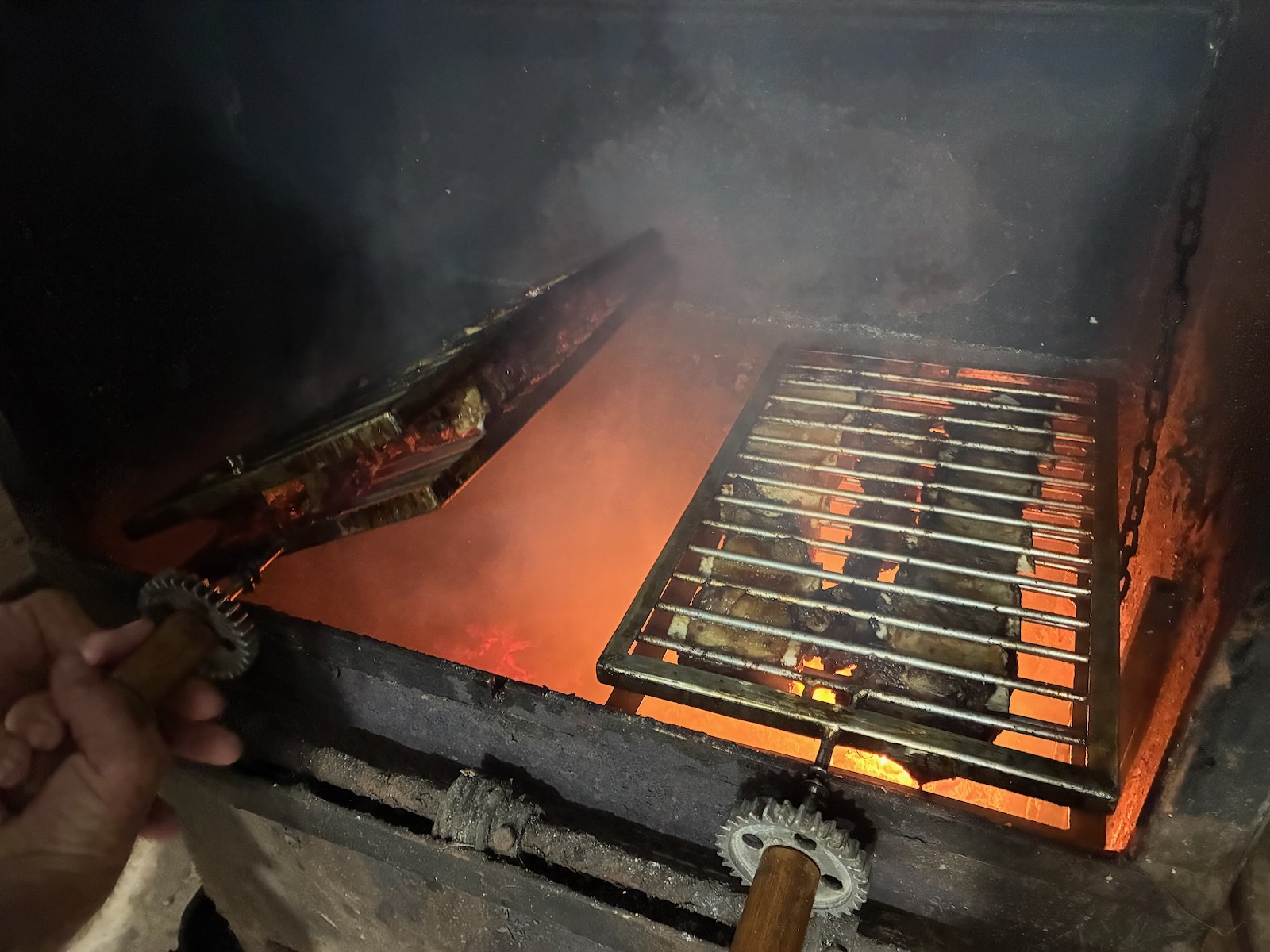
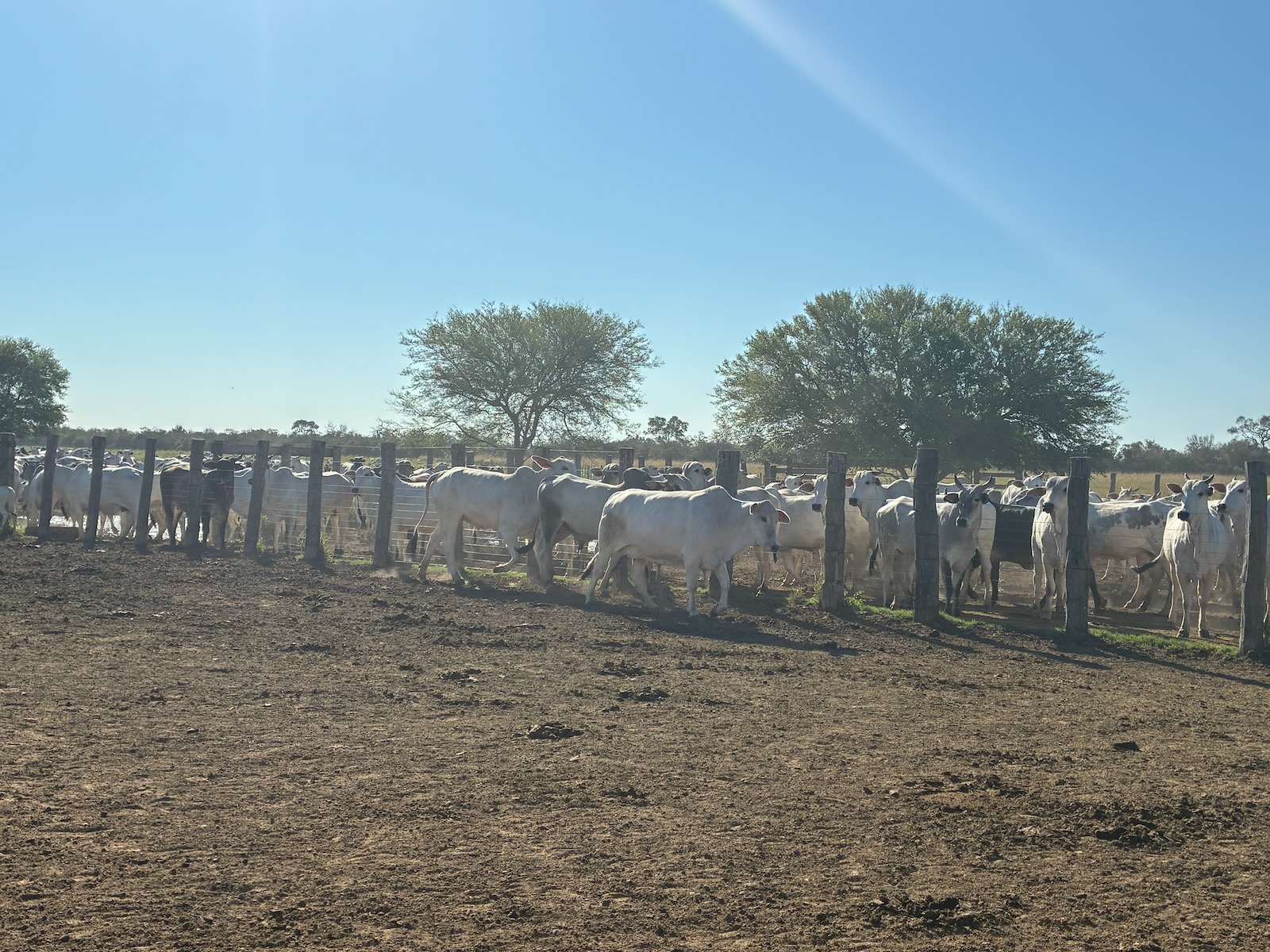
Enrique raises cattle in Santa Cruz, a lot of cattle. He owns a lot of land to support such a huge enterprise, and he also raises cattle on the land of some relatives and friends to keep that land occupied and maintained. He’s a smart businessman with a few Bolivian employees and many years of experience as a cattle rancher. His employees live on the land they work with their families; I’m not sure if they rent the houses they live in. Maria was a stay at home mom and continues to be the homemaker. She employs a local Mennonite girl for help cleaning the house once a week.
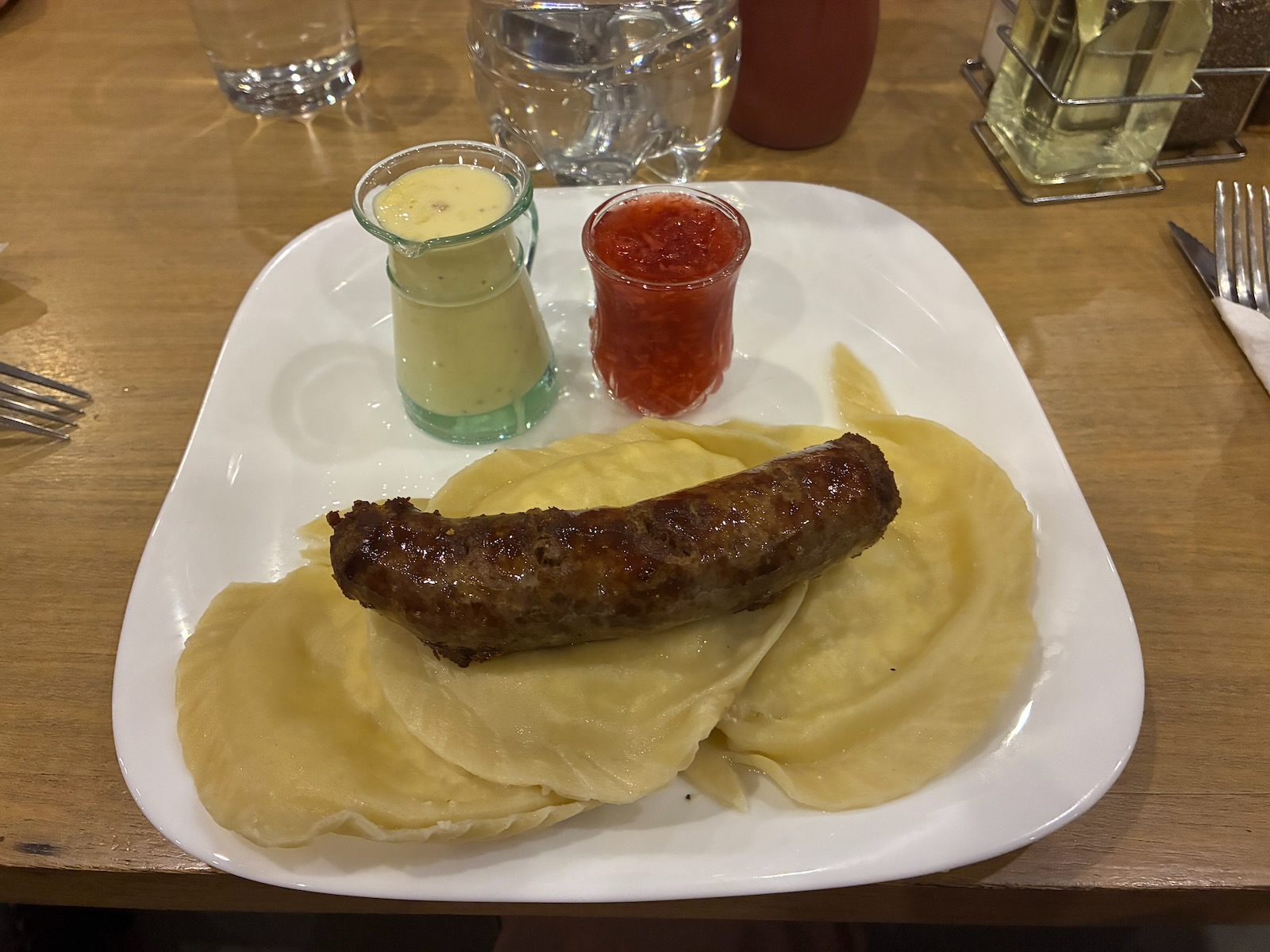
We had many conversations over yerba mate in the morning or afternoon (really, mate or tereré all day), or in the car, or over dinner. I wanted to learn about their reality and their point of view. For me, at least, there was a multi-faceted elephant in the room, a tangible tension that I wanted to try to pick apart a little bit at a time. I can best describe this elephant as binary ways of thinking and stereotypes in every direction. Before coming to Mennonite Land, I experienced a lot of Bolivians telling me things about who the Mennonites are, how they live, and what their problems are. And while in Mennonite Land, I experienced a lot of Mennonites telling me things about who the Bolivians are, how they live, and what their problems are too.
The Mennonites are seen as foreigners and outsiders to the rest Bolivia. They look different, they have a different culture, different religious beliefs, different food, and they live in separate communities. But it isn’t so straightforward as simply being an outsider or a “foreigner”. I asked Enrique and Maria if other Bolivians saw them as Bolivian too, and they said “never”. They are always treated like foreigners, even though they speak Spanish, even though Maria was born in Bolivia and has lived there her whole life, and Enrique has lived in Bolivia since he was three years old. Their children and their grandchildren are Bolivian too. Maria said, “of course I’m Bolivian, where else in the world could I go? They wouldn’t accept me anywhere else either.”
It gets even more complicated. I am not sure if this is true, but I picked up on a vibe that not all Mennonite colonies get along with each other. They’re all different. Buena Vista is a newer Mennonite “colony” and it’s a lot more open and modern than most of the Mennonite colonies in Santa Cruz. They dress like normal people, they send their children to high school and even to university in the city if there’s interest. Some Mennonites in Buena Vista have even married non-Mennonite Bolivians. More conservative colonies dress in a traditional style and don’t educate their children past 7th or 8th grade, and they don’t intermarry. Sometimes they don’t even employ non-Mennonite Bolivians for work. All of this has to do with being a closed community, and being open or closed is very much a spectrum. Some Mennonite colonies in Bolivia are “Mexican” and others are “Canadian” because that’s where they lived before they came to Bolivia. Would a Mennonite from Buena Vista feel like an outsider in a more conservative Mennonite colony? What about a Mexican-Bolivian Mennonite in a Canadian-Bolivian colony? I know this is confusing but when I try to figure out if someone is an “outsider” or an “insider” it’s impossible, because it changes depending on the context.
I learned about some social media famous Mennonite kids who post about the difficulties of always being seen as an outsider. Most of their posts have to do with breaking stereotypes, like “my family doesn’t make cheese”, or “I actually am Bolivian, look at my national ID card.” We met a girl who went to study dentistry at the university in Santa Cruz, and she said that for the first few days of her classes, all her classmates were shocked to see her there and asked her where she was from. The Mennonites in Bolivia and Paraguay have made communities for themselves in which they can feel like they belong to some extent because of how they want to live their lives, and each Mennonite community is different in part because of their values. It’s constantly changing, too. Buena Vista was founded over forty years after the first Mennonites came to Bolivia. I wonder how the communities will change with time as children grow up. Will they choose to leave the community for university? Will they come back to the community after? Will they teach their children Plattditsch?