Hats off to Bolivia
August 14, 2026
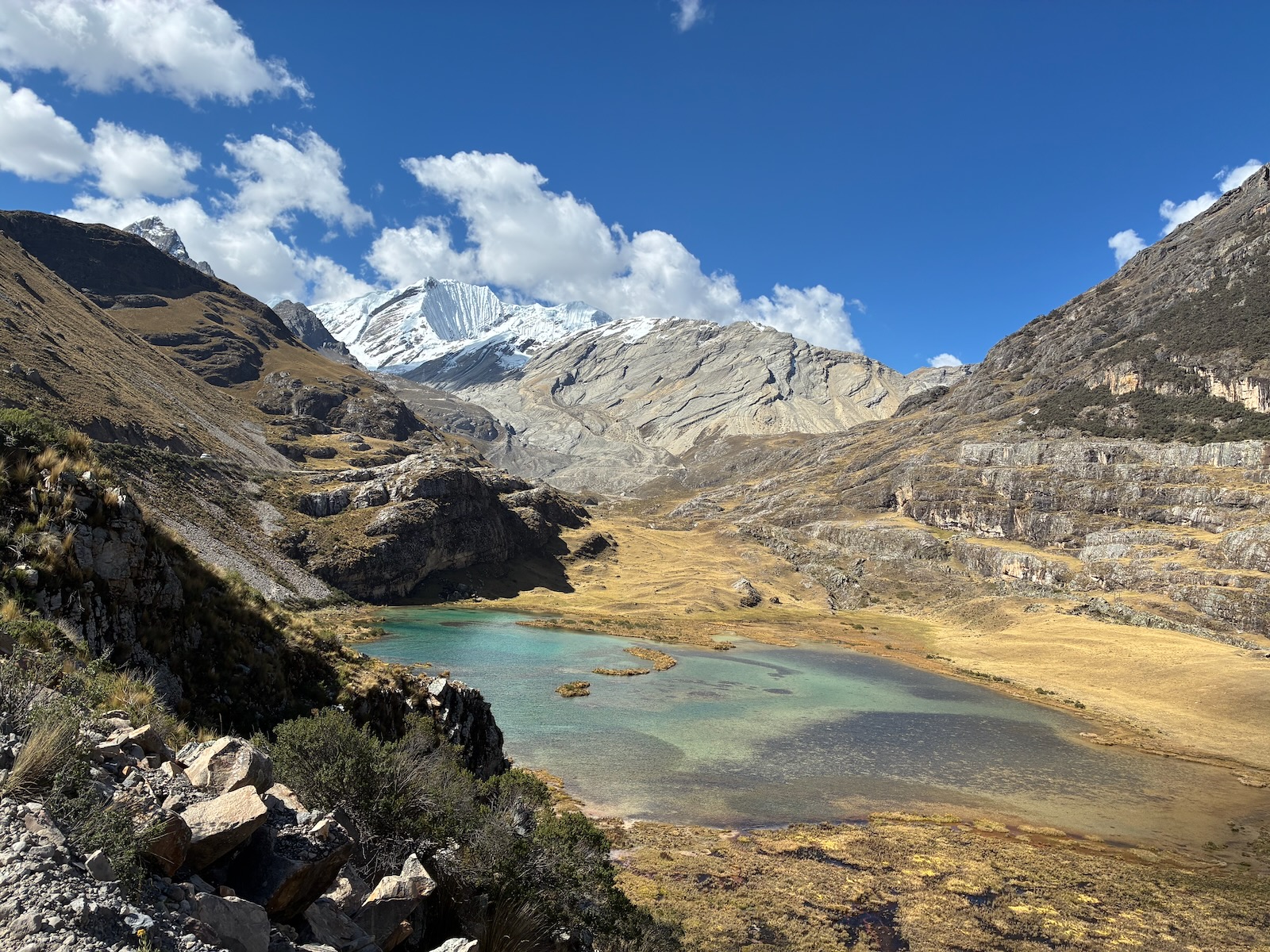
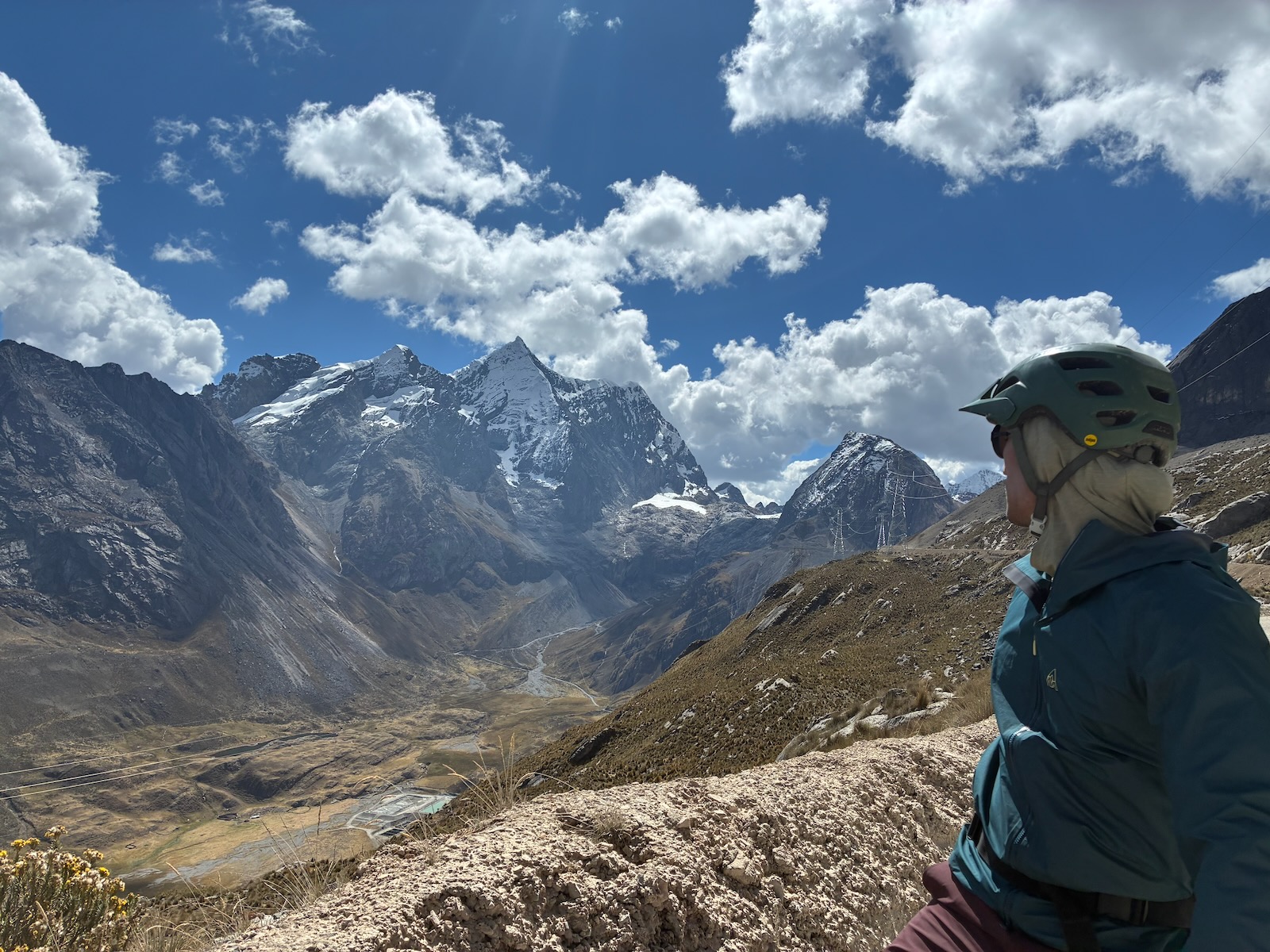
I owe you all a long-overdue update on what Carlos and I have been doing in South America. On July 23, a couple days after our last blog entries, we rode into Oyón, Perú. It was our first “check point” of the Perú Great Divide route, arbitrarily because other people divided the route into sections, and Huaraz to Oyón is the first section we planned to undertake.
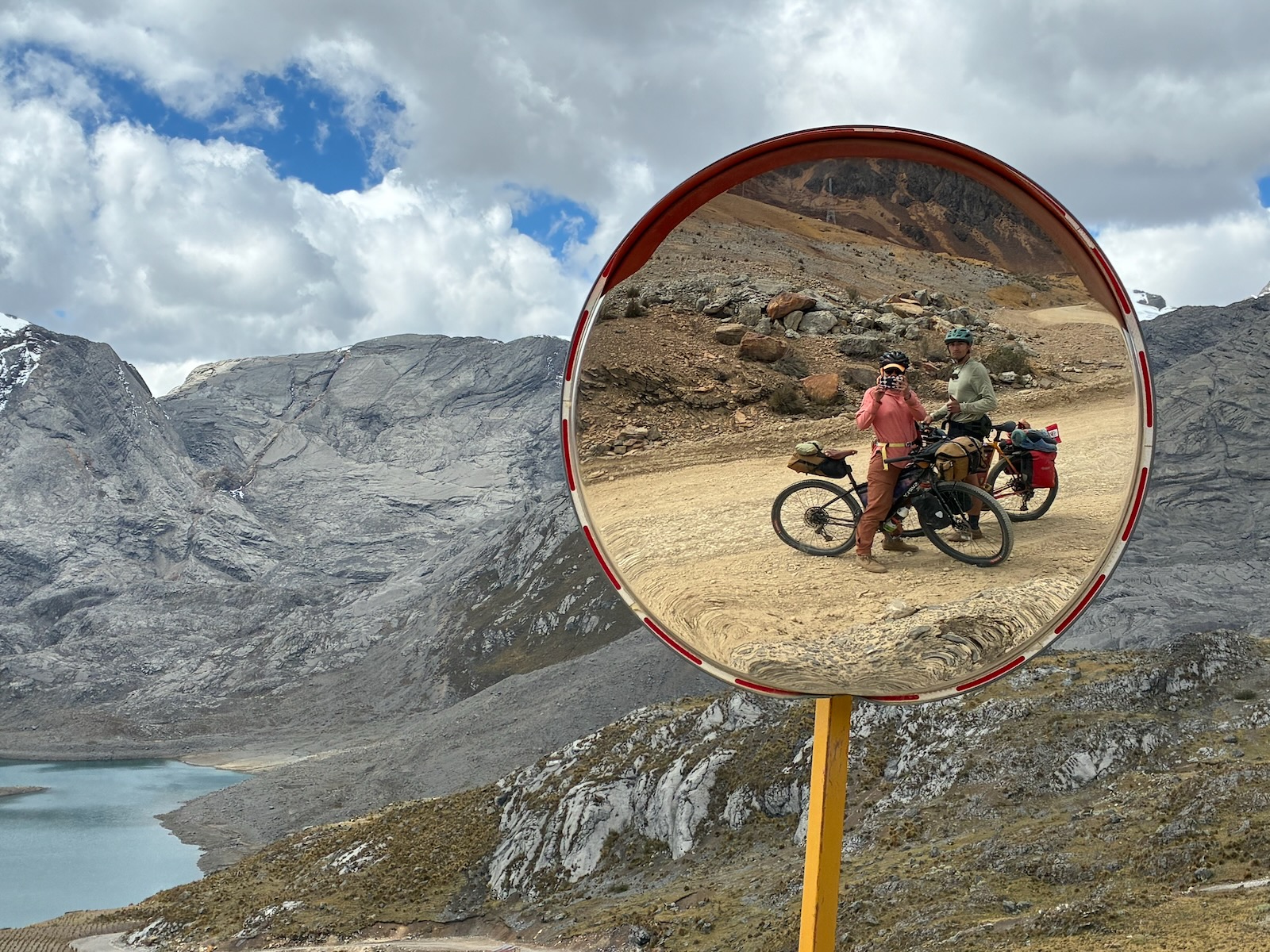
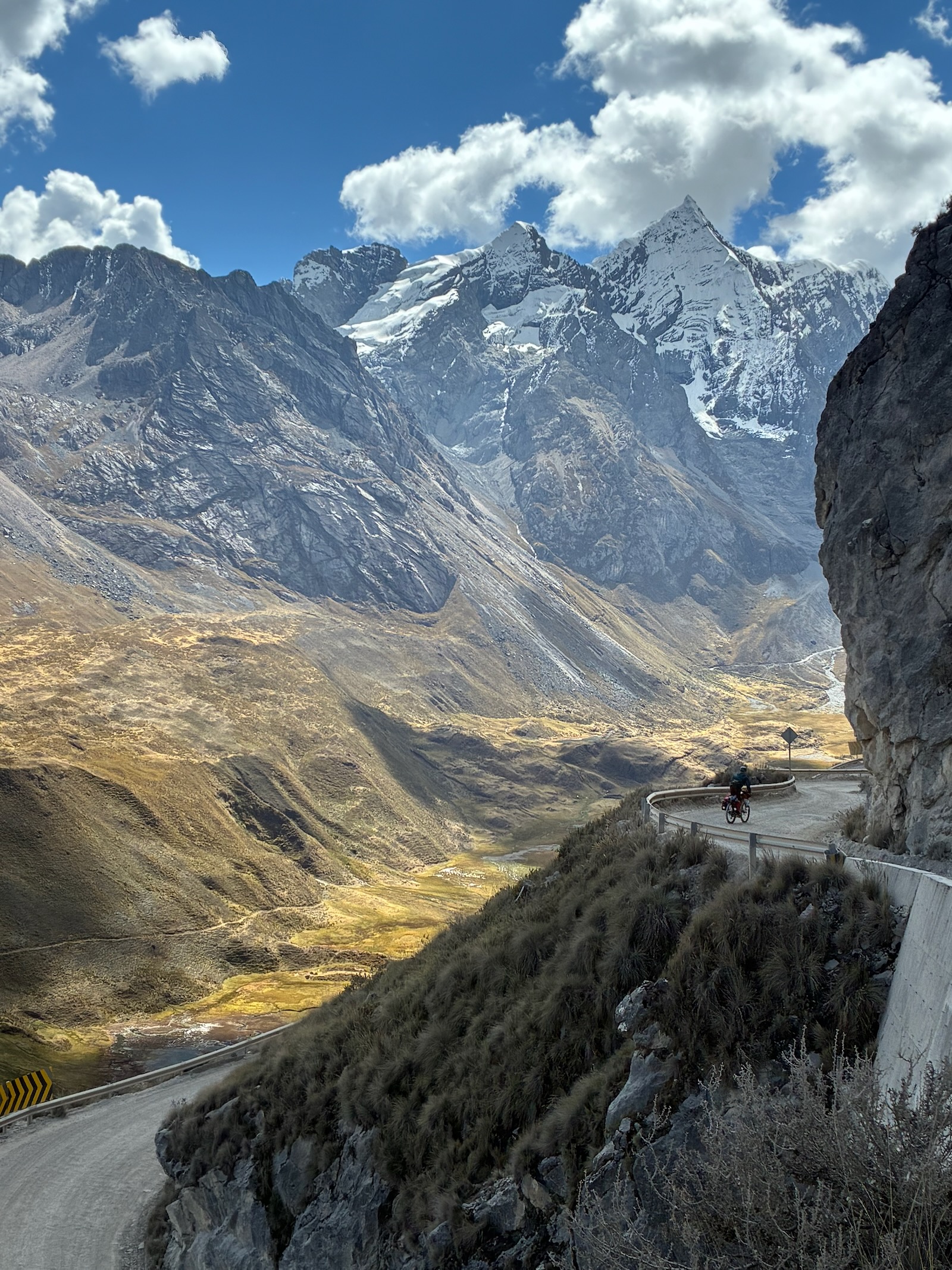
It took us six days of riding in total to complete this section, which was 180 miles in length, with over 21,000 feet of elevation gain, at over 10,000 feet above sea level the entire time. Our highest mountain pass was over 15,700 feet. The whole Peru Great Divide route is a beast: almost a thousand miles long, with over 125,000 feet of elevation gain, with mountain passes over 16,300 feet above sea level.
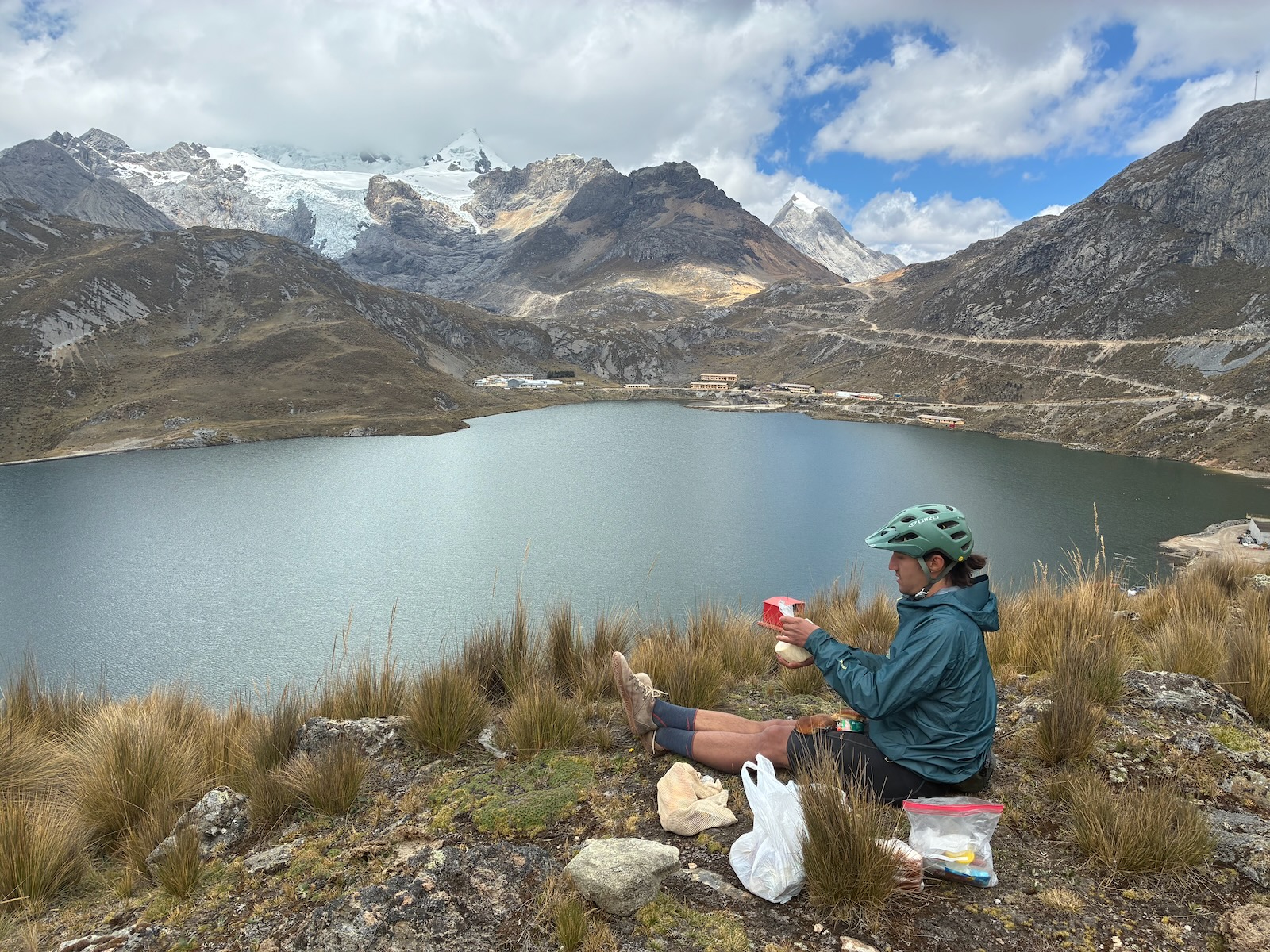
We came to South America with the intention of taking our travels day by day. We did not plan our trip from start to finish, because we wanted to see how it would unfold, how we would feel, how everything would go. Well, six days of riding didn’t include the three additional rest days I required. We took a long time to reach Oyón, and that was okay, but it was July 23, almost the end of our first month of travel, and we thought we’d have ridden farther by then. Throughout our trip, Carlos and I have had “planning days” where we’ve consulted each other on our hopes and dreams for our time in South America, recognizing that we’re allowed to change our minds and that expectations are continually shifting. We had one such day in Oyón and came to the difficult conclusion that we needed to make our way to Bolivia, but not on our bikes. On July 25, we rode down the highway from Oyón to Churín, a small town famous for hot springs and bathhouses, which was packed due to the upcoming Independence Day festivities. I estimate a few hundred families came up from Lima or the surrounding areas to enjoy what really felt like Perú’s version of Hot Springs, Arkansas. We took a bus back to Lima on July 26 to catch a flight to La Paz, Bolivia.
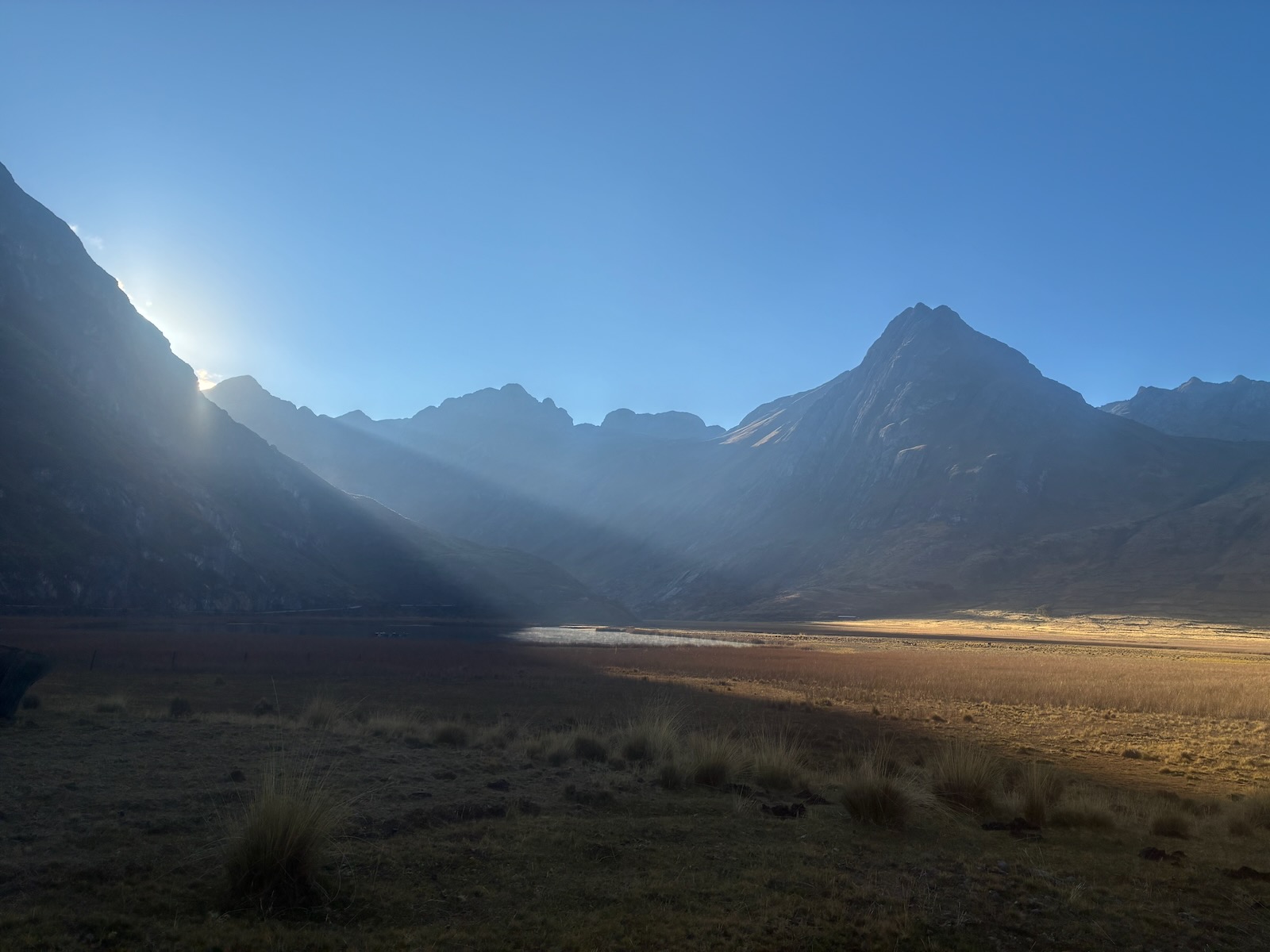
Recalling these days is a little painful. We knew we were doing the right thing, even though it was a hard decision to make. I still wasn’t feeling well, and I wasn’t in very good shape to continue such a demanding ride. Beyond that, I have family that lives in the Santa Cruz department of Bolivia, and going to meet them was always part of the plan. So we shifted our priorities. Three months in Perú and Bolivia might sound like a lot, but it fills up so fast. And despite our resolve in the decision to stop riding the Perú Great Divide, there was a mean voice in my head that said we “failed” or “bailed”. There’s also the disappointment of unmet expectations. We’d sincerely planned to ride to Huancavelica, a small town another 375 miles and countless mountain passes away from Oyón, and that’s a dream we’ve had to say goodbye to for now. We’re already talking about coming back to complete all the things we’ve left unfinished.
But what does “finish” mean, exactly? It sounds a lot like Finnish. Carlos and I built a Finnish sauna in our backyard that isn’t quite finished yet. There’s a list of small remaining sauna improvements: some trimming we’d like to do, perhaps some tiling behind the stove, a nice raised wooden floor, some steps to easily get up to the benches, a hand rail. But the minute it was in a usable state we put the power tools down and lit a fire in the stove to bask in the heat. It’s been an “unfinished” Finnish sauna for the last three years and we’ve been perfectly happy with it.
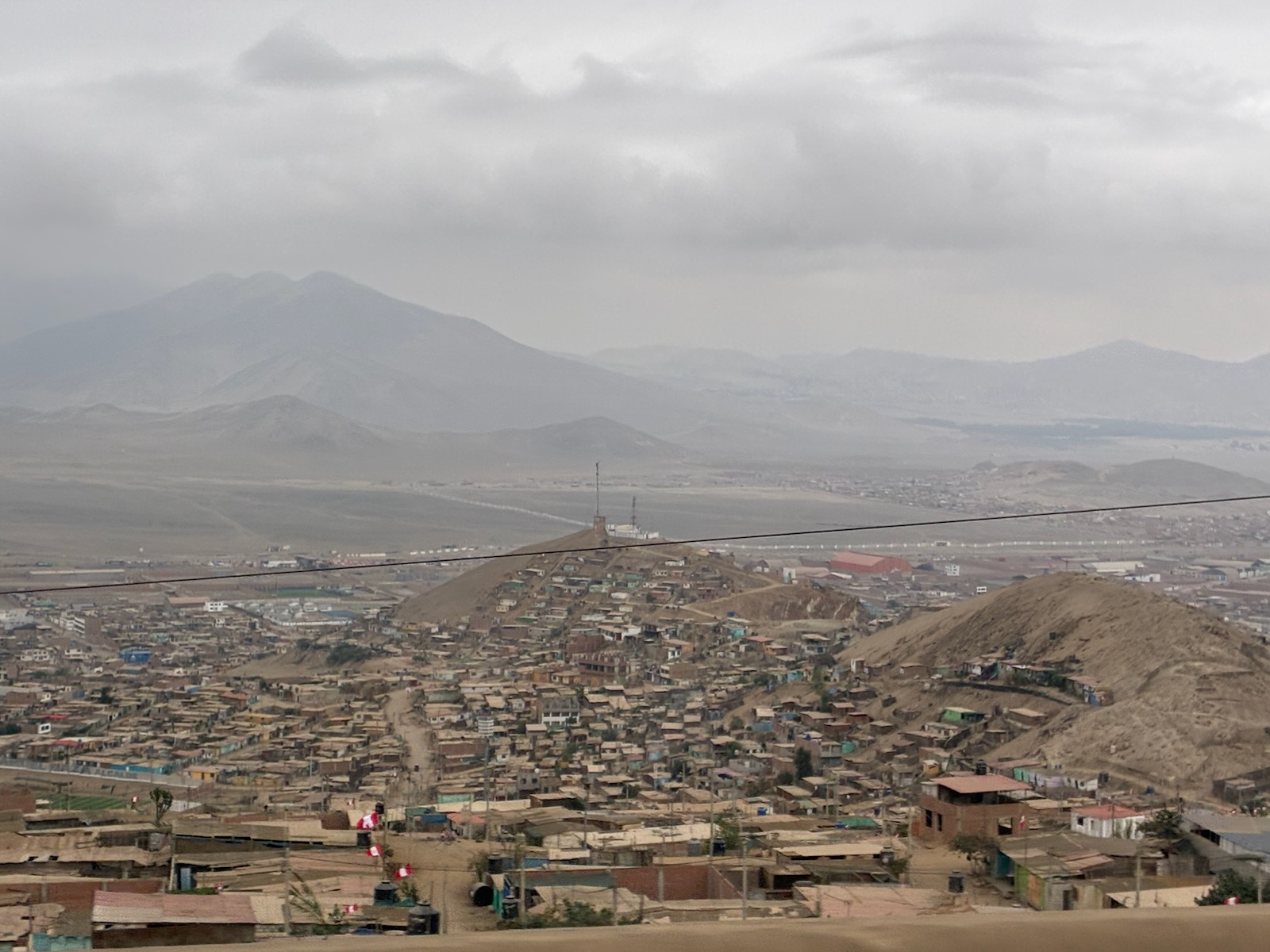
From Oyón to Churín to Lima the landscape changed dramatically. Cold-hardy, scrubby mountains plants changed into cacti and tall trees, changed into citrus and avocado farms, changed into grass barely rooted in sand dunes next to the Pacific Ocean. The Río Huaura gathered force and volume, and as we descended the mountains through the river valley on our bikes and later on a bus, we saw it siphoned off for more agricultural uses, we saw its river bed become wider as the mountains began to shrink away and the sky began to open. Along the coast, rolling sand dunes gave way to gravelly, sandy hills, covered in brick settlements, gravel roads crisscrossing endless neighborhoods, the dusty, sprawling outskirts of Lima.
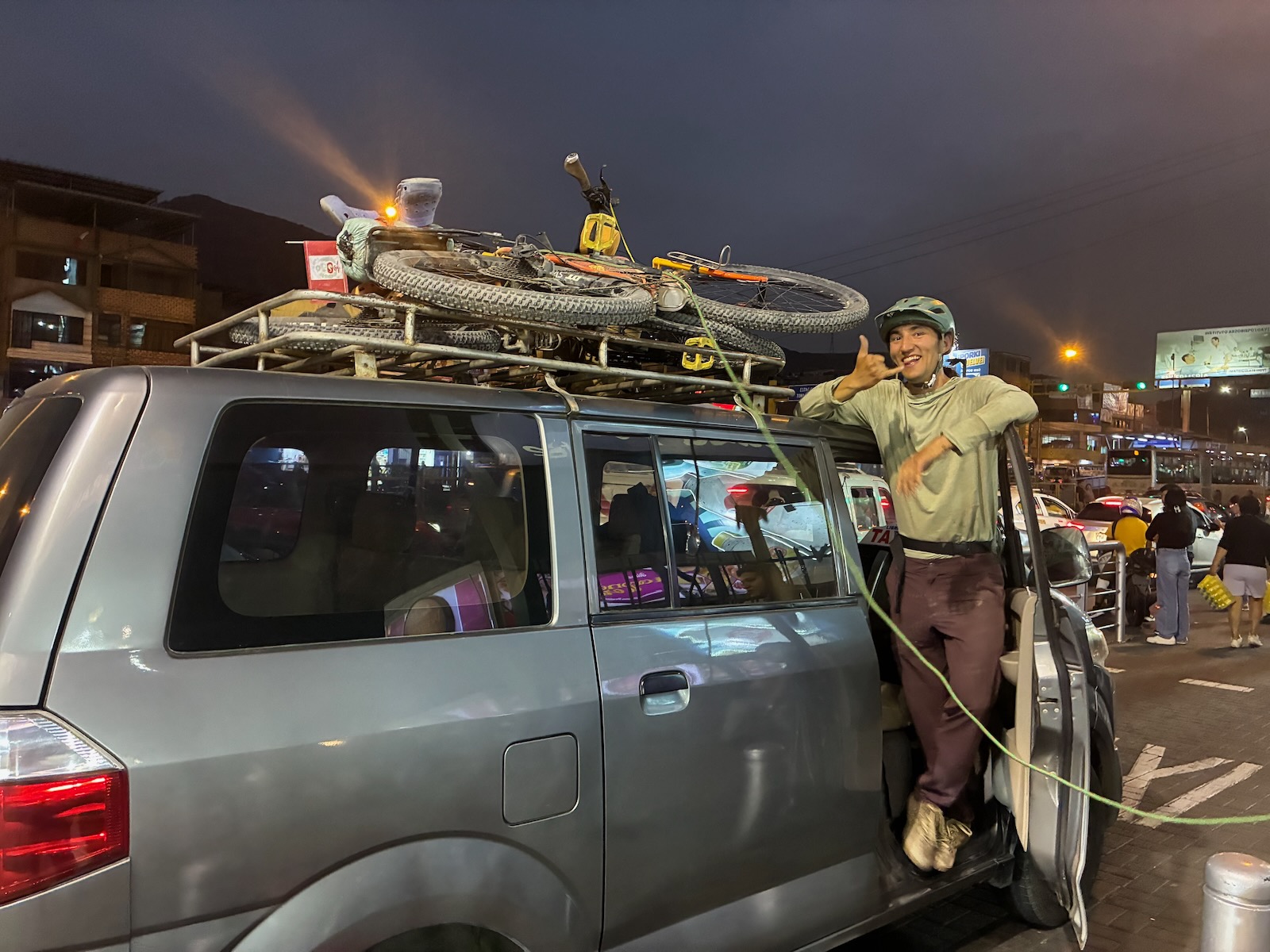
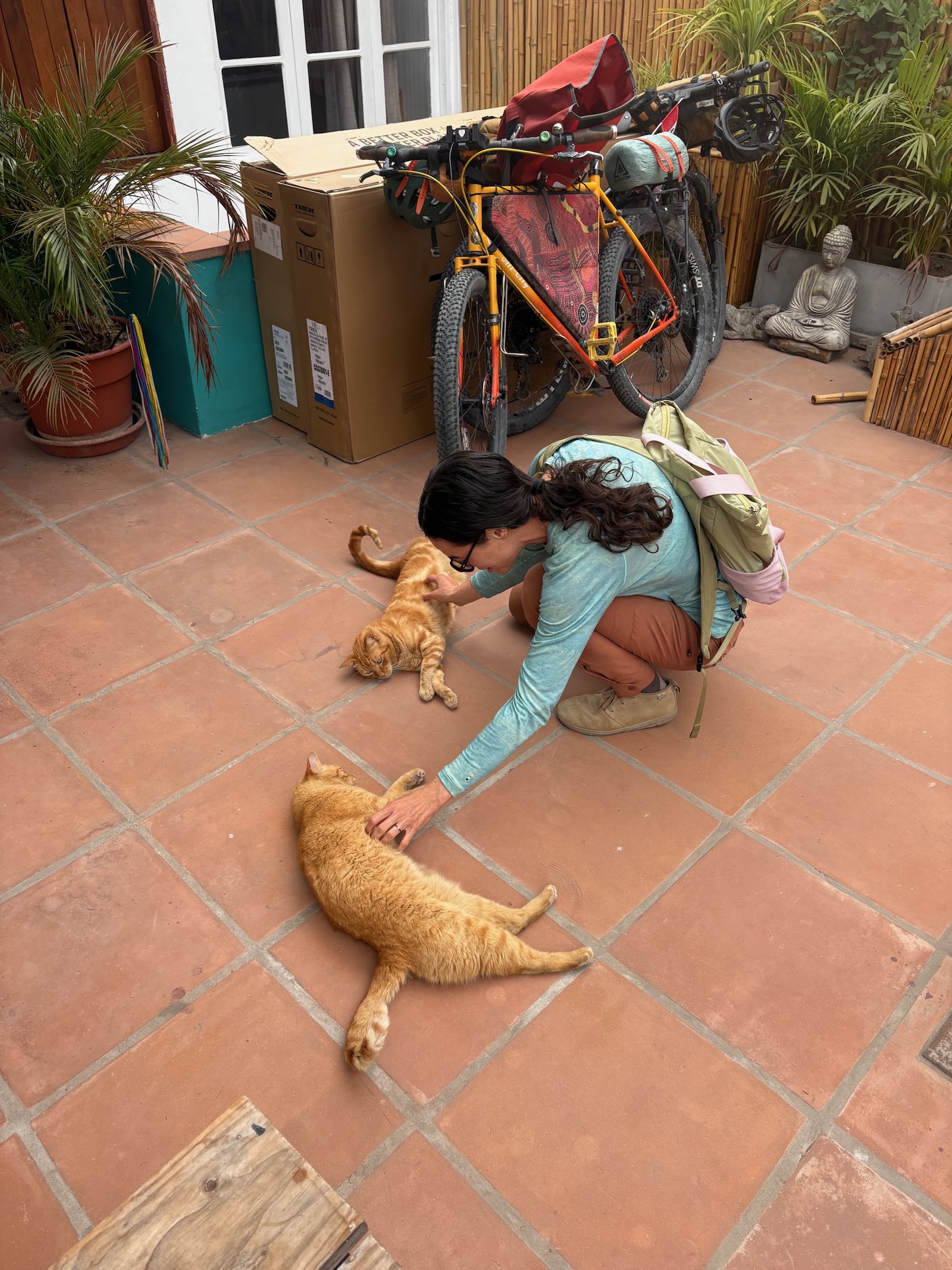
After a creative taxi ride, we arrived in Lima at Stephanie’s house again, the Airbnb host we befriended. She really is an angel who’s helped us a great deal. We spent about a week in Lima, regrouping, recovering from sickness and altitude (stairs became downright easy), and deciding what would come next. We left our bikes behind and flew to La Paz on August 2.
Bolivia is awesome. And it’s also sometimes a hilarious shit show. It was the first country ever on my bucket list, well before I knew what a bucket list was. Since I had the cognitive ability to understand travel, and that my mom was born there, I have wanted to visit Bolivia.
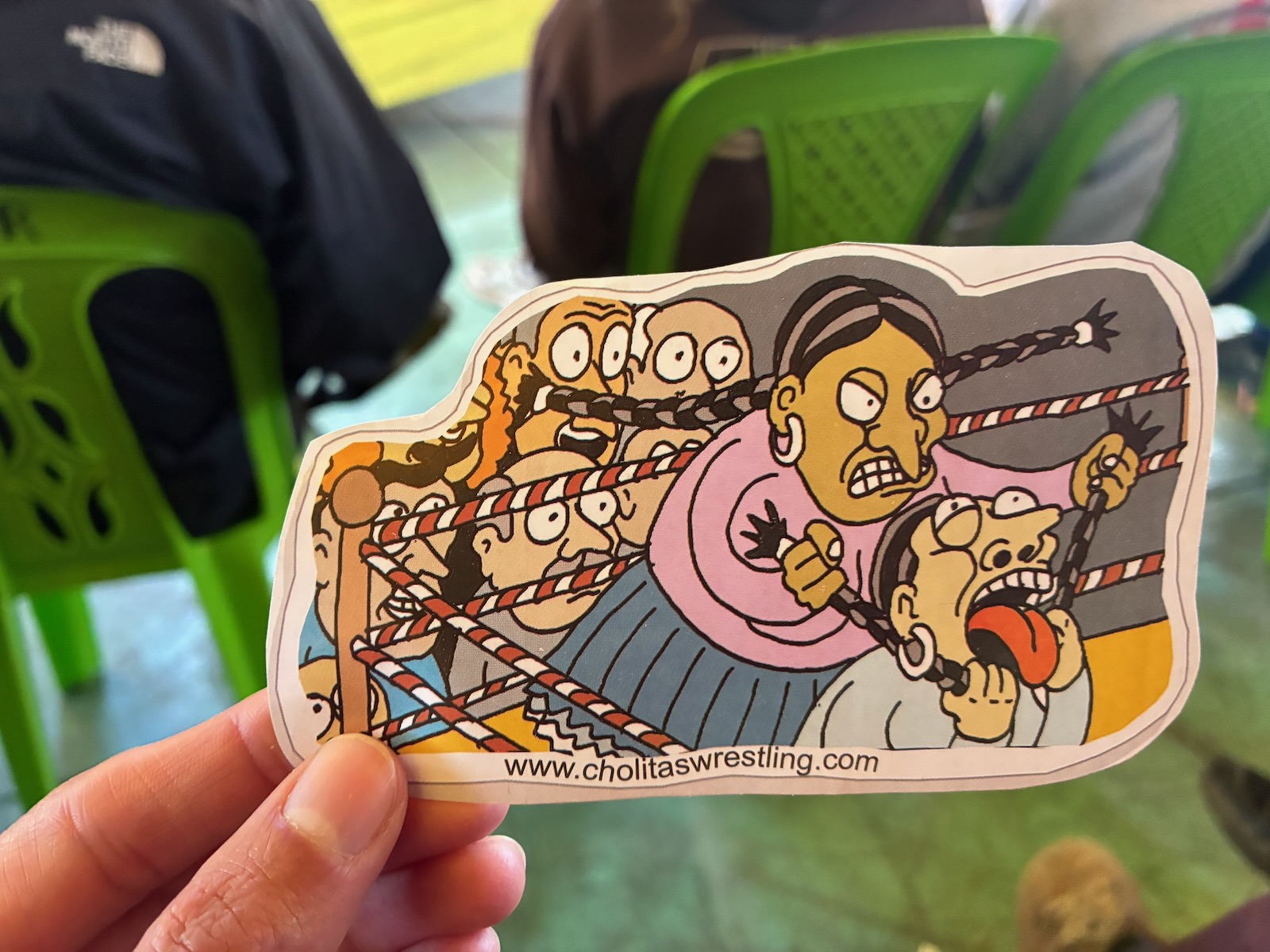
I write to you now from Sucre, the constitutional capital city of Bolivia. We’ve been in Bolivia about two weeks. We spent about a week total in La Paz (the administrative capital; it’s a long story), three days on la Isla del Sol in Lake Titicaca, two days in Potosí, and we will spend two days in Sucre. Tomorrow we’ll take a night bus to Santa Cruz or Samaipata, we’re not sure yet.
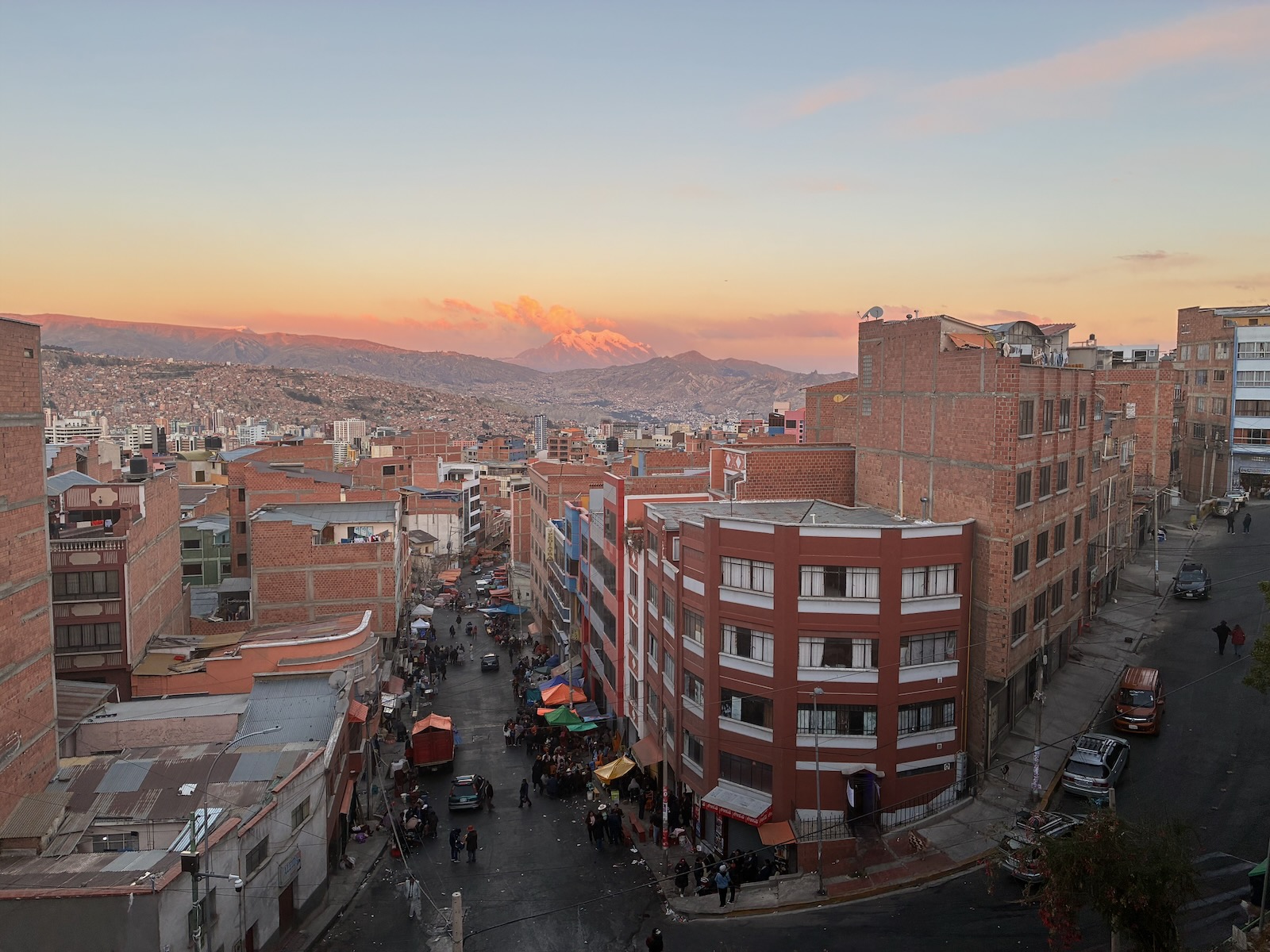
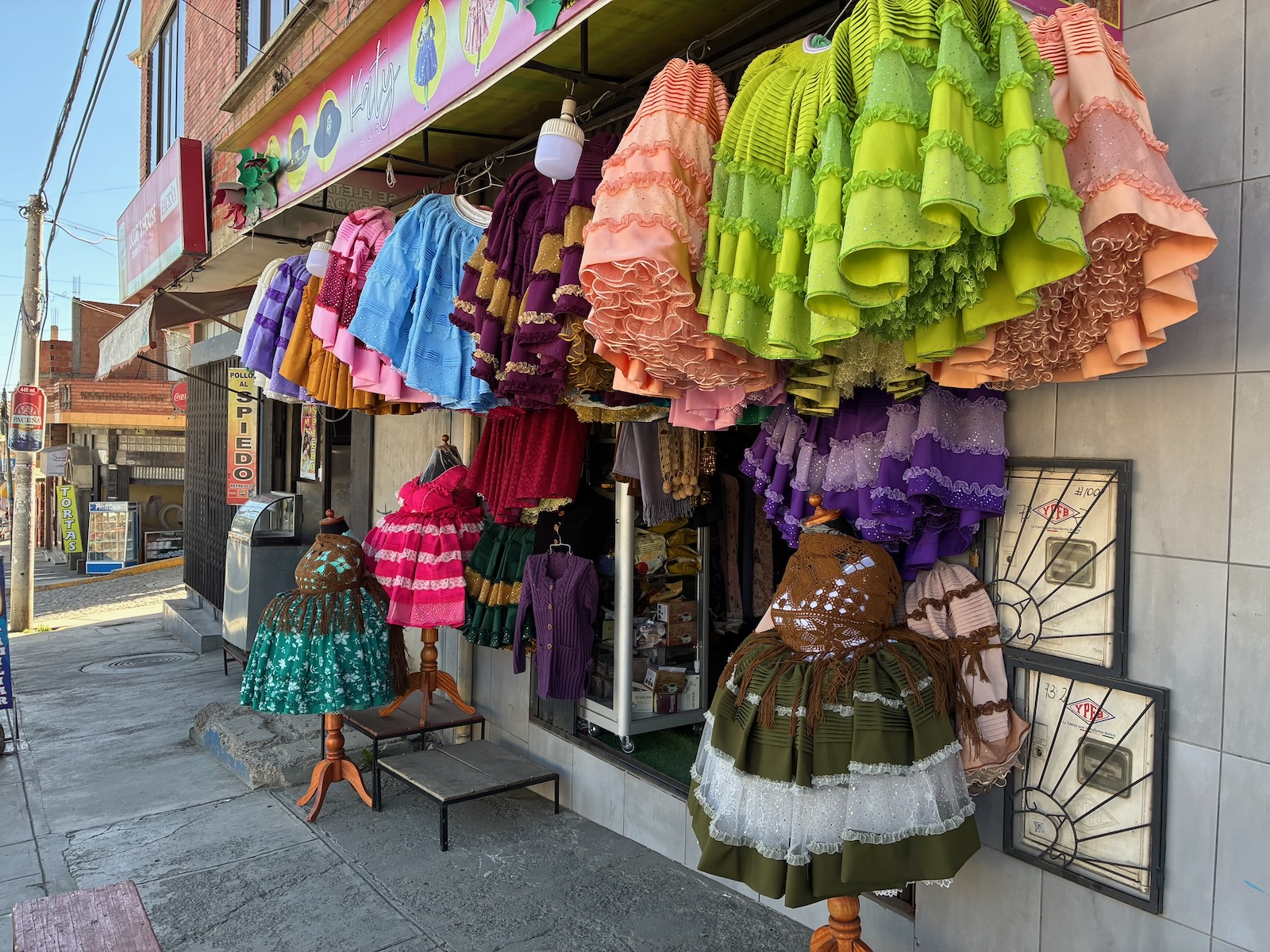
Maybe some day I’ll write to you about all of the adventures, but today I want to talk to you about fashion. Bolivia has style. The Cholita look for women, ubiquitous in the Andean highlands of Bolivia, is alive and well, with countless iterations. We even went to see Cholitas wrestling in the lucha libre style in La Paz. It was amazing. No joke, ask me and I’ll send you videos of pretty girls in elaborate skirts throwing themselves around a wrestling ring. The classic look includes a big, wide skirt to make the wearer look thick, a shawl, two long braids, jewelry, and of course, a hat. Bolivia’s hat game is so strong. Nobody wears hats like Andean Bolivians do. And we have seen people beautifully dressed up, men and women, every single day while we’ve been in Bolivia. Every single day we’ve been in Bolivia, with the exception of the time we spent on Isla del Sol, there has been a huge parade with a live marching band for some occasion.
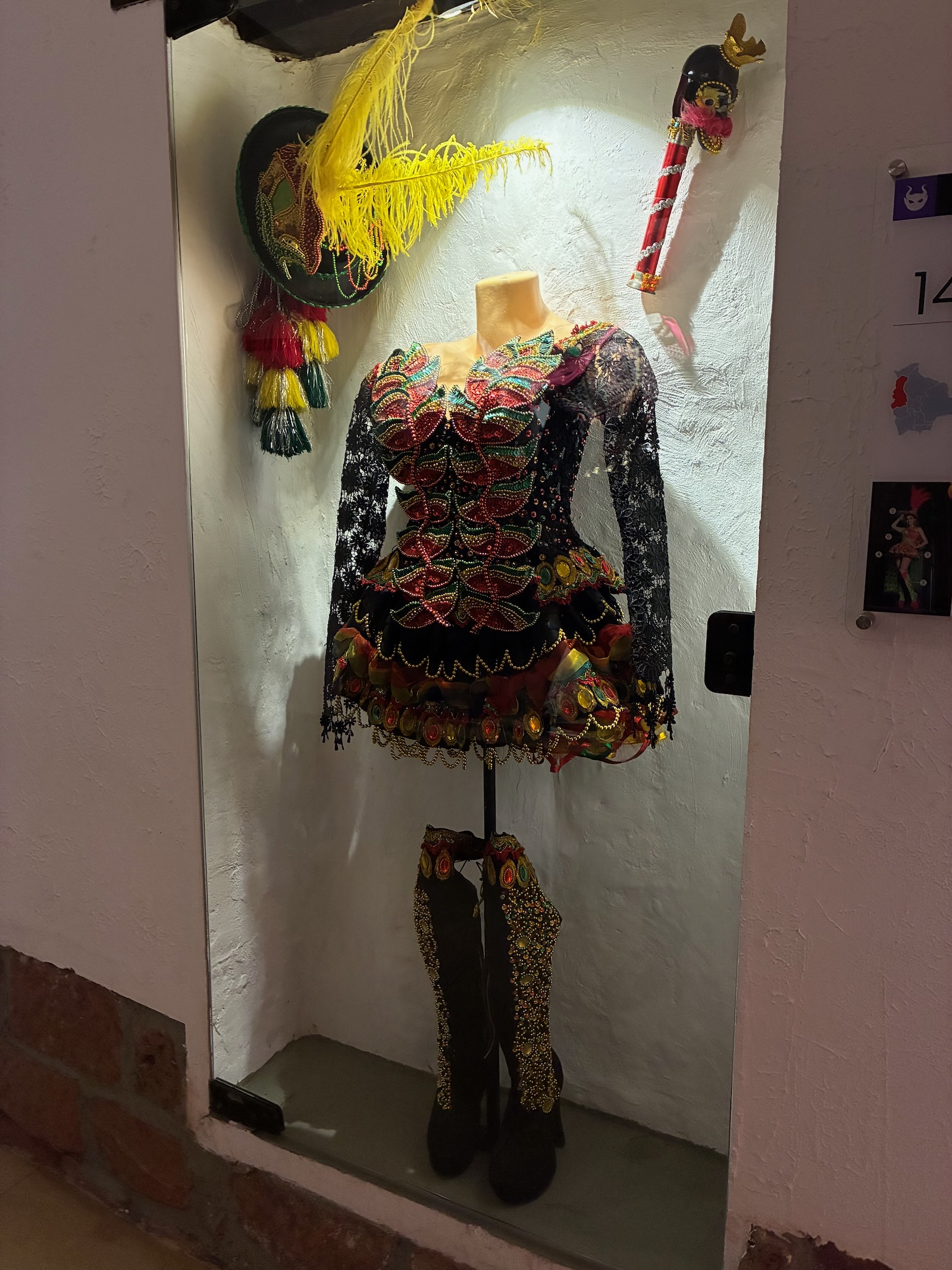
And nobody makes costumes like Bolivians do. Last night, Carlos and I went out for a date to see some folk dances at a local dinner theater in Sucre. There were ten dancers, all around 18 or 19 years old, and they performed fourteen different dances for us from all over the country, and I think we only just scratched the surface of Bolivia’s dance culture. The costumes were incredible. In some dances they were monsters, devils, angels, animals. In some dances they were slaves. In some dances they were slave drivers. In some dances they were priests. In most of the dances, they were young couples falling in love, overcoming obstacles or teasing each other. Bolivians will dance about anything and everything. Some dances reenacted wars with death scenes. Other dances were a cosmic battle between good and evil. Other dances were an offering back to Pachamama. Nothing is off limits. Every tragedy and every triumph is a dance. While we sort of saw these dances in “museum format”, these traditions are alive in the various regions of Boliva. It’s often a great honor and a huge financial commitment to dance in Bolivia’s parades and carnavals. People often begin preparing their costumes for these occasions a full year in advance, and honestly, it’s a wonder that people can make such elaborate costumes in such huge quanitities in such a short amount of time. As a local friend said, “these aren’t costumes, these are art. These are vestments.” I’ll leave you with photos of only some of the folk dance costumes of Bolivia, and some very very reduced and basic comments about the costumes and/or dance above each photo.
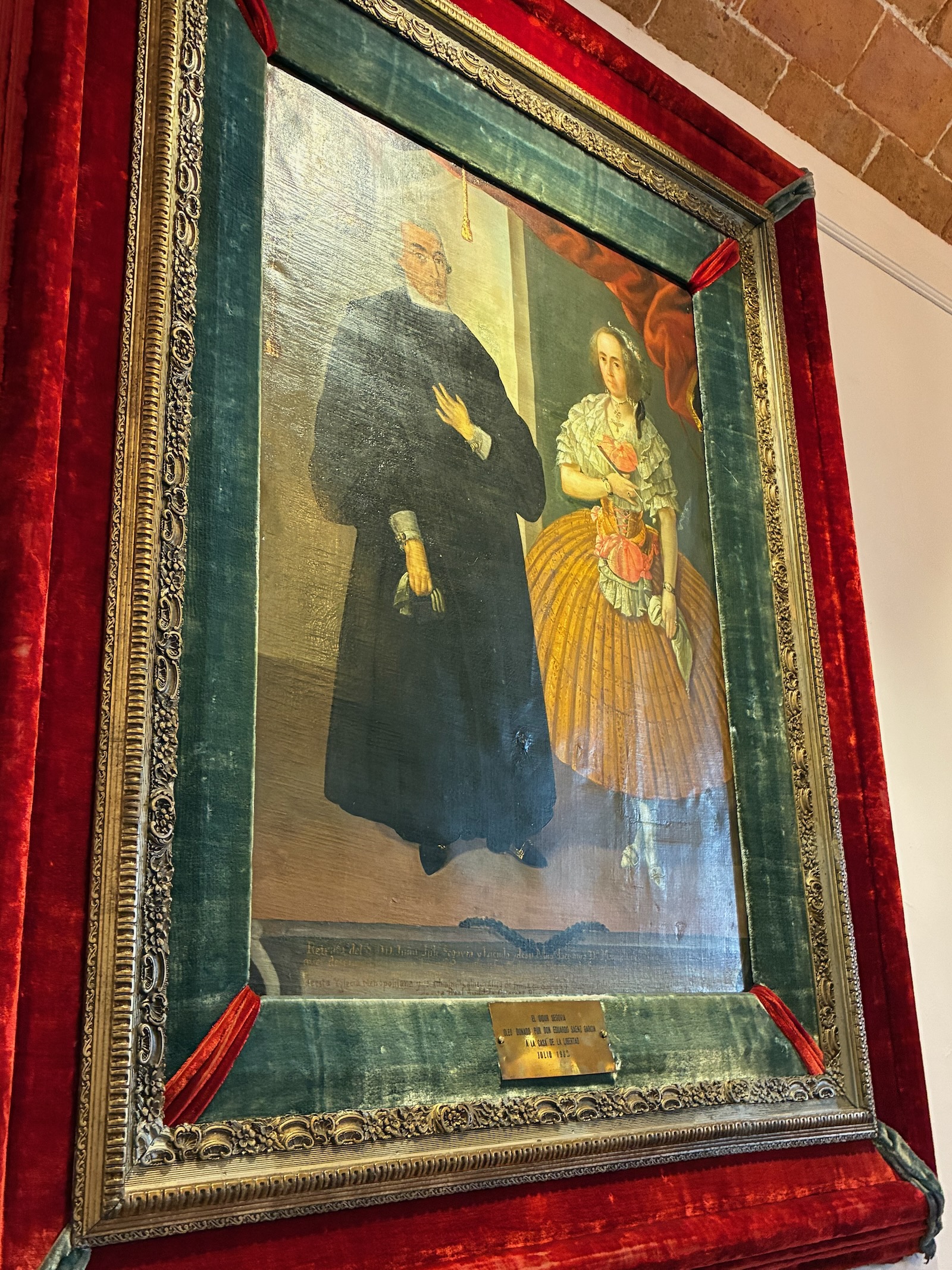
Here is a bad picture of a beautiful painting of the original Cholita look, a colonial style for elite Spanish women in the 1800s. Later appropriated by indigenous women, and now a firmly Bolivian style.
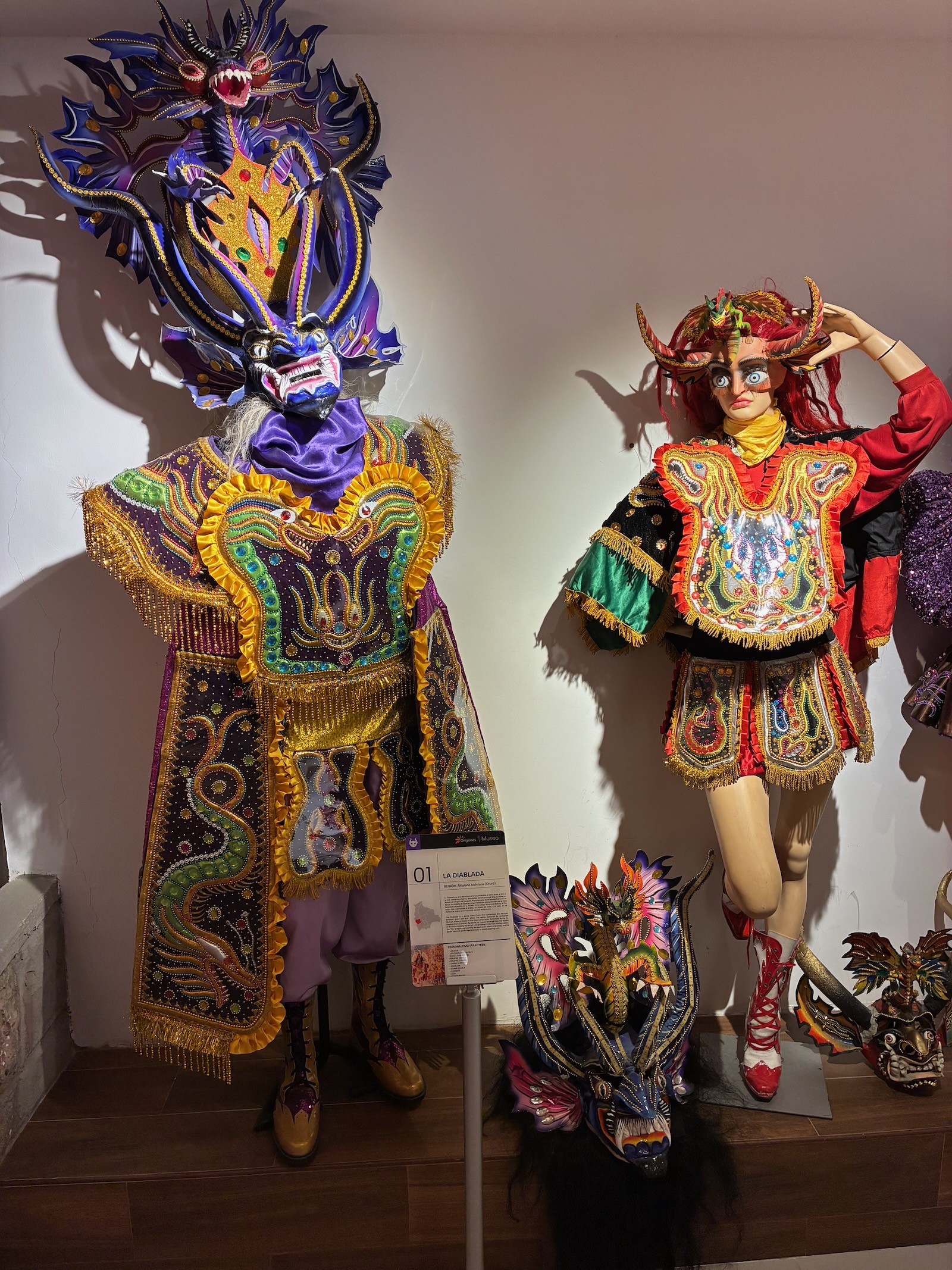
Costumes for La Diablada, a famous dance from Oruro, symbolizing the battle between good and evil, between Satan and Archangel Michael.
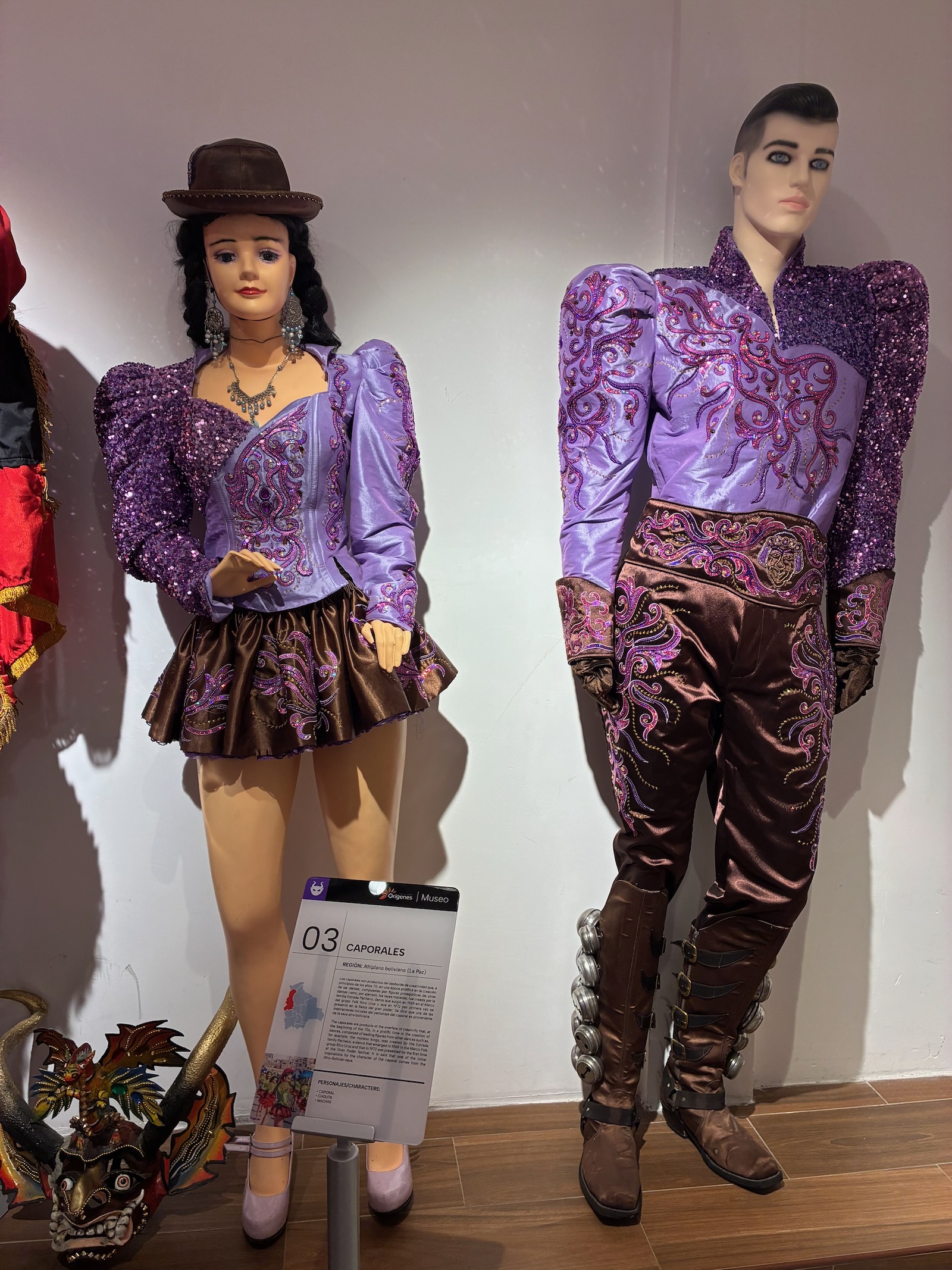
Caporal costumes, from La Paz. In Spanish caporal means slave driver.
La Morenada costumes. In this pair, the man is dressed up as an African slave, eyes and lips swollen from altitude sickness. Many African slaves brought to work the mines in Potosí suffered and died due to the the high altitude, and were later replaced by indigenous slaves.
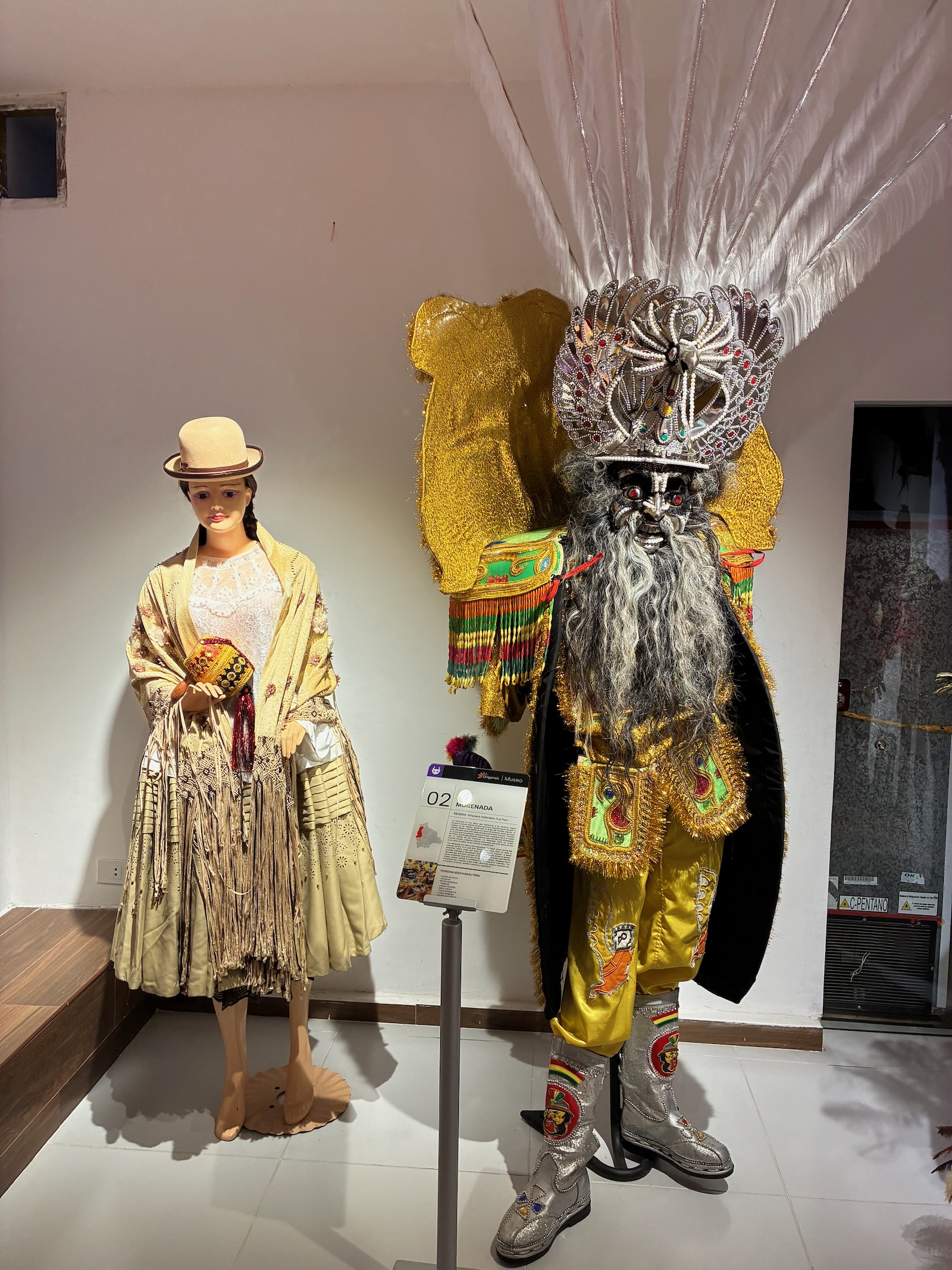
Tobas costumes, from Oruro. This dance combines movie caricatures of North American native cultures, along with the Tobas warrior culture of the Chaco region of Bolivia, and priests. It’s a long and complicated story.
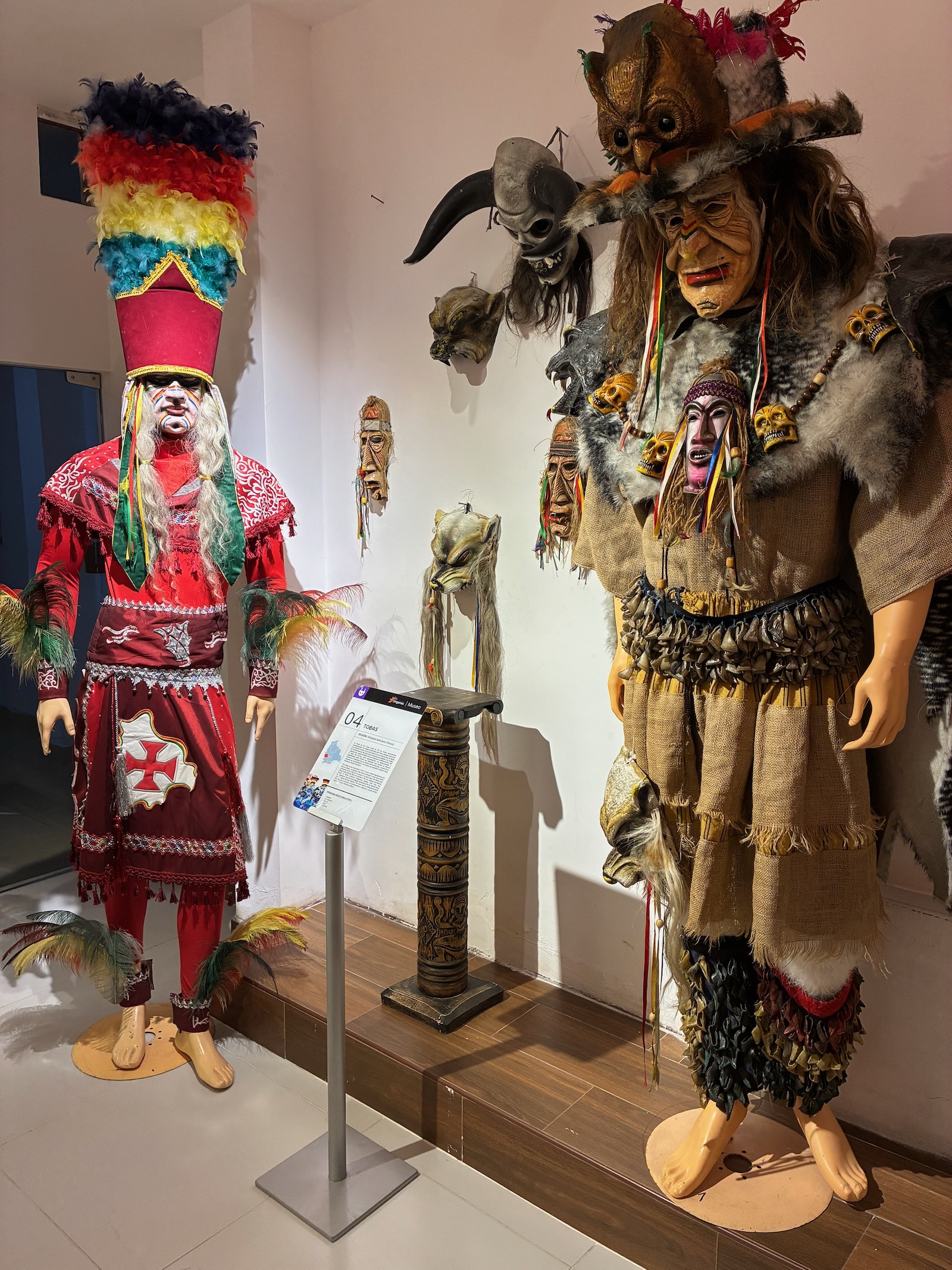
Dress from the Chaco region
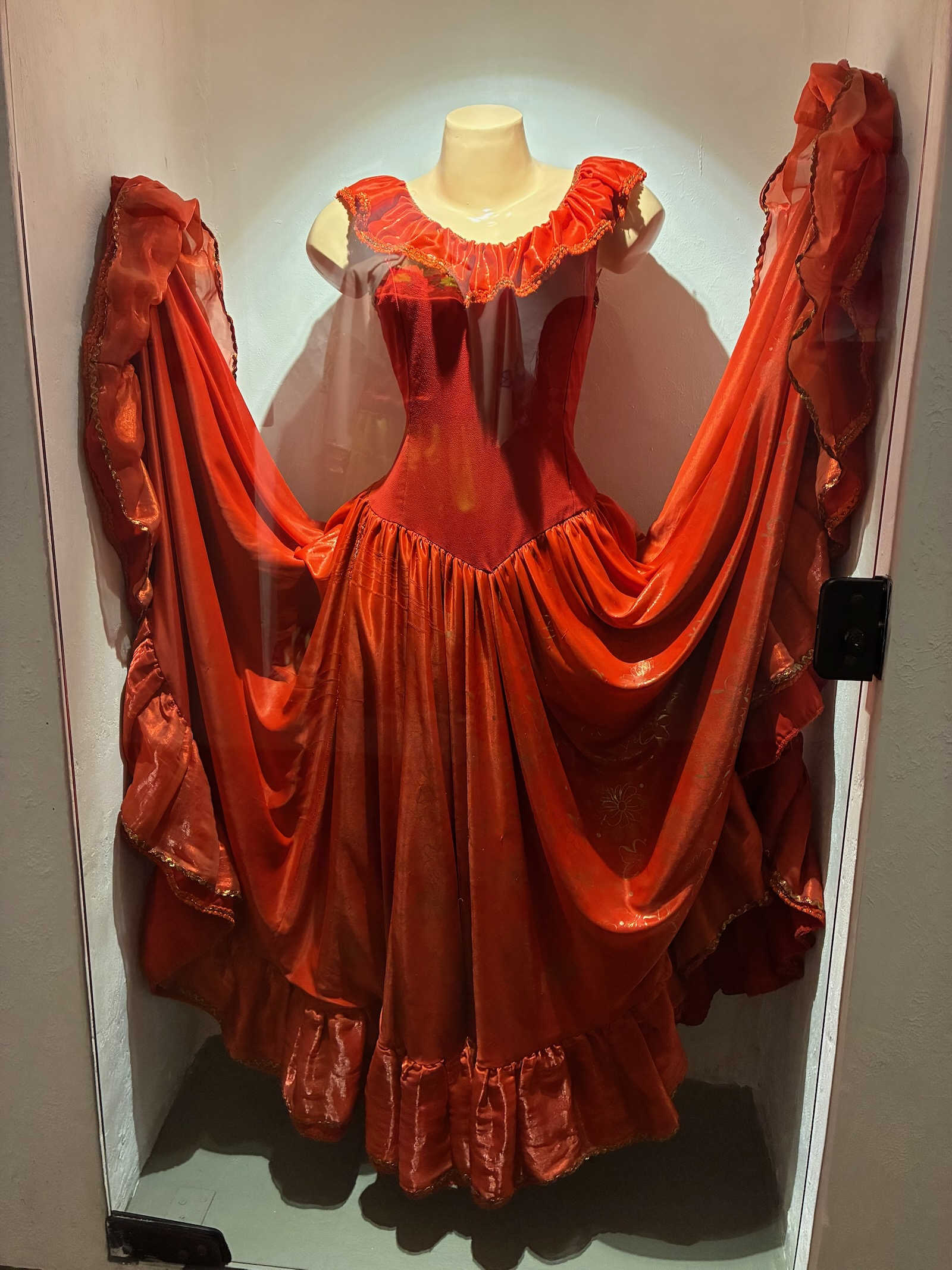
Ñaupa dress from La Diablada dance
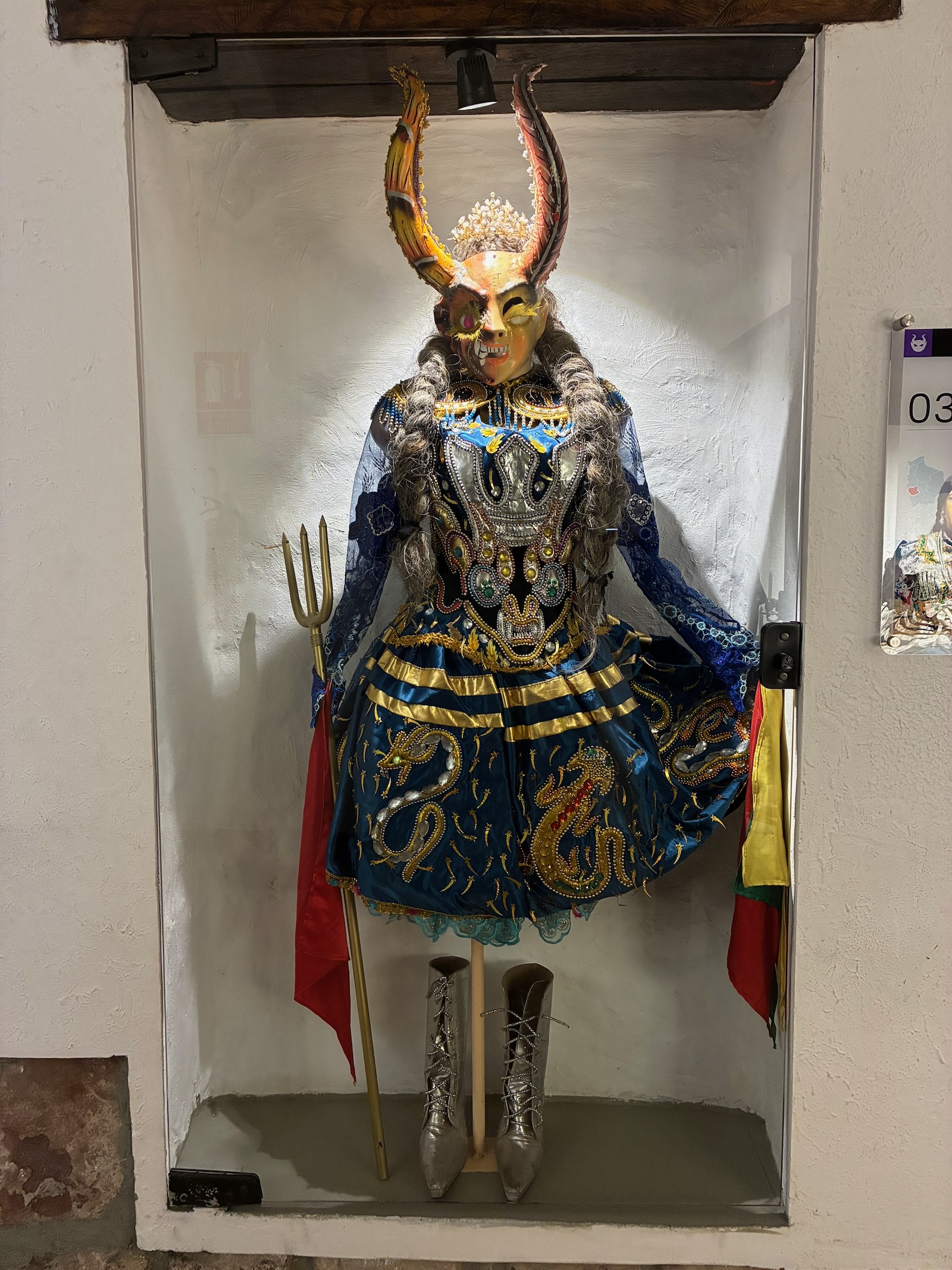
Atiku dress, from the Guaraní presence in Santa Cruz, Tarija, and Chuquisaca.
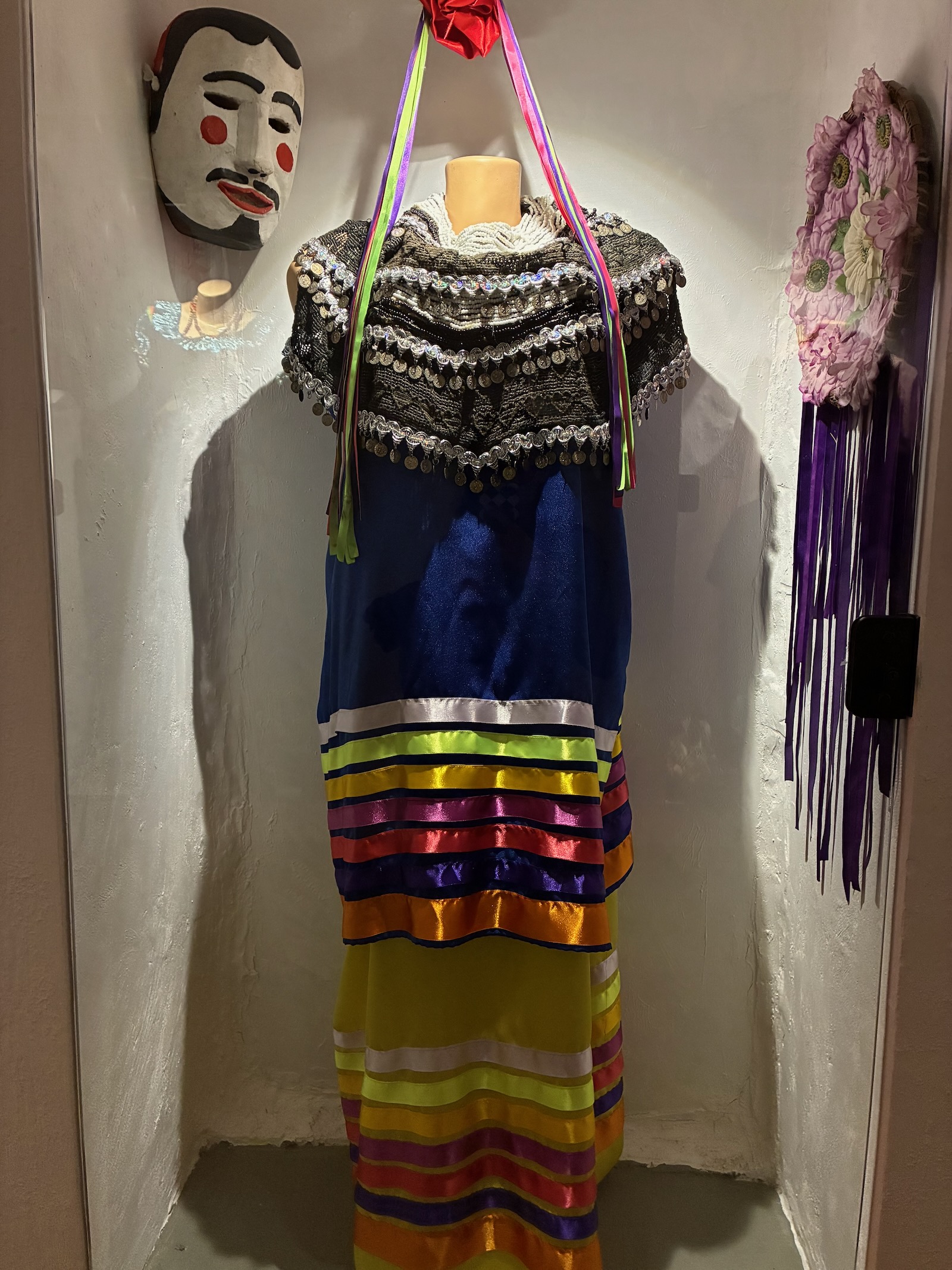
China Morena dress from La Paz, typically the feared caporal's wife, lover, or sister.